

 English
 русский
 Español
How Does CNC Stainless Steel Parts Improve Production Accuracy
Manufacturing often involves parts that need to fit together without much repeated adjustment along the way. A slight difference in size may affect assembly, slow down later operations, or create extra inspection work down the line. For that reason, accuracy tends to be closely tied to daily production rather than treated as some separate target off to the side.
Many products contain several machined components working together. Every piece is expected to match the original design reasonably closely so installation stays fairly straightforward. When dimensions stay within the expected range from one production run to another, assembly becomes more predictable and unnecessary corrections tend to drop off.
Accuracy also shapes how production gets organized. Stable machining lets later processes follow a planned sequence instead of stopping repeatedly for fitting or modification. That kind of consistency supports a smoother workflow across different manufacturing stages.
A few common production goals worth noting:
- Maintaining similar dimensions throughout repeated machining
- Reducing fitting work during assembly
- Keeping product appearance consistent
- Supporting stable inspection results
As product structures keep changing, machining requirements tend to get more detailed too. Components may include narrow grooves, curved edges, threaded areas, or mounting features that need careful control throughout processing. CNC Stainless Steel Parts show up widely in these situations because programmed machining follows a defined tool path instead of relying entirely on manual operation.
Another reason accuracy draws attention has to do with product interchangeability. Parts produced at different times still need to fit the same assembly without extra modification. Stable machining makes replacement, maintenance, and later production runs easier to manage overall.
How Are CNC Stainless Steel Parts Manufactured
Production usually starts with stainless steel stock prepared to the required dimensions. Before machining begins, the workpiece gets fixed in position so movement stays controlled throughout each operation. Careful preparation at this stage often shapes everything that follows afterward.
Machining removes material gradually rather than shaping the entire component in one single step. Different surfaces get completed according to a planned sequence until the required form slowly comes together.
A typical workflow often runs through:
- Material preparation
- Workpiece positioning
- Machining according to programmed instructions
- Dimensional inspection
- Surface cleaning before the next process
Each operation carries its own purpose. Some remove larger amounts of material, while others refine edges, openings, or connecting surfaces. Organizing the sequence with some care helps avoid unnecessary repositioning and keeps reference surfaces consistent throughout production.
Unlike manual processing, programmed machining follows the same movement pattern each time the program runs. That repeatability lets similar components get produced with fewer variations between production batches.
Process planning deserves attention too. Removing too much material in one operation may affect surface condition, while an unsuitable machining order may call for extra corrections later on. A balanced production plan tends to help maintain both machining quality and workshop efficiency together.
Different products naturally call for different machining routes. A simple support component may only need a few operations, whereas a structural part containing several features may require additional machining stages before it's finished.
What Factors Help Improve Machining Accuracy
Accurate machining depends on a lot of small details working together rather than any single factor on its own. Machine condition, fixture stability, cutting sequence, and inspection methods all shape the finished component. Looking at just one stage rarely gives the full picture.
Holding the workpiece firmly is one important step in the process. Even slight movement during machining may affect hole positions, edge dimensions, or surface alignment. Reliable clamping helps keep the machining path consistent from start to finish.
Machining order shapes the final result too. Some surfaces provide reference points for later operations, which makes sequence a fairly important part of production planning. Completing features in a logical order often cuts down on repeated positioning.
A few practical points worth regular attention:
- Stable fixture arrangement
- Reasonable machining sequence
- Routine equipment inspection
- Careful dimensional checking
- Consistent production planning
Surface condition often reflects how steadily machining has been carried out. Smooth transitions, clean edges, and uniform finishes usually point to a process that stayed under control throughout production.
| Production Aspect | Why It Matters | Production Benefit |
|---|---|---|
| Fixture stability | Holds the workpiece securely | Helps maintain dimensional consistency |
| Machining sequence | Organizes processing steps | Reduces repeated adjustments |
| Equipment condition | Supports steady machine movement | Improves production consistency |
| Dimensional inspection | Confirms machining results | Helps identify variation early |
| Process planning | Coordinates each operation | Creates a smoother workflow |
Preparation before machining often shapes the final outcome about as much as the cutting process itself. Careful setup reduces unnecessary changes later and supports more consistent production over time.
Why Does Material Selection Affect Machining Performance
Material choice influences every machining operation in some way. Different metals respond differently as material gets removed, which makes production planning fairly closely tied to the properties of the workpiece itself.
Stainless steel gets used widely in industrial manufacturing because it suits a fairly broad range of applications. During machining, though, the material still needs a suitable processing approach to maintain dimensional consistency and surface quality throughout.
Material stability affects how the workpiece behaves throughout production. Cutting force, heat generated during machining, and the order of operations may all influence the finished component in different ways. A carefully arranged process helps reduce unnecessary variation while keeping production reasonably steady.
A few material-related considerations commonly get reviewed before machining begins:
- Surface condition before processing
- Material behavior during cutting
- Compatibility with the planned machining process
- Functional requirements of the finished component
CNC Stainless Steel Parts turn up in machinery, construction, industrial equipment, and hardware products where dimensional consistency matters. Different applications naturally call for different machining strategies, which makes process planning a fairly essential part of production.
Material selection also shapes later manufacturing stages down the line. Assembly, inspection, surface treatment, and product installation all tend to go more smoothly when the machining process starts out with material suited to the intended application.
How Do CNC Stainless Steel Parts Support Different Industrial Applications
Manufacturing requirements tend to vary quite a bit from one industry to another, yet one expectation stays fairly consistent throughout. Parts need to match the intended design and fit into larger assemblies without creating unnecessary adjustment work along the way. Stable machining makes that goal easier to reach across a fairly wide range of applications.
Machined stainless steel components show up in production equipment, structural assemblies, transportation hardware, building systems, and plenty of custom products beyond that. Every application places different demands on size, shape, and surface condition, which makes careful machining a fairly important part of the manufacturing process.
Some products contain simple flat surfaces, while others include mounting holes, curved profiles, connecting edges, or internal features. A planned machining process lets each detail get completed in the required order while keeping dimensions under control throughout.
A few application areas commonly rely on accurately machined components:
- Industrial machinery
- Construction hardware
- Equipment frames and supports
- Custom metal fabrications
- Assembly components with matching parts
Accurate machining also helps simplify later production stages down the line. Components that arrive with consistent dimensions often need less fitting during installation, which lets assembly work follow a more organized process overall.
Another benefit comes from product compatibility. When replacement parts get produced using the same machining program, they tend to fit existing assemblies without much additional modification. That kind of consistency supports long-term manufacturing and maintenance activities alike.
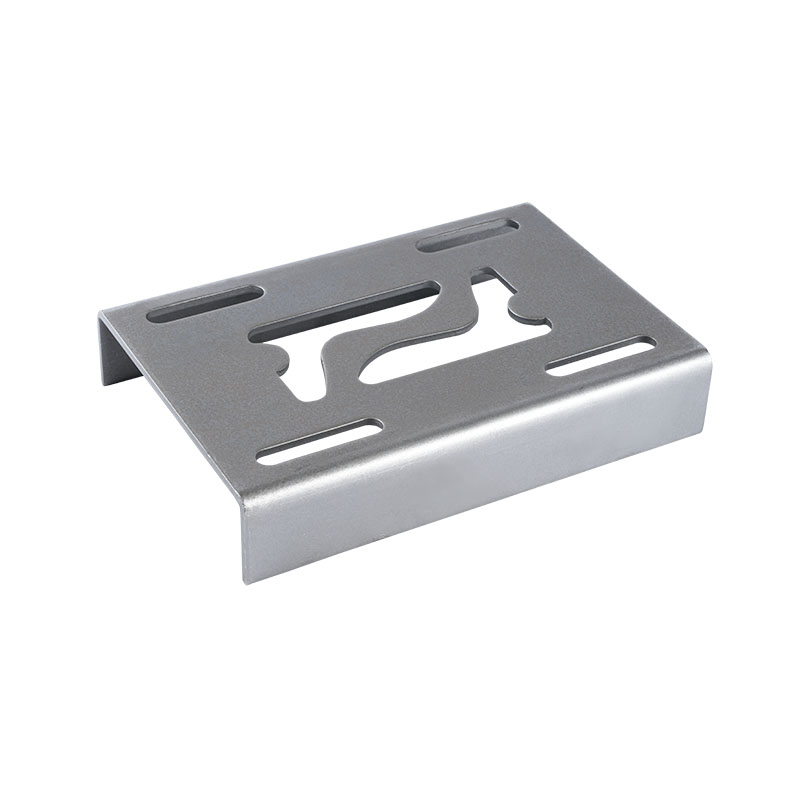
How Can Iron Pipe Hooks Benefit From Accurate CNC Machining
Although iron pipe hooks may look like fairly simple hardware products on the surface, their performance often depends on consistent dimensions and reliable manufacturing underneath. Small differences in hole position, bending location, or mounting surfaces can affect installation and everyday use more than people might expect.
Accurate machining helps maintain uniform dimensions before later fabrication or assembly steps take place. Components prepared with consistent sizes tend to be easier to combine with matching hardware and supporting structures.
A few practical advantages come from careful machining:
- More consistent mounting positions
- Better alignment with connecting parts
- Reduced adjustment during installation
- More uniform product appearance
For hardware products made in repeated batches, dimensional consistency tends to matter about as much as material selection. Similar measurements let different pieces fit together without repeated correction during assembly.
Iron pipe hooks also turn up in different installation environments. Depending on the design, some may become part of storage systems, support structures, or industrial fixtures. Stable machining provides a fairly solid foundation before finishing and installation get completed.
Production planning plays an important role here too. Careful sequencing of machining operations helps maintain reference surfaces throughout processing, which cuts down on unnecessary variation between finished parts.
What Should Be Considered During CNC Machining Production
A workable machining process depends on preparation well before cutting even begins. Planning each stage carefully tends to reduce interruptions later in production.
Workpiece positioning deserves attention because it influences every operation that follows. A stable fixture helps keep the component in the intended position while material gets removed from different directions.
Machining order should match the structure of the product too. Some features provide reference points for later operations, which makes sequence a fairly important part of dimensional control.
| Production Stage | Practical Purpose |
|---|---|
| Material preparation | Creates a stable starting condition |
| Fixture arrangement | Keeps the workpiece secure |
| Machining sequence | Maintains logical processing order |
| Dimensional inspection | Confirms machining consistency |
| Equipment maintenance | Supports stable operation over time |
Routine inspection stays part of everyday production rather than showing up only at the final stage. Checking dimensions throughout machining lets small changes get identified before they affect later operations.
Equipment condition shouldn't get overlooked either. Stable machine movement, clean working areas, and regular maintenance all contribute to a more predictable production process overall.
Careful planning often reduces unnecessary handling between operations. Fewer repeated adjustments help maintain dimensional consistency while making production easier to organize day to day.
How Is CNC Machining Adapting to Changing Manufacturing Needs
Product designs keep becoming more varied over time. Manufacturers are producing components with different shapes, mounting methods, and functional features, which creates new requirements for machining processes to work through.
Instead of relying on one production method for every component, workshops often arrange machining plans according to product structure and manufacturing requirements. Flexible programming makes it possible to adapt machining paths to different designs without changing the overall production approach each time.
Attention also seems to be shifting toward practical production management. Better organization of machining operations, improved fixture arrangements, and more efficient inspection methods all support fairly consistent manufacturing.
A few development directions show up across machining workshops:
- Greater flexibility for different product designs
- Simpler adjustment between production tasks
- Better coordination between machining and inspection
- Improved compatibility with custom manufacturing
Changing production requirements tend to encourage ongoing improvement in machining methods. Small adjustments to planning, equipment use, and production flow often contribute to more stable manufacturing over time.
Why Does Machining Accuracy Matter Throughout Production
Accuracy influences a lot more than just the finished dimensions of a component. Every stage of manufacturing, from preparation through to assembly, tends to benefit when parts get produced consistently.
CNC Stainless Steel Parts support practical manufacturing by letting programmed machining paths stay stable throughout repeated production runs. Careful planning, suitable material selection, reliable fixtures, and regular inspection all contribute to that outcome.
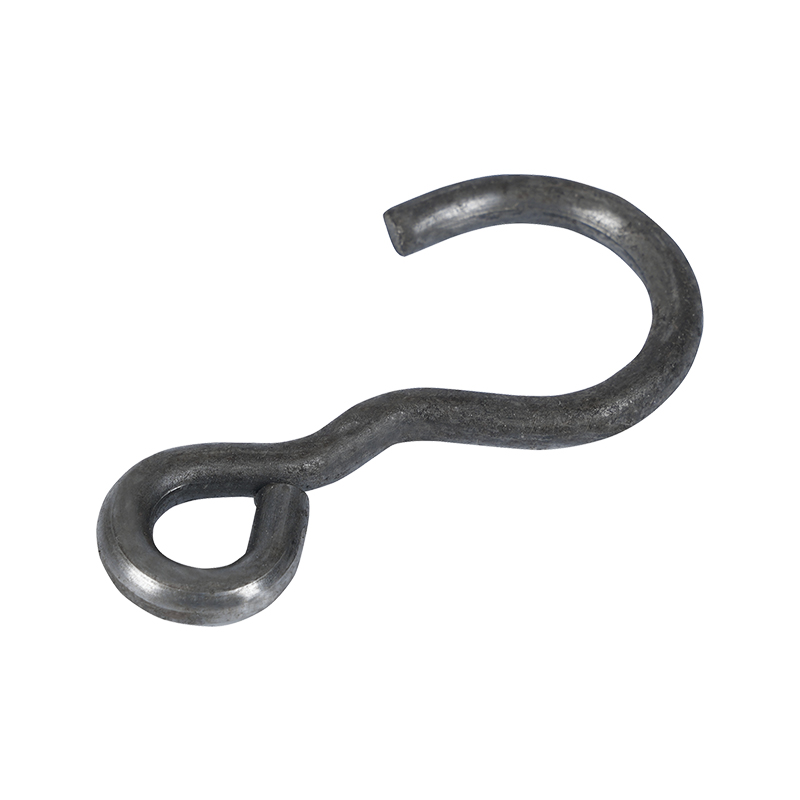
Products such as iron pipe hooks show how even fairly simple hardware benefits from controlled machining. Consistent dimensions make assembly easier, reduce unnecessary adjustments, and support smoother production across different applications.
As manufacturing requirements keep evolving, attention tends to stay focused on practical engineering solutions. Well-planned machining processes help create components that fit reliably, support efficient assembly, and adapt to a fairly wide variety of industrial uses without adding unnecessary complexity along the way.

 Yongkang Ruizan Industry and Trade Co., Ltd.
A company specializing in metal stamping and mold design and manufacturing.


- Phone: +86-18072455799
- Email: [email protected]
- Address: No. 23, Qilong Road, Natural Village, Zhiying Town, Yongkang City, Jinhua City, Zhejiang Province, China
Copyright © Yongkang Ruizan Industry and Trade Co., Ltd. All Rights Reserved.

Custom Stamping Sheet Metal Hardware Machining Factory