

 English
 русский
 Español
Streamlining Production with Metal Pipe Manufacturing Processes
The Importance of Metal Pipe Products
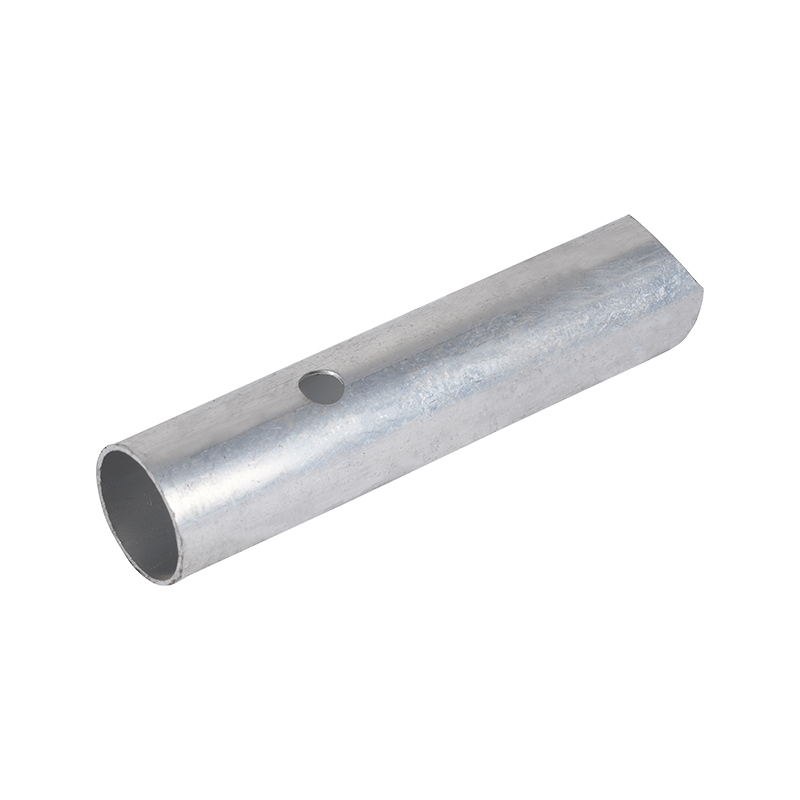
Metal pipe products play a critical role across many industries, from construction and plumbing to oil and gas and automotive applications. These products are essential for transporting fluids, gases, and materials in both residential and industrial settings. The manufacturing process for metal pipes involves a series of intricate steps to ensure quality, strength, and durability. Processing and manufacturing of metal pipe products require advanced technology and highly specialized techniques to meet the specific needs of each industry.
What Is the Process of Manufacturing Metal Pipe Products?
Processing manufacturing of metal pipe products involves several stages, including material selection, shaping, welding, and finishing. The process begins with the selection of raw materials, which are often steel, aluminum, or copper, depending on the application. These materials are then processed into the desired shape and size through various techniques, such as extrusion, rotary piercing, and drawing.
Once the raw metal is shaped into the appropriate dimensions, the next step involves welding or joining the metal pieces together, if necessary. Metal pipe products can be welded through different methods, such as electric resistance welding (ERW) or submerged arc welding (SAW), depending on the type of pipe being produced.
Finally, the pipes undergo finishing processes such as cleaning, coating, and testing. These steps ensure that the pipes meet industry standards for durability, corrosion resistance, and structural integrity.
Key Stages in Metal Pipe Manufacturing
Material Selection
The stage of processing and manufacturing of metal pipe products involves choosing the right material. Different industries have unique requirements based on the type of fluids or gases being transported, as well as environmental conditions such as pressure, temperature, and corrosion risk. For example, stainless steel is often used for applications in corrosive environments, while aluminum might be selected for its lightweight properties in aerospace or automotive industries.
Shaping and Forming
Once the material is selected, it undergoes shaping through extrusion, rotary piercing, or cold drawing processes. In extrusion, metal is forced through a mold to create a hollow pipe. In rotary piercing, a rotating tool is used to form a hole in the metal, which is then drawn into a pipe shape. Cold drawing is used to further refine the dimensions and smoothness of the pipe.
Welding and Joining
For some metal pipe products, welding is necessary to join sections of the pipe or to attach fittings. Electric resistance welding (ERW) is one of the common methods used for manufacturing pipes. It uses high-frequency electrical current to heat the edges of the metal and then weld them together under pressure. Another method, submerged arc welding (SAW), is commonly used for producing large-diameter pipes used in the oil and gas industry.
Finishing and Quality Control
Once the metal pipes are formed, they undergo finishing processes such as coating or painting to enhance their resistance to corrosion and wear. The pipes are also subjected to a series of tests to ensure they meet the required standards for strength, pressure resistance, and other performance metrics. These tests include hydrostatic tests, ultrasonic testing, and visual inspections.
Benefits of Advanced Metal Pipe Manufacturing
Precision and Durability
One of the significant advantages of the processing and manufacturing of metal pipe products is the ability to produce high-quality, durable pipes. These pipes must withstand pressures, temperatures, and environments, especially in industries like oil and gas, chemical processing, and construction. The precision involved in the manufacturing process ensures that the pipes perform reliably over time.
Customization for Specific Applications
Another benefit of modern metal pipe manufacturing is the ability to produce custom pipes for specific applications. Whether it’s creating pipes with unique dimensions or special coatings to prevent corrosion, manufacturers can tailor the production process to meet the exact needs of their clients. This is especially valuable for industries that require specialized pipe products, such as in aerospace or medical fields.
Cost-Effectiveness in Mass Production
Advanced manufacturing techniques in the processing of metal pipe products allow for cost-effective production at scale. Automated processes, including computer-controlled machinery and high-frequency welding, enable manufacturers to produce large volumes of pipes quickly and efficiently, reducing labor costs and minimizing waste.

 Yongkang Ruizan Industry and Trade Co., Ltd.
A company specializing in metal stamping and mold design and manufacturing.


- Phone: +86-18072455799
- Email: [email protected]
- Address: No. 23, Qilong Road, Natural Village, Zhiying Town, Yongkang City, Jinhua City, Zhejiang Province, China
Copyright © Yongkang Ruizan Industry and Trade Co., Ltd. All Rights Reserved.

Custom Stamping Sheet Metal Hardware Machining Factory