

 English
 русский
 Español
Which CNC Processing Service Is Best For Precision Components
CNC processing shapes metal and other materials into precision components that end up in everyday machines and devices. A block of raw stock sits on the machine table while the cutting tool moves along programmed paths to carve out exact features. In workshops producing parts for engines, pumps or measuring instruments the method creates shapes that fit together without extra hand work. Operators load the material, secure it firmly and let the equipment run through its cycle. The process repeats with steady results so batches of components come out matching the required sizes. Factories rely on it because one setup can handle several operations that once needed separate machines. Workers check the few pieces closely then let the run continue knowing the dimensions stay close across the batch.
How Does a Processing Service Handle Complex Geometries in Components?
A CNC Processing Service works with complex geometries by guiding tools around the workpiece from different angles. The part might rotate slowly while the cutter approaches from the side or above to reach internal channels or angled faces. Service teams prepare detailed instructions that tell the machine exactly how deep to cut and where to move next. In real production a valve body or housing with curved passages benefits from this approach because features form in one holding rather than moving the part multiple times. The service pays attention to tool length and reach so even deep pockets or narrow slots come out clean. Operators watch the coolant flow and chip removal to keep the cut smooth throughout the cycle.
What Factors Influence the Choice of Processing Service for Precision Work?
Practical elements guide the choice of CNC Processing Service when precision components are needed. Machine travel distance must accommodate the part size. Spindle power and speed range need to suit the material being cut. Control systems handle the fine movements required for detailed surfaces. Tool storage capacity allows different cutters to be ready without stopping often.
| Factor | Everyday Workshop Consideration | Impact on Component Making |
|---|---|---|
| Machine Size | Fits the raw material and finished part | Reduces extra setups |
| Spindle Performance | Handles chosen cutting speeds | Affects surface quality |
| Workholding Options | Keeps parts secure during full cycle | Prevents movement that shifts dimensions |
| Tool Variety | Available cutters for rough and finish | Supports different feature types |
Teams consider these points when sending work out or planning in-house runs.
How Do Material Considerations Affect Processing Service Performance?
Material behavior directly shows up during CNC Processing Service operations. Aluminum cuts quickly with lighter pressure while steel needs slower feeds to avoid tool damage. The service adjusts depth and speed based on how the chips come off and how the surface looks. Heat from cutting can expand some materials slightly so coolant direction matters to keep temperatures even. In practice a thin wall section on a component may flex if the cut is too aggressive. Service crews choose tools and paths that account for these responses so the final part matches the drawing dimensions after cooling. Raw stock surface condition also influences the pass because scale or irregularities affect initial tool engagement.
How Does Process Control Contribute to Dimensional Accuracy in Components?
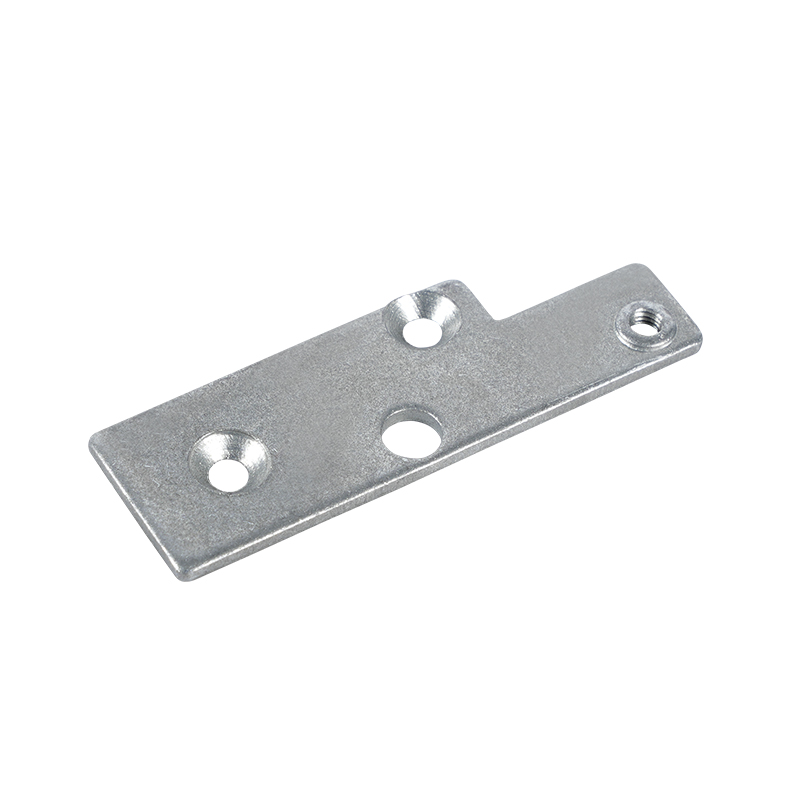
Process control keeps cutting conditions steady so each feature on the component stays within close limits. The service monitors tool load and makes small feed adjustments to prevent deflection. Coolant reaches the cutting edge to carry away heat and chips that could scratch the surface. Regular tool checks catch wear before it enlarges holes or changes contours. In daily shop life operators measure sample parts at intervals during long runs. Consistent control means fewer surprises when components go to assembly where even small differences can cause binding or loose fits. The attention to these details supports reliable production of parts used in real equipment.
What Role Does Tooling and Programming Play in Processing Service Results?
Tooling and programming sit at the heart of what a Processing Service actually delivers on the shop floor. Cutters of various shapes remove material in stages from roughing out the main body to finishing the final surfaces. Service teams turn drawings into code that directs every move the tool makes around the part. In an ordinary workshop a pump casing might need one tool for outer contours and another for internal ports that carry fluid. Programmers think about the order of operations so the part stays rigid enough during each cut. Operators set up the tools, run the piece and measure key spots before letting the full batch go through. When the instructions and tools match the job well, components come out with features that fit together in assemblies without much extra fitting.
How Can Setup and Workflow Integration Support Efficient Precision Manufacturing?
Setup and workflow integration help the CNC Processing Service become part of the normal flow in a component shop. Fixtures hold the raw block or casting steady while the cutter works from different sides. Teams arrange jobs so material moves from the machine to deburring or washing stations without piling up. In many plants machined parts go straight to quality checks nearby before moving to the next department. Preparing the stock with clean reference surfaces makes initial holding more reliable. Operators learn the changeover steps for common jobs so time between different components stays reasonable. The daily coordination keeps work moving through the plant instead of waiting at one station.
Maintenance and operational practices keep the Service working through regular production days. Crews wipe down ways and tool areas to clear away chips that build up during cutting. Lubrication follows set schedules so moving parts do not develop play over time. Workers pay attention to how the machine sounds and how chips look coming off the tool. A short warm-up period before starting jobs helps temperatures settle. In practice teams keep a few backup tools ready and swap them when edges start to show wear. These routines become part of the workday and help the equipment stay available when orders for precision components come through the door.
How Are Developments in Processing Service Adapting to Evolving Component Needs?
Developments in Service respond to parts that carry more detailed features and varied materials. Machines offer smoother control for fine surface work on housings or brackets. Programming approaches make it easier to create paths for complex curves without constant manual editing. Many shops now run jobs that combine different operations in one holding to cut down on moving the part around. Service teams try new tool coatings and strategies that handle harder materials with less fuss. The changes fit into existing workshop patterns rather than requiring completely new ways of working. CNC Processing Service keeps supporting the production of components that fit real equipment needs across different fields.

 Yongkang Ruizan Industry and Trade Co., Ltd.
A company specializing in metal stamping and mold design and manufacturing.


- Phone: +86-18072455799
- Email: [email protected]
- Address: No. 23, Qilong Road, Natural Village, Zhiying Town, Yongkang City, Jinhua City, Zhejiang Province, China
Copyright © Yongkang Ruizan Industry and Trade Co., Ltd. All Rights Reserved.

Custom Stamping Sheet Metal Hardware Machining Factory