

 English
 русский
 Español
The Advantages of Stamping Sheet Metal in Modern Manufacturing
What is Stamping Sheet Metal?
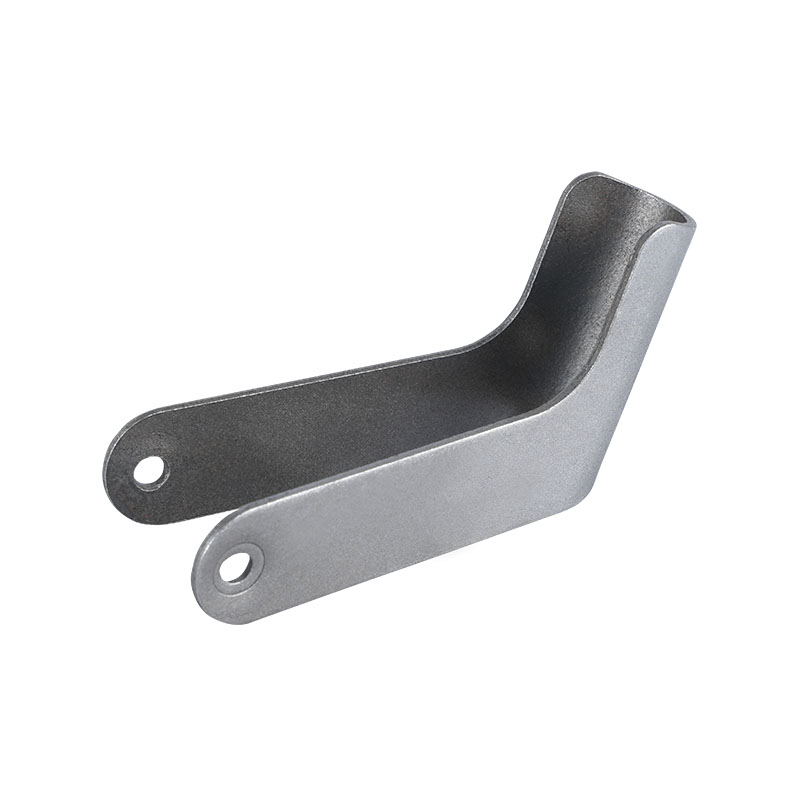
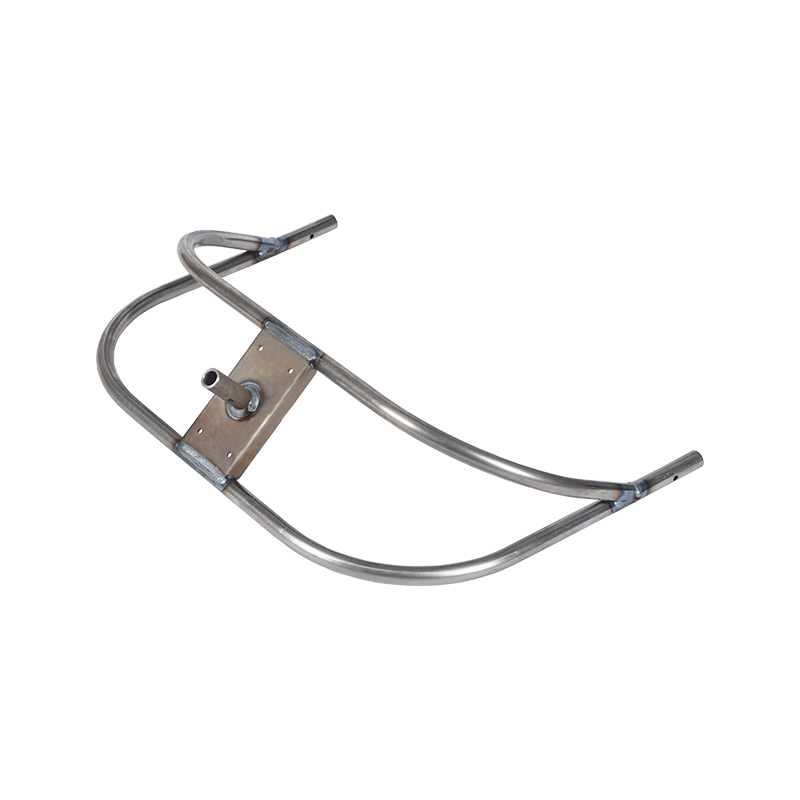
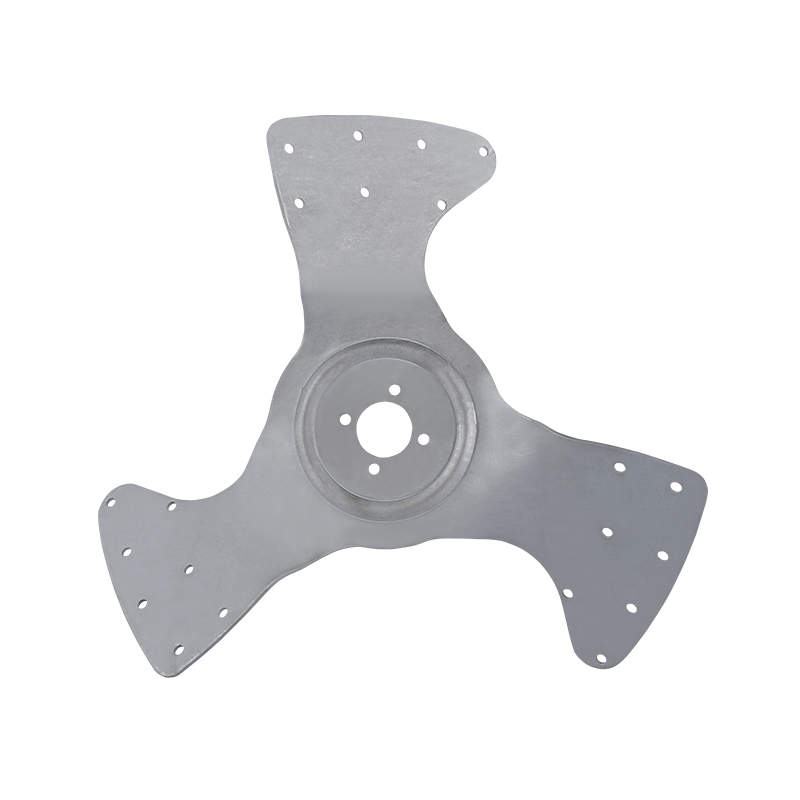
Stamping sheet metal refers to a manufacturing process in which flat sheets of metal are transformed into various shapes and sizes through the application of force. This process involves the use of stamping dies that shape the metal into parts, such as automotive components, electronic housings, and appliances. Stamping sheet metal is widely used in industries due to its ability to produce high-precision parts quickly and cost-effectively.
The Process Behind Stamping Sheet Metal
Stamping sheet metal typically involves feeding a metal sheet into a stamping press, which uses dies to punch, bend, or shape the metal. The press exerts a tremendous amount of pressure on the metal to create the desired form. The good common types of stamping processes include punching, blanking, bending, and embossing. These techniques are ideal for creating a wide range of parts, from small, intricate components to larger, more complex structures.
Benefits of Stamping Sheet Metal for Mass Production
One of the key benefits of stamping sheet metal is its efficiency in mass production. The process allows for the rapid production of identical parts, making it ideal for industries that require large volumes of components. For example, automotive manufacturers rely heavily on stamping sheet metal to produce body panels, brackets, and other components in bulk. The ability to produce thousands or even millions of parts with minimal variation makes stamping a cost-effective solution for mass production.
Precision and Accuracy in Stamping Sheet Metal
Stamping sheet metal is known for its high level of precision and accuracy. The dies used in the process are meticulously crafted to ensure that each stamped part meets strict specifications. This level of precision is essential for industries where even small deviations can cause problems. For example, in the automotive industry, parts made from stamped sheet metal must fit perfectly together to ensure proper assembly and functionality. The consistency of stamped parts makes them a reliable choice for demanding applications.
Versatility of Stamping Sheet Metal in Different Industries
The versatility of stamping sheet metal makes it a crucial process in many different industries. In the automotive industry, stamped sheet metal is used for manufacturing everything from car bodies to engine components. In electronics, it is used to create metal housings for devices like computers, phones, and televisions. Other industries, such as aerospace, medical devices, and appliances, also rely on stamping for producing metal parts that are both durable and precise.
Materials Used in Stamping Sheet Metal
Stamping sheet metal can be performed on a variety of materials, including steel, aluminum, brass, copper, and stainless steel. The choice of material depends on the intended application and the properties required. For instance, steel is often used for automotive parts due to its strength and durability, while aluminum is preferred for lightweight components. Stainless steel is used in applications that require resistance to corrosion, while copper is used for electrical components due to its conductivity.
Cost-Effectiveness of Stamping Sheet Metal
Stamping sheet metal is often considered a cost-effective solution, particularly when producing large quantities of parts. The high speed and low labor costs associated with the process reduce the overall production cost per part. Furthermore, since the metal sheets are relatively inexpensive compared to other materials, the cost of raw materials is kept low. The reduced material waste during stamping also contributes to cost savings. These factors make stamping an attractive option for manufacturers looking to keep costs down while maintaining high-quality standards.
Challenges in Stamping Sheet Metal
Despite its advantages, there are some challenges associated with stamping sheet metal. One of the primary challenges is the need for precise dies, which can be expensive to create. The setup costs for stamping presses and dies can be high, especially for complex designs. Additionally, the process may not be suitable for producing parts with extremely complex geometries, as the dies may not be able to achieve the necessary details. However, advancements in technology are helping to mitigate these challenges and improve the efficiency of the process.

 Yongkang Ruizan Industry and Trade Co., Ltd.
A company specializing in metal stamping and mold design and manufacturing.


- Phone: +86-18072455799
- Email: [email protected]
- Address: No. 23, Qilong Road, Natural Village, Zhiying Town, Yongkang City, Jinhua City, Zhejiang Province, China
Copyright © Yongkang Ruizan Industry and Trade Co., Ltd. All Rights Reserved.

Custom Stamping Sheet Metal Hardware Machining Factory