

 English
 русский
 Español
The Essential Guide to Steel Pipe Fabrication for Industrial Applications
What is Steel Pipe Fabrication?
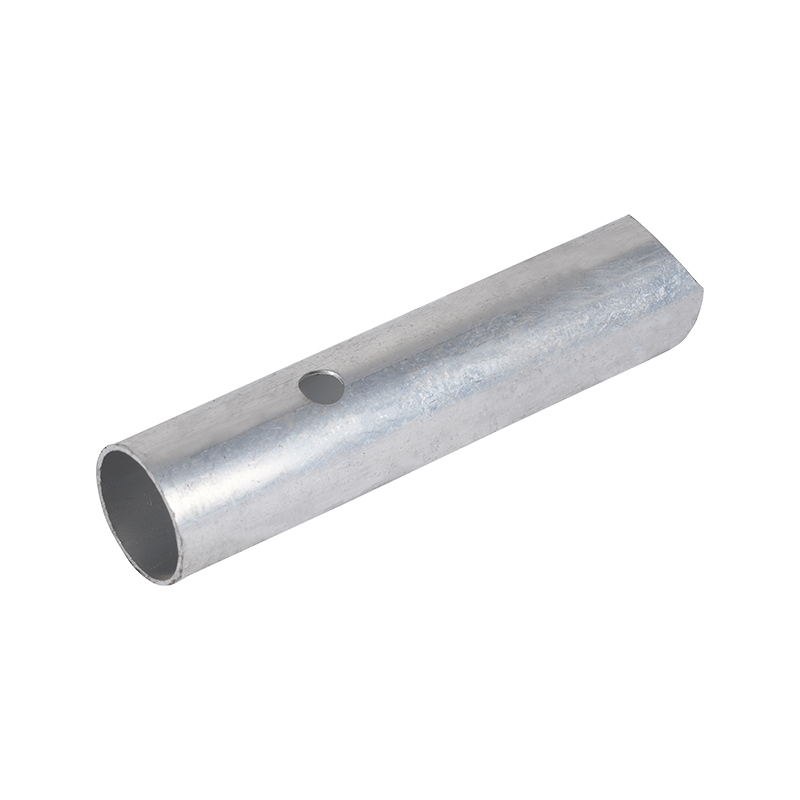
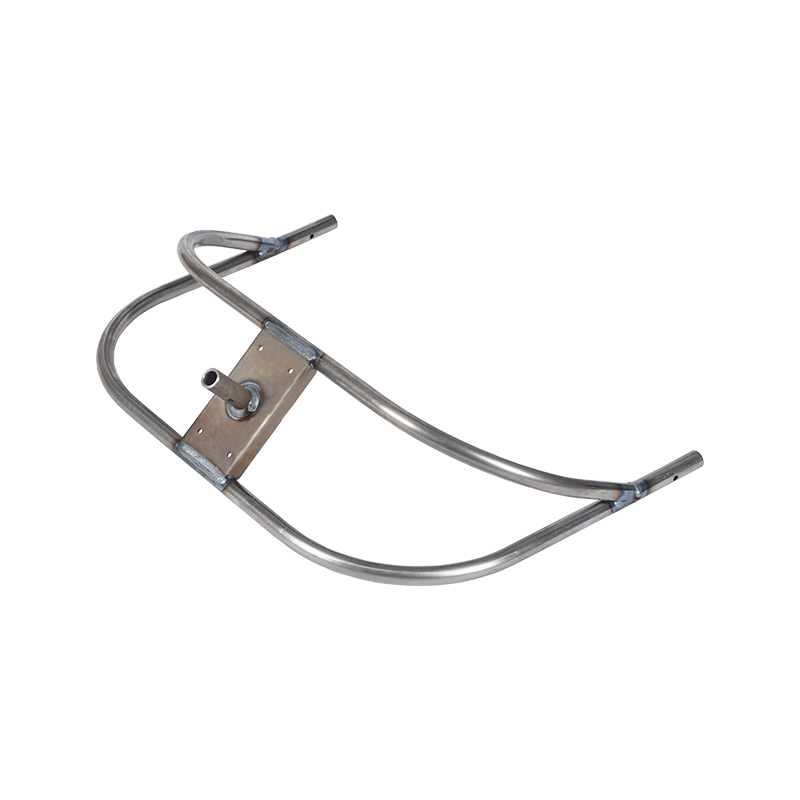
Steel pipe fabrication is the process of manufacturing steel pipes from raw materials into custom-designed products for various industrial applications. The fabrication process typically involves cutting, bending, welding, and assembling steel pipes to meet specific design requirements. Steel pipe fabrication is critical in industries such as construction, energy, and manufacturing, where the pipes must perform under challenging conditions like high pressure, temperature, and mechanical stress.
The Steel Pipe Fabrication Process
The process of steel pipe fabrication begins with selecting the appropriate grade of steel for the job. Once the material is chosen, it undergoes several steps:
Cutting: Steel pipes are cut to the required lengths using advanced cutting tools.
Bending: Pipes are bent into the desired shapes, often using machines designed for precise angles and curves.
Welding: The pieces are welded together to form longer sections or custom shapes.
Inspection: Each pipe is inspected for defects or irregularities to meet quality standards.
Finishing: The final touches include cleaning, coating, and sometimes painting to protect the pipes from corrosion.
This multi-step process allows fabricators to create highly customized steel pipe products.
Why Steel Pipe Fabrication is Important
Steel pipe fabrication is essential for ensuring that steel pipes are ready for use in a wide variety of environments. The fabricated pipes are designed to withstand the physical demands of industrial systems, such as water and gas pipelines, HVAC systems, and structural applications. Custom fabrication allows manufacturers to design pipes that are tailored to the specific needs of their clients, providing them with reliable and durable solutions for their projects.
Industries That Benefit from Steel Pipe Fabrication
Steel pipe fabrication is used across numerous industries, each with its own specific needs for steel pipes. Some of the good common industries that rely on fabricated steel pipes include:
Oil and Gas: Steel pipes are used to transport crude oil, natural gas, and other petroleum products.
Construction: Fabricated pipes are integral to building HVAC systems, plumbing, and fire suppression systems.
Water Treatment: Steel pipes are used for transporting treated water and sewage in water treatment plants.
Energy Production: Steel pipes are essential in power plants for handling steam, water, and other fluids.
Manufacturing: Fabricated pipes are often used for transporting raw materials, chemicals, and other fluids within factories.
The versatility of steel pipe fabrication allows for a wide range of applications in these industries, each requiring specialized pipe designs to meet safety, performance, and environmental standards.
Advantages of Steel Pipe Fabrication
Steel pipe fabrication offers several key benefits, including:
Customization: Steel pipes can be fabricated to any length, diameter, or shape, allowing for custom solutions for unique projects.
Durability: Steel is a strong, durable material that can withstand harsh environmental conditions, making it ideal for heavy-duty applications.
Corrosion Resistance: Fabricated steel pipes can be coated or treated to improve their resistance to rust and corrosion, extending their lifespan.
Cost-Effectiveness: While steel may have a higher initial cost than some materials, its longevity and ability to be recycled make it a cost-effective option in the long term.
These benefits make steel pipe fabrication a preferred choice for industries that need durable, reliable, and customized piping solutions.
The Role of Welding in Steel Pipe Fabrication
Welding is a crucial part of the steel pipe fabrication process. It is used to join different pipe sections together, creating a seamless connection. There are various welding techniques used in steel pipe fabrication, such as MIG welding, TIG welding, and stick welding. Each method has its advantages depending on the project requirements. For instance, TIG welding is often used for high-precision work, while MIG welding is suitable for large-scale production. The quality of the welds is critical, as it ensures the integrity and strength of the final product.

 Yongkang Ruizan Industry and Trade Co., Ltd.
A company specializing in metal stamping and mold design and manufacturing.


- Phone: +86-18072455799
- Email: [email protected]
- Address: No. 23, Qilong Road, Natural Village, Zhiying Town, Yongkang City, Jinhua City, Zhejiang Province, China
Copyright © Yongkang Ruizan Industry and Trade Co., Ltd. All Rights Reserved.

Custom Stamping Sheet Metal Hardware Machining Factory