

 English
 русский
 Español
The Foundational Role of a Steel Pipe Fabrication Factory
Core Processes: Cutting, Forming, and Joining
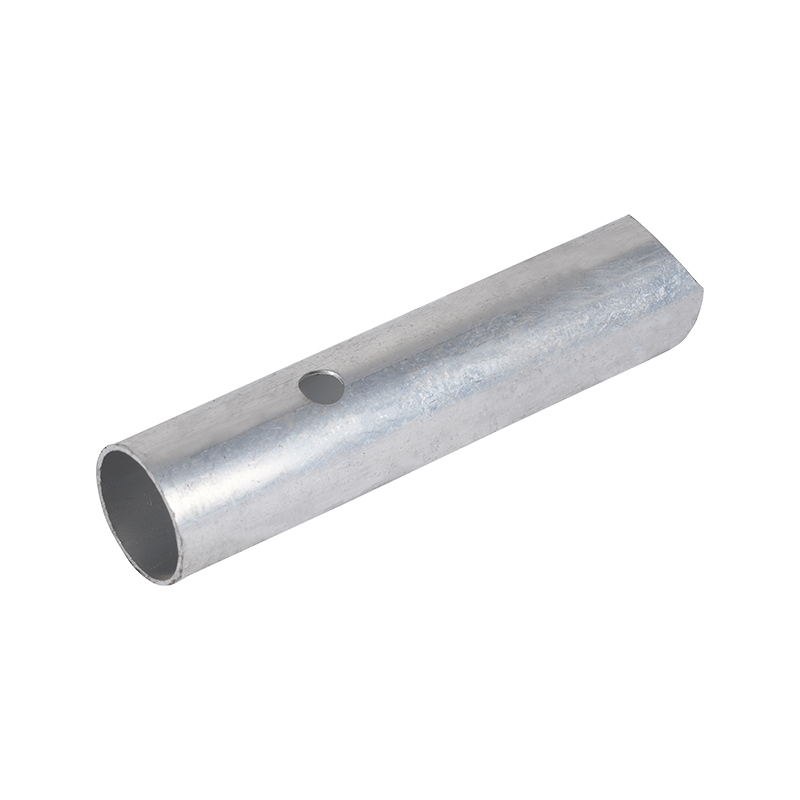
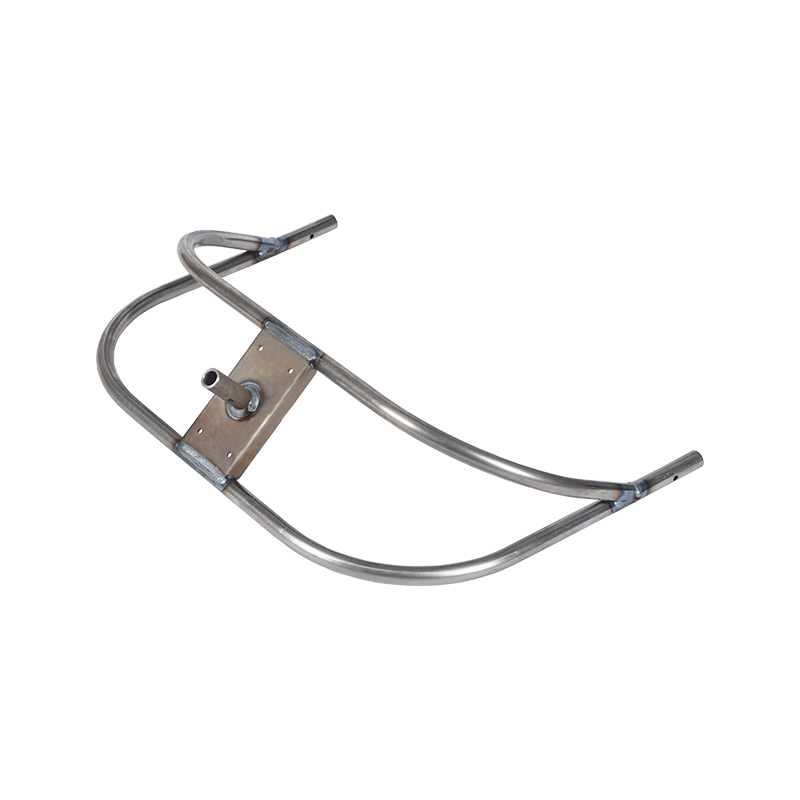
A steel pipe fabrication factory functions as an industrial hub where raw steel pipe and tube are transformed into structural and conveyance systems. Its operations are built on three core physical processes. Cutting involves precise sectioning of pipe to length using methods like sawing, plasma cutting, or abrasive wheel cutting. Forming modifies the pipe shape through techniques such as bending on a mandrel or rotary draw benders to create elbows and curves, or end-forming to create flares or flanges. Joining, critically, involves welding—whether manual, robotic, or orbital—to assemble sections into larger structures or systems. The technical proficiency of a steel pipe fabrication factory is measured by its ability to execute these processes with consistency, maintaining alignment, dimensional accuracy, and weld integrity according to stringent project specifications and applicable codes.
Engineering and Design Integration
Modern fabrication extends far beyond the shop floor. A proficient steel pipe fabrication factory integrates engineering and design services at the project's inception. This involves collaborating with clients and engineers to interpret piping isometrics, general arrangement drawings, and 3D models. Factory engineers perform detailed shop drawing creation, developing precise spool drawings that break down complex systems into transportable, manufacturable sections. They also conduct clash detection and sequencing analysis to preempt assembly issues. This upfront engineering investment by the steel pipe fabrication factory is critical for complex projects in construction, energy, or industrial plant settings, ensuring that fabricated components fit perfectly on-site, minimizing costly field modifications and delays.
Material Management and Pre-Fabrication Treatment
Efficient workflow in a steel pipe fabrication factory begins with rigorous material control. This includes verifying material certificates for grade, chemical composition, and mechanical properties upon receipt. Pipes are often subjected to pre-fabrication treatments such as abrasive blasting to remove mill scale and rust, priming for corrosion protection during storage and handling, and pre-heating for certain alloy steels to prevent cracking during welding. The factory's material handling systems—cranes, forklifts, and racking—are designed to move heavy pipe sections safely without causing damage. Effective traceability systems ensure that each fabricated piece can be linked back to its original material batch, a requirement for quality assurance in regulated industries.
Quality Assurance Through Testing and Inspection
Given the critical nature of its outputs for structural safety and fluid containment, a steel pipe fabrication factory implements a multi-layered quality assurance regime. Visual inspection of all welds is standard practice. This is supplemented by non-destructive testing methods tailored to the application: radiographic or ultrasonic testing to detect internal weld defects, magnetic particle or dye penetrant inspection for surface flaws, and hydrostatic or pneumatic testing to verify pressure integrity. Inspections are conducted by certified personnel, and results are meticulously documented in inspection and test plans. The factory's commitment to a certified quality management system provides clients with verifiable confidence that the fabricated piping meets all design, code, and safety requirements.
Logistics and Field Support Coordination
The final challenge for a steel pipe fabrication factory is the delivery and integration of its products. Fabricated pipe spools can be large and heavy, requiring careful logistical planning for loading, securing, and transporting to often remote or congested job sites. The factory generates detailed packing lists and shipping manifests, and may coordinate just-in-time delivery sequences to match the site's erection schedule. For larger projects, the factory often provides field support, sending certified welders or supervisors to assist with the final installation, bolting, and tie-in welds. This end-to-end service, from engineered fabrication to coordinated delivery and support, positions the steel pipe fabrication factory as a vital partner in the successful execution of industrial and infrastructure projects.

 Yongkang Ruizan Industry and Trade Co., Ltd.
A company specializing in metal stamping and mold design and manufacturing.


- Phone: +86-18072455799
- Email: [email protected]
- Address: No. 23, Qilong Road, Natural Village, Zhiying Town, Yongkang City, Jinhua City, Zhejiang Province, China
Copyright © Yongkang Ruizan Industry and Trade Co., Ltd. All Rights Reserved.

Custom Stamping Sheet Metal Hardware Machining Factory