

 English
 русский
 Español
How to Choose a Reliable CNC Metal Machining Factory
Growing Demand for Precision Components
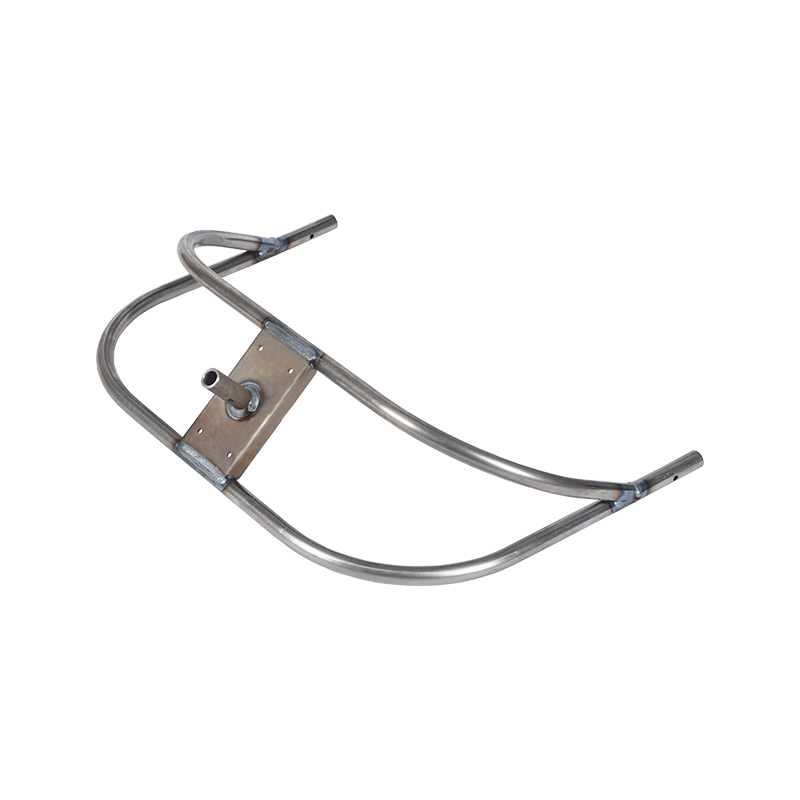
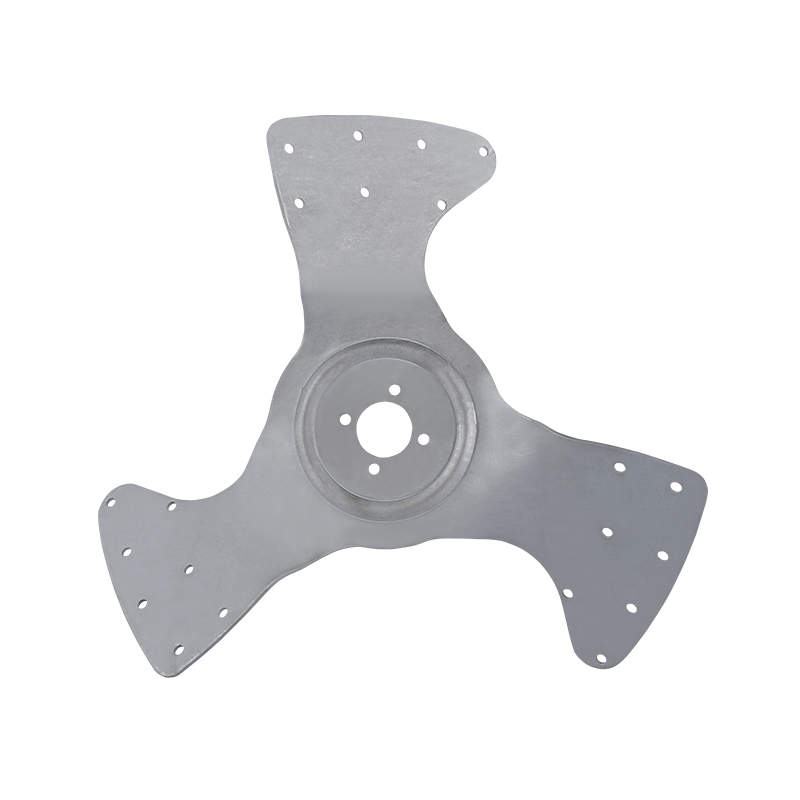
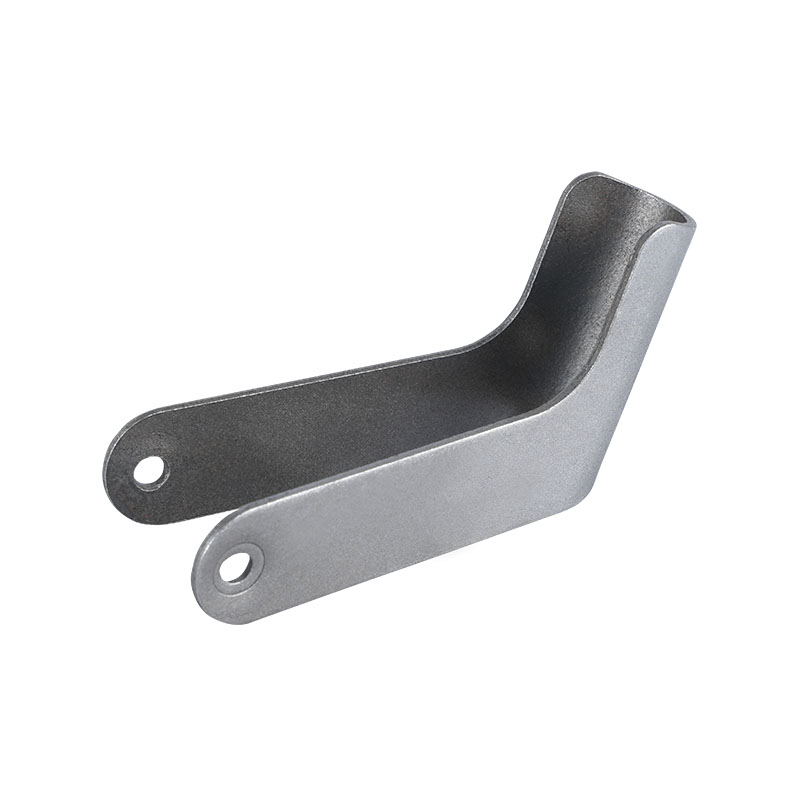
Precision metal parts are essential in industries such as automotive, aerospace, electronics, medical devices, and industrial equipment. As product designs become more complex, manufacturers increasingly depend on a professional CNC Metal Machining Factory to produce components with tight tolerances and stable dimensional accuracy. Computer numerical control technology allows automated cutting, drilling, milling, and turning based on digital design files.
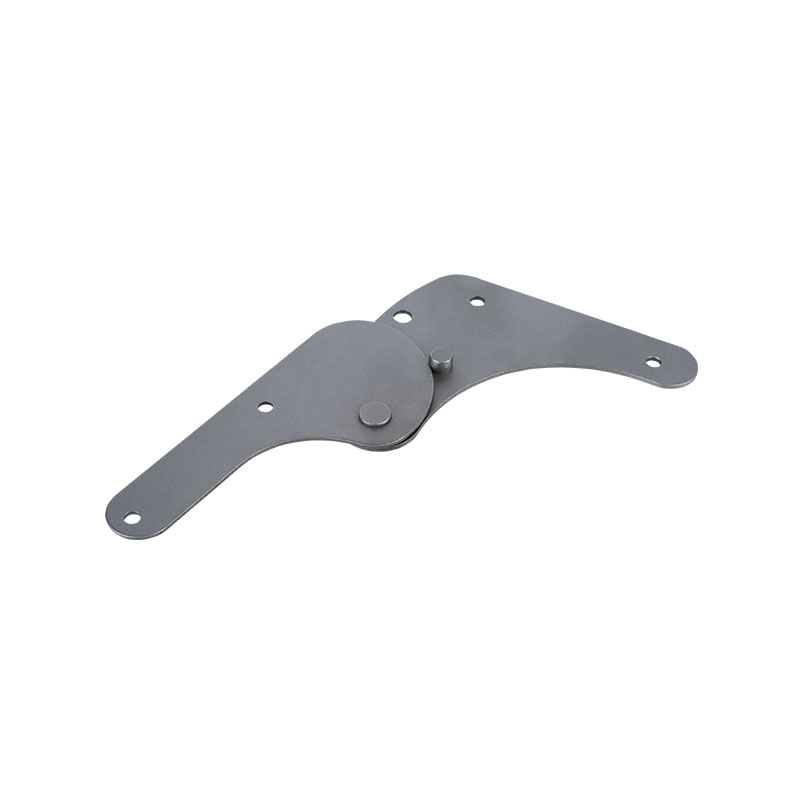
A dependable CNC Metal Machining Factory supports both prototype development and batch production. By combining advanced machinery with skilled programming, factories can transform raw metal blocks into functional components used in various mechanical systems.
Core Equipment and Machining Capabilities
A modern CNC Metal Machining Factory typically operates CNC milling machines, CNC lathes, machining centers, and multi-axis equipment. Milling machines shape flat surfaces and complex contours, while lathes specialize in cylindrical parts such as shafts and bushings. Multi-axis systems allow simultaneous movement in several directions, enabling intricate geometries.
Material versatility is another important capability. A qualified CNC Metal Machining Factory processes aluminum, stainless steel, carbon steel, brass, copper, and other alloys. Each material requires specific cutting speeds, tool selection, and cooling methods. Proper parameter control supports consistent surface finish and dimensional precision.
Engineering Support and Custom Production
Technical collaboration plays a central role in successful projects. Clients usually provide 2D drawings or 3D CAD models, which engineers at a CNC Metal Machining Factory review before programming tool paths. During this stage, manufacturability analysis helps optimize design details such as hole depth, corner radius, and tolerance limits.
Prototype machining often precedes bulk production. A capable CNC Metal Machining Factory produces sample parts for dimensional verification and functional testing. This step allows design adjustments before scaling up manufacturing quantities. Clear communication between engineering teams contributes to smoother project execution.
Quality Control and Inspection Standards
Precision machining requires structured quality management. A reliable CNC Metal Machining Factory uses measuring instruments such as calipers, micrometers, coordinate measuring machines, and surface roughness testers. These tools verify that finished parts meet specified tolerances and surface requirements.
Process documentation and inspection reports provide traceability for industrial clients. Through systematic monitoring of cutting parameters and tool wear, a CNC Metal Machining Factory maintains consistent output across production batches. Stable quality performance builds long-term trust with domestic and international buyers.
Surface Treatment and Secondary Processing
After machining, metal components often require additional finishing. A CNC Metal Machining Factory may offer anodizing, plating, polishing, sandblasting, or powder coating services. These treatments improve corrosion resistance and enhance product appearance depending on application needs.
Secondary operations such as tapping, threading, or assembly can also be integrated into the production workflow. By providing multiple services within one CNC Metal Machining Factory, clients simplify supply chain coordination and reduce handling time between processes.
Production Capacity and Industry Trends
As global manufacturing evolves, automation and digital integration continue to shape machining operations. Many facilities adopt real-time monitoring systems to track machine performance and production schedules. A forward-looking CNC Metal Machining Factory invests in updated equipment and software to maintain competitive production capability.
When evaluating potential suppliers, buyers often review machining accuracy, material expertise, production scale, communication efficiency, and delivery stability. By combining technical knowledge with structured management systems, a CNC Metal Machining Factory becomes a strategic partner in developing high-precision metal components across multiple industrial sectors.

 Yongkang Ruizan Industry and Trade Co., Ltd.
A company specializing in metal stamping and mold design and manufacturing.


- Phone: +86-18072455799
- Email: [email protected]
- Address: No. 23, Qilong Road, Natural Village, Zhiying Town, Yongkang City, Jinhua City, Zhejiang Province, China
Copyright © Yongkang Ruizan Industry and Trade Co., Ltd. All Rights Reserved.

Custom Stamping Sheet Metal Hardware Machining Factory