

 English
 русский
 Español
What Does a Steel Pipe Fabrication Factory Offer
Role in Industrial Infrastructure
Steel pipes are widely used in construction, oil and gas transport, water supply systems, mechanical frameworks, and structural engineering projects. Their strength and adaptability make them essential components in modern infrastructure. A professional Steel Pipe Fabrication Factory transforms raw steel pipes into customized products that meet project-specific requirements.
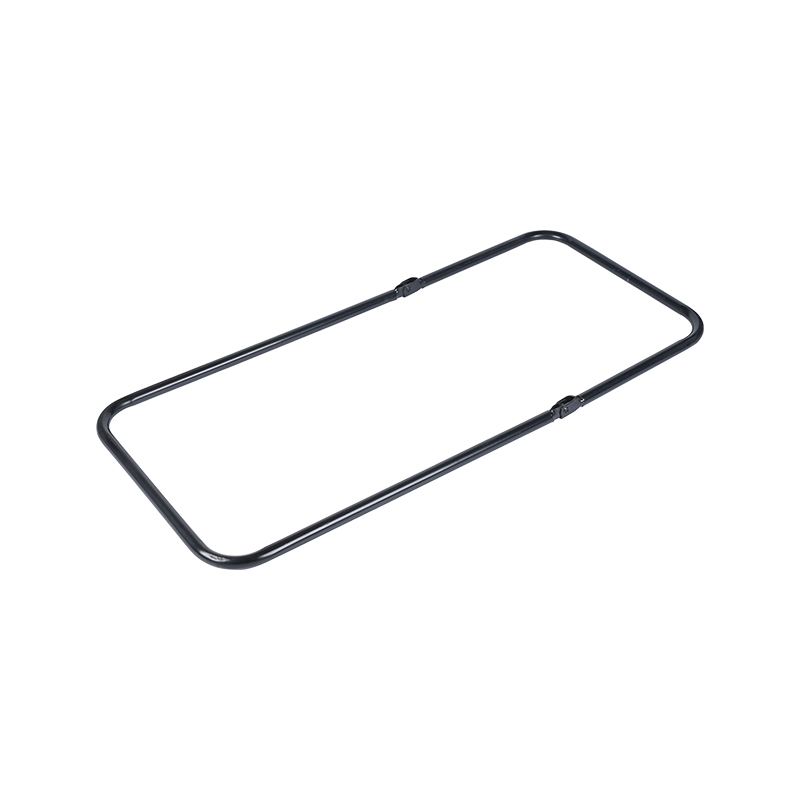
From large industrial facilities to municipal installations, contractors depend on a reliable Steel Pipe Fabrication Factory to deliver accurately processed pipes ready for installation. Fabrication services bridge the gap between raw materials and functional structural components.
Core Fabrication Processes
A Steel Pipe Fabrication Factory typically performs cutting, bending, welding, threading, grooving, and beveling operations. Precision cutting machines prepare pipes according to required lengths, while bending equipment shapes pipes for complex routing layouts. Welding services join multiple sections to form longer assemblies or structural frames.
Threading and grooving processes are commonly applied for pipeline connections. Through advanced machinery and skilled technicians, a Steel Pipe Fabrication Factory ensures dimensional consistency and alignment during each processing stage. These operations allow pipes to integrate smoothly into larger mechanical systems.
Custom Engineering and Project Support
Many projects require non-standard pipe dimensions or specialized assemblies. A capable Steel Pipe Fabrication Factory works closely with engineering teams to interpret technical drawings and 3D models. This collaboration supports accurate fabrication based on pressure ratings, load requirements, and environmental conditions.
Prototype fabrication and sample verification may be conducted before mass production begins. By offering technical consultation, a Steel Pipe Fabrication Factory assists clients in refining structural details and improving installation efficiency. Clear communication during the planning stage reduces potential modifications during construction.
Surface Treatment and Protective Coatings
After fabrication, steel pipes often require surface treatment to enhance durability. A Steel Pipe Fabrication Factory may provide sandblasting, galvanizing, powder coating, or anti-corrosion painting services. These treatments improve resistance to moisture, chemicals, and environmental exposure.
Protective coatings are particularly important in outdoor pipelines and industrial plants. By integrating finishing services within the same Steel Pipe Fabrication Factory, clients reduce coordination complexity and streamline supply chain management. Finished pipes arrive at job sites ready for assembly.
Quality Control and Inspection Procedures
Dimensional accuracy and weld integrity are critical factors in pipe fabrication. A structured Steel Pipe Fabrication Factory implements inspection procedures including visual weld checks, ultrasonic testing, and pressure testing when required. Measuring tools verify length, diameter, and alignment according to project specifications.
Documentation and traceability records support compliance with industrial standards. Through systematic quality management, a Steel Pipe Fabrication Factory maintains consistency across large production batches. Stable quality performance strengthens long-term cooperation with contractors and engineering firms.
Production Capacity and Industry Development
As infrastructure investment continues globally, demand for fabricated steel components remains steady. Automation in cutting and welding technology enhances production speed and accuracy. A forward-focused Steel Pipe Fabrication Factory adopts digital monitoring systems and modern fabrication equipment to meet evolving industry expectations.
When selecting a fabrication partner, businesses often evaluate technical capability, customization flexibility, production scale, and delivery reliability. By combining engineering expertise with structured manufacturing processes, a Steel Pipe Fabrication Factory becomes a key contributor to infrastructure development across construction, energy, and industrial sectors.

 Yongkang Ruizan Industry and Trade Co., Ltd.
A company specializing in metal stamping and mold design and manufacturing.


- Phone: +86-18072455799
- Email: [email protected]
- Address: No. 23, Qilong Road, Natural Village, Zhiying Town, Yongkang City, Jinhua City, Zhejiang Province, China
Copyright © Yongkang Ruizan Industry and Trade Co., Ltd. All Rights Reserved.

Custom Stamping Sheet Metal Hardware Machining Factory