

 English
 русский
 Español
How to Select a Reliable Machining Components Factory
Growing Importance of Precision Manufacturing
Modern industries rely heavily on accurately produced metal and plastic parts. From automotive assemblies to industrial automation systems, component precision directly influences overall equipment performance. A professional Machining Components Factory transforms raw materials into detailed parts using advanced machining technologies and digital control systems.
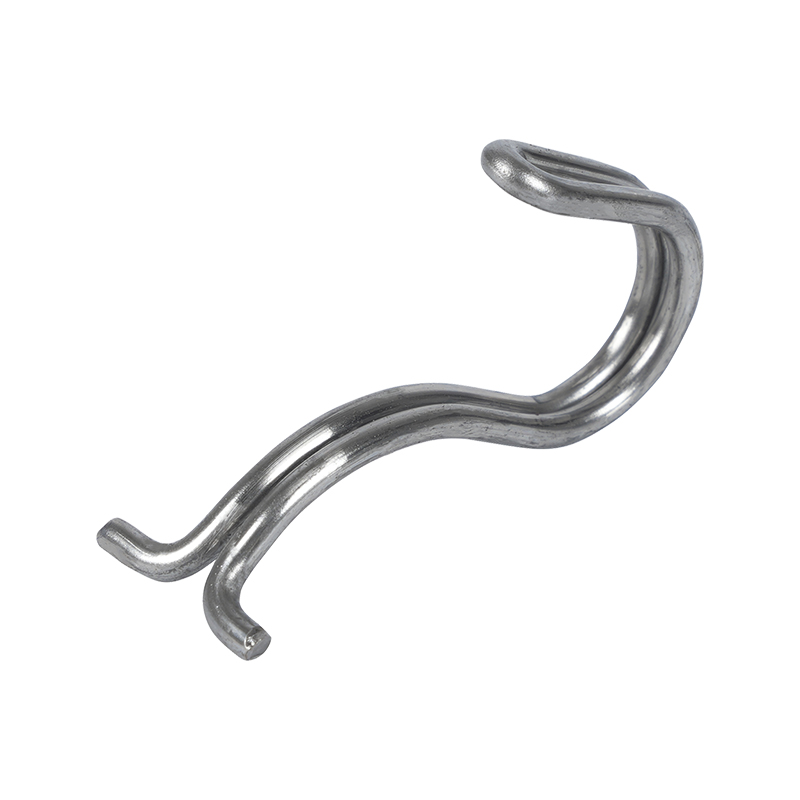
As product designs become increasingly complex, manufacturers seek partners capable of maintaining dimensional accuracy and consistent batch production. A dependable Machining Components Factory supports this demand by combining engineering knowledge with automated equipment to handle both prototypes and large production volumes.
Core Machining Capabilities and Equipment
A well-equipped Machining Components Factory typically operates CNC milling machines, CNC lathes, drilling centers, grinding equipment, and multi-axis machining systems. Milling processes shape flat and contoured surfaces, while lathes focus on cylindrical parts such as shafts and bushings. Multi-axis machines allow intricate geometries to be formed in a single setup.
Material versatility is another key capability. A qualified Machining Components Factory can process aluminum, stainless steel, carbon steel, brass, titanium, and engineering plastics. Each material requires specific cutting speeds, tool selection, and cooling strategies. Stable parameter control supports uniform surface finish and tight tolerances.
Engineering Collaboration and Custom Solutions
Close communication between client and manufacturer plays a major role in successful projects. Customers typically provide technical drawings or 3D CAD files, which engineers at a Machining Components Factory review to assess manufacturability. During this stage, adjustments may be suggested regarding hole depth, corner radius, or structural reinforcement.
Prototype production often precedes large-scale manufacturing. A capable Machining Components Factory produces sample components for dimensional verification and functional testing. This step allows product refinement before full production begins. Clear engineering feedback shortens development cycles and supports smoother transitions to bulk orders.
Quality Control and Inspection Systems
Maintaining consistent quality is essential in precision machining. A structured Machining Components Factory uses inspection tools such as calipers, micrometers, height gauges, and coordinate measuring machines to verify part dimensions. Surface roughness testers may also be applied when specific finish standards are required.
Process monitoring is equally important. By tracking tool wear, spindle speed, and cutting parameters, a Machining Components Factory maintains stable output across different production batches. Inspection records and traceability documentation provide confidence for industrial buyers and support compliance with international standards.
Surface Treatment and Secondary Processing
After primary machining, components often require additional finishing. A comprehensive Machining Components Factory may offer anodizing, plating, sandblasting, polishing, powder coating, or heat treatment services. These treatments improve corrosion resistance, enhance durability, and refine surface appearance.
Secondary processes such as tapping, threading, assembly, or laser marking can also be integrated into the workflow. By providing multiple services within one Machining Components Factory, clients reduce supplier coordination complexity and improve overall supply chain efficiency.
Production Capacity and Industry Development
Automation and digital monitoring systems are reshaping modern manufacturing environments. Many facilities implement real-time production tracking to optimize scheduling and resource allocation. A forward-oriented Machining Components Factory invests in updated machinery and process control software to maintain competitive production capability.
When evaluating potential partners, buyers often review technical expertise, customization flexibility, quality management, and delivery reliability. By aligning engineering support with stable machining operations, a Machining Components Factory becomes a strategic contributor to product innovation across automotive, electronics, medical, and industrial sectors.

 Yongkang Ruizan Industry and Trade Co., Ltd.
A company specializing in metal stamping and mold design and manufacturing.


- Phone: +86-18072455799
- Email: [email protected]
- Address: No. 23, Qilong Road, Natural Village, Zhiying Town, Yongkang City, Jinhua City, Zhejiang Province, China
Copyright © Yongkang Ruizan Industry and Trade Co., Ltd. All Rights Reserved.

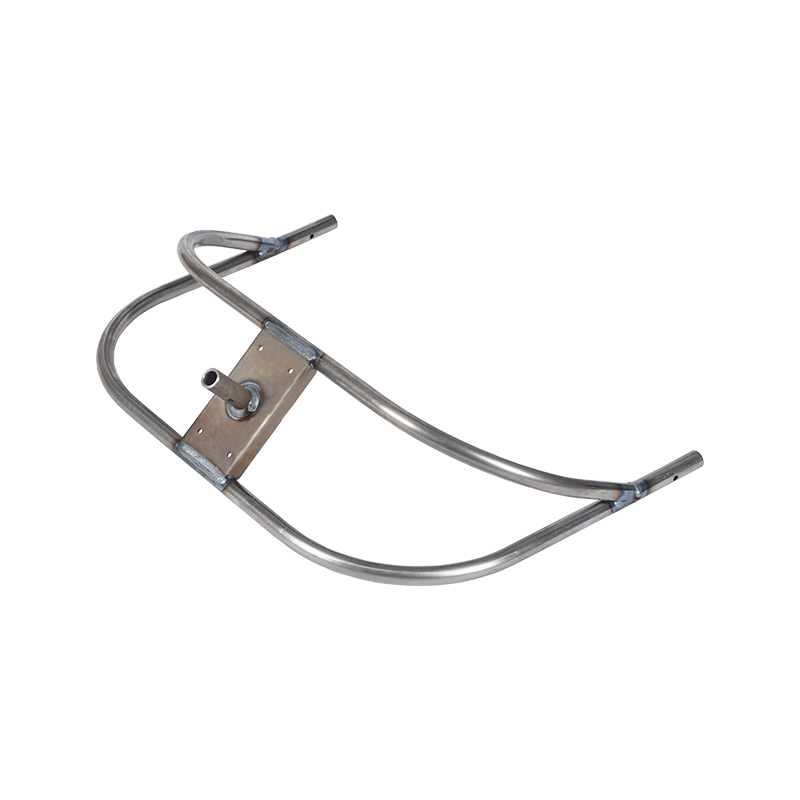
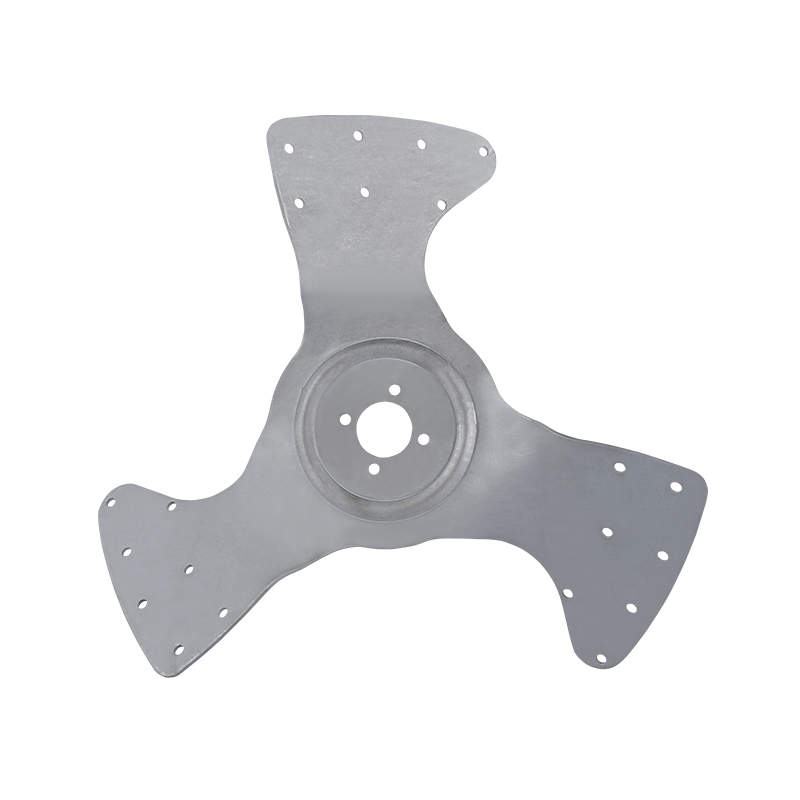
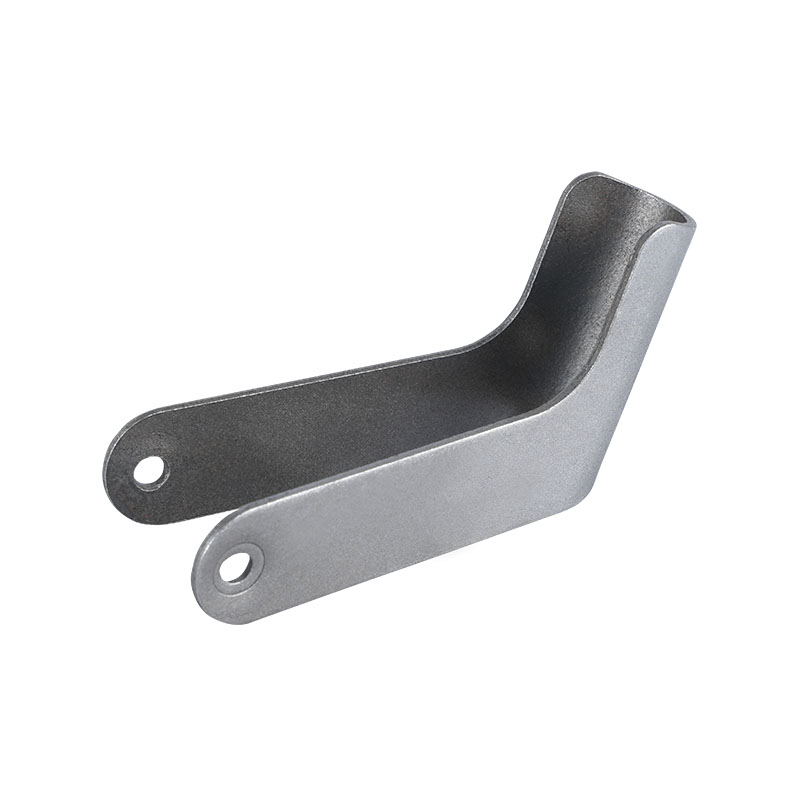
Custom Stamping Sheet Metal Hardware Machining Factory