

 English
 русский
 Español
Custom Cast Aluminum In Industrial Design And Lightweight Structures
In many workshops, parts do not begin from a catalog. They begin from a problem. A space needs to be filled, a load needs to be carried, or two structures need to connect in a certain way. When those needs do not match standard components, manufacturing has to adjust.
Casting stays relevant in this situation because it does not force the design into a fixed form. Custom Cast Aluminum comes from this way of thinking. It is not about repeating the same part again and again, but about shaping metal so it fits a specific purpose.
In conversations around flexible production routes, Yongkang Ruizan Industry and Trade Co., Ltd. is sometimes brought up in relation to casting methods that allow structure and function to be planned together instead of separately.
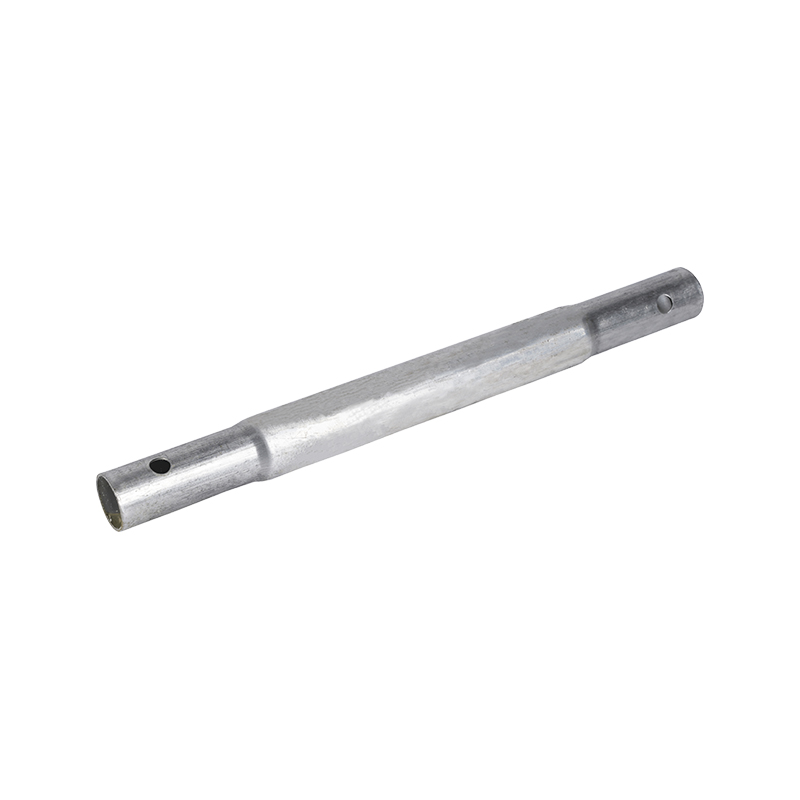
What Custom Cast Aluminum Means In Industrial Applications
When people refer to Custom Cast Aluminum, they are usually talking about parts that are made for a particular use rather than selected from existing stock. The design defines the part, not the other way around.
This changes how a component fits into a system. Instead of adjusting multiple pieces to work together, one cast part can often take on several roles at once. A single body may include areas for support, connection, and positioning without needing extra elements.
In everyday production, this often leads to:
- Fewer separate parts to manage
- Less need for joining steps later on
- Shapes that match surrounding structures more naturally
- Designs that can shift as requirements change
It does not remove complexity, but it moves that complexity into the design stage rather than the assembly stage.
Casting Process And Formation Of Complex Structures
At its core, casting is simple to describe. Aluminum is heated until it flows, then it is directed into a mold. After cooling, the shape remains.
The material does not just fill the mold in a uniform way. It moves, cools, and settles at different rates depending on the shape. Thin sections behave differently from thick ones. Corners react differently from flat surfaces.
Because of this, the final result depends on several linked factors:
- The path the material takes while entering the mold
- The way heat leaves different parts of the structure
- The geometry of the mold itself
- The conditions under which the part is removed
These are not isolated variables. Adjusting one often affects the others. That is why casting design tends to go through several revisions before reaching a stable form.
How Custom Cast Aluminum Supports Complex Part Design
When a part includes many features, building it from separate pieces can quickly become complicated. Casting offers another path by allowing those features to be formed together.
It is common to see a single cast component include:
- Reinforcement that follows the expected load path
- Open areas where solid material is not required
- Connection points placed directly where they are needed
- Surfaces shaped to match neighboring parts
This reduces the number of connections that need to be made later. Fewer connections often mean fewer alignment issues during assembly.
There is also more freedom during design changes. If the structure needs to be adjusted, the modification can often be made in the mold design rather than across multiple separate components.
Role Of Custom Cast Aluminum In Lightweight Structural Design
Weight reduction is often discussed, but in practice it is not only about making parts thinner. It is about placing material with intention.
Casting allows the structure to shift depending on function:
- Sections under higher load can remain solid
- Areas with less demand can be opened or reduced
- Reinforcement can be placed along specific directions
- The overall form can stay balanced without uniform thickness
This creates a part that reflects how it will be used rather than following a uniform pattern. The result is a structure that carries its load without unnecessary mass.
Material Characteristics And Performance Considerations
Aluminum is often chosen because it fits a range of conditions without requiring complex treatment. It is relatively light, and in many environments it resists surface degradation over time.
Still, the way it is cast plays a role in how it performs. Internal structure, surface finish, and cooling behavior all influence the final result.
When evaluating a cast part, attention is often given to:
- How it responds to repeated stress
- How stable it remains under temperature change
- How the surface behaves during contact or exposure
- How it interacts with other materials nearby
These points are usually considered early, since changes become more difficult once production begins.
Design Considerations In Custom Casting Projects
Designing for casting is not only about drawing the final shape. It also involves thinking about how that shape will form in practice.
To avoid that, designers often make small but important changes:
- Keeping thickness from shifting too abruptly
- Softening transitions between sections
- Planning how the part will separate from the mold
- Leaving space for later finishing where needed
The relationship between design decisions and production results can be seen in the following table:
| Design Detail | Adjustment In Practice | Effect On Result |
|---|---|---|
| Thickness changes | Reduce sharp variation | More even cooling |
| Edge transitions | Use gradual curves | Smoother material flow |
| Internal shapes | Simplify enclosed areas | Easier mold handling |
| Surface allowance | Add finishing margin | Improved final fit |
These adjustments are usually handled before production starts. Once tooling is prepared, making changes becomes more complicated.
Integration With Customized Metal Systems
A typical arrangement might include:
- A cast structure forming the main body
- Machined areas where precision is needed
- Additional parts attached for specific functions
Each method contributes something different. Casting handles the overall shape, while other processes refine details or add features.
This combination allows the design to stay flexible. Instead of forcing one method to do everything, each part of the system is produced in a way that suits its role.
Surface Treatment And Post Processing Behavior
When a cast aluminum part comes out of the mold, it is usually not ready for direct use. The surface at that stage often reflects the mold texture and the way the metal cooled. It may look uneven in some areas, especially where material flow changed direction or slowed down.
Because of this, extra steps are often added after casting. These steps are not about changing the structure itself, but about making the surface more suitable for real working conditions. Depending on the requirement, only certain areas are processed instead of treating the whole part in the same way.
Common follow-up actions may include:
- Light machining on fitting or contact areas
- Smoothing of surfaces that will touch other parts
- Protective coating to reduce environmental impact
- Basic cleaning to remove leftover material from casting
In many cases, the surface treatment is adjusted based on where the part will be installed. Areas that are hidden inside a structure may need less attention, while exposed zones are handled more carefully.
Production Workflow And Manufacturing Considerations
The process of making a Custom Cast Aluminum part follows a sequence, but in practice, it is not always a straight line from start to finish. Design decisions and manufacturing steps often influence each other.
A typical flow can be described in a simple way:
- A shape is planned according to the function it needs to serve
- A mold is prepared based on that shape
- Molten aluminum is introduced into the mold
- The material cools and begins to take form
- The part is removed once it becomes stable
- Final adjustments are made where necessary
Even though this looks structured, changes can happen at different stages. For example, if a part does not cool evenly, small adjustments may be needed in the mold or in the way the material is guided in later runs.
Rather than treating each step separately, manufacturers usually observe how one stage affects the next. This makes the workflow more flexible than it appears on paper.
Common Challenges In Custom Cast Aluminum Production
Casting aluminum is widely used, but it is not completely free from issues. Some challenges appear repeatedly, especially when the shape becomes more detailed or when wall thickness is uneven.
A few situations that often need attention include:
- Small internal gaps that form during cooling
- Slight changes in size after the material settles
- Surface areas that require additional finishing work
- Differences between early samples and later batches
These points do not necessarily stop production, but they can affect consistency. Because of this, adjustments are usually made gradually, based on what is observed during actual production.
In many cases, improvements come from small changes in mold design or cooling control rather than major redesigns.
Application Areas In Industrial Sectors
Custom Cast Aluminum is used in many industrial environments where standard shapes are not enough. The main reason is not appearance, but how well the part fits into a specific structure.
Typical uses include:
- Mechanical equipment where parts need to carry load in specific directions
- Structural housings that combine protection and support
- Transport-related systems where reducing weight is helpful
- Equipment assemblies where space is limited and shapes must adapt
What connects these applications is the need for parts that are shaped around function. Instead of forcing the system to adapt to a standard component, the component is shaped to fit the system.
Maintenance And Long Term Use Behavior
After installation, cast aluminum parts usually remain stable for long periods, but their condition still depends on the environment and how they are used.
Over time, attention is often given to:
- Contact surfaces between connected parts
- Exposure to moisture or changing temperatures
- Areas under repeated mechanical load
- Fit changes caused by long-term use
Maintenance is generally simple. In many cases, it involves inspection and cleaning rather than replacement. If changes appear, they tend to develop slowly, which makes them easier to manage.
The way the part was cast also plays a role in how it behaves later, especially in areas where stress is concentrated.
Development Direction Of Custom Cast Aluminum
Casting methods continue to evolve alongside changes in industrial design. Instead of focusing only on producing shapes, more attention is now given to how those shapes interact with the rest of a system.
Some noticeable directions include:
- Closer coordination between design planning and mold creation
- More attention to how parts fit within assemblies
- Combined use of casting with other processing methods
- Adjustments in structure to support more detailed designs
These changes are not sudden shifts. They usually appear gradually as product requirements become more specific.
Structural Perspective On Custom Cast Aluminum In Industry
Looking at Custom Cast Aluminum as a whole, it sits between design intent and production reality. The shape is defined by what the part needs to do, but it is still influenced by how casting behaves in practice.
In many systems, it forms the main structure while other processes refine details or add functions. This layered approach allows different methods to work together instead of relying on one process alone.
Over time, this balance between flexibility in design and control in production continues to shape how cast aluminum parts are used across different industries, especially where structure and adaptability need to exist side by side.
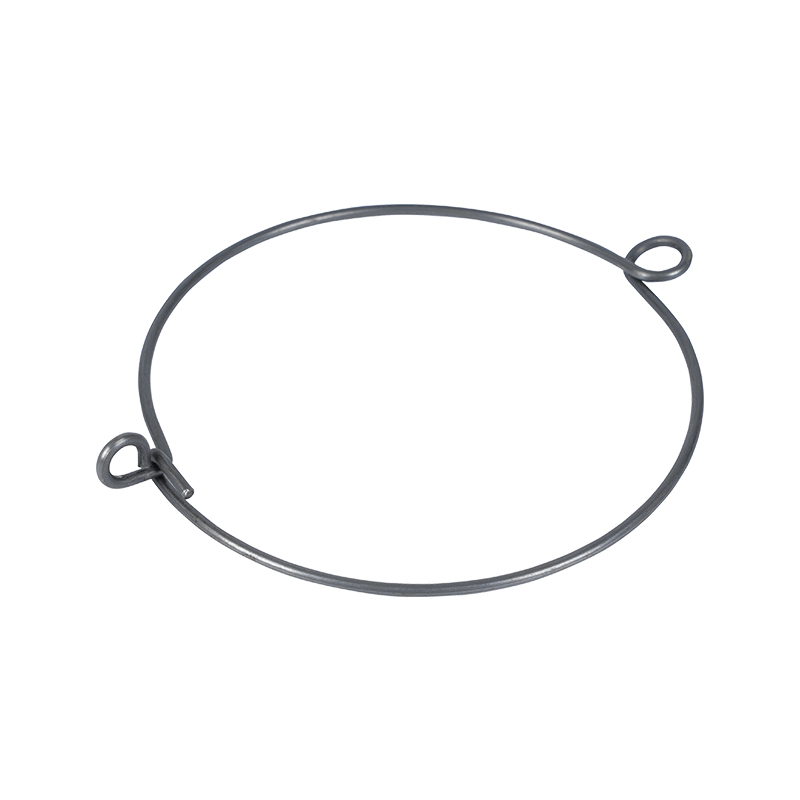

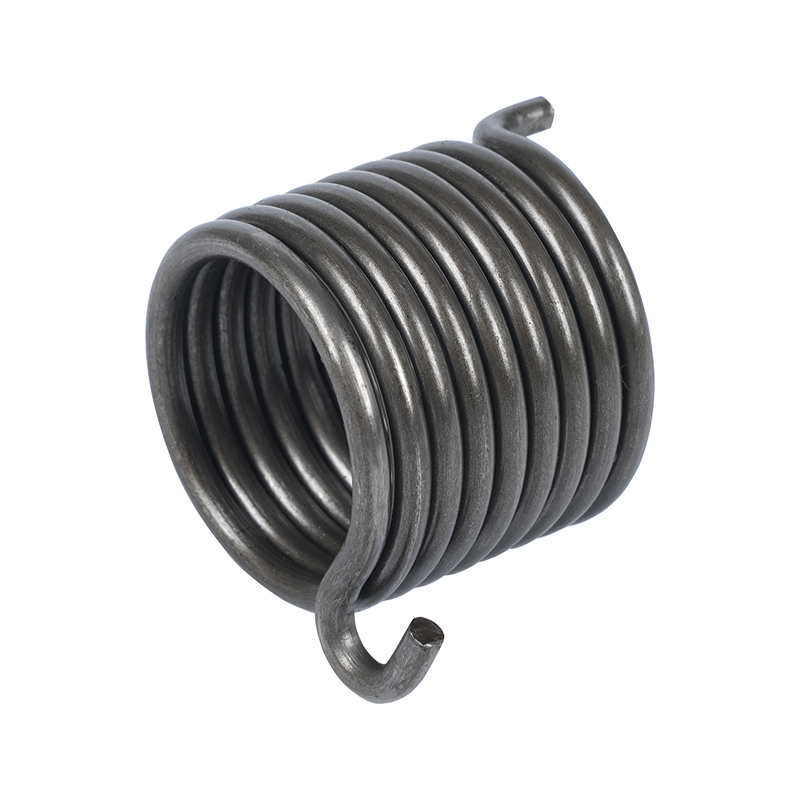
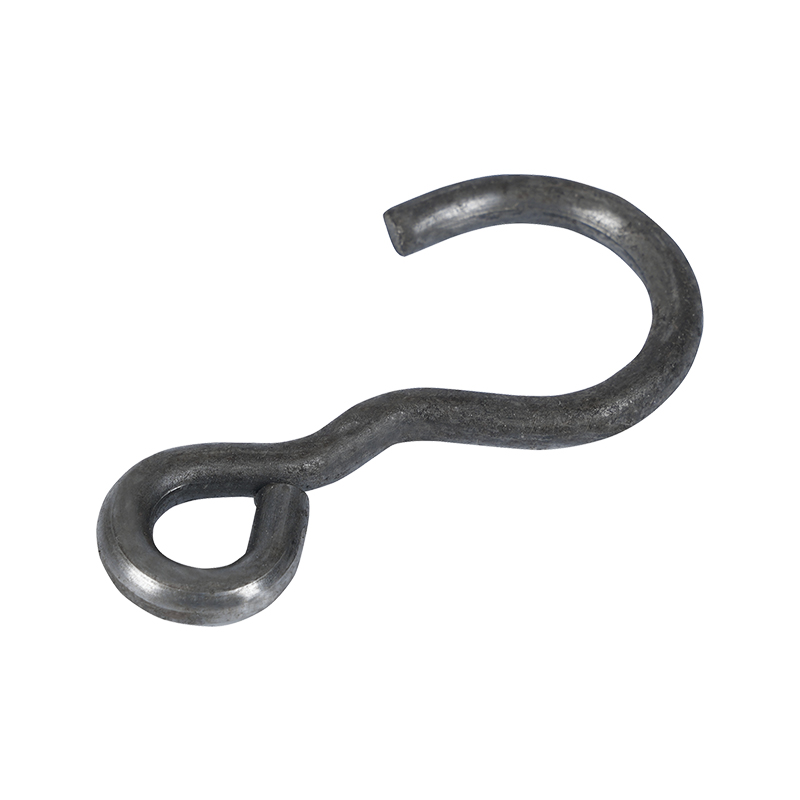
 Yongkang Ruizan Industry and Trade Co., Ltd.
A company specializing in metal stamping and mold design and manufacturing.


- Phone: +86-18072455799
- Email: [email protected]
- Address: No. 23, Qilong Road, Natural Village, Zhiying Town, Yongkang City, Jinhua City, Zhejiang Province, China
Copyright © Yongkang Ruizan Industry and Trade Co., Ltd. All Rights Reserved.

Custom Stamping Sheet Metal Hardware Machining Factory