

 English
 русский
 Español
Revolutionizing Manufacturing with Steel Pipe Fabrication
The Role of Steel Pipes in Modern Industries
Steel pipe fabrication is a vital process in many industries, from construction and oil and gas to automotive and water treatment. Steel pipes are crucial for transporting liquids, gases, and materials, and their fabrication plays a key role in ensuring that the pipes meet the necessary strength, durability, and safety standards. A steel pipe fabrication factory is equipped with specialized tools and machines to process raw steel into pipes that are precisely shaped and finished for use in critical applications.
What Is Steel Pipe Fabrication?
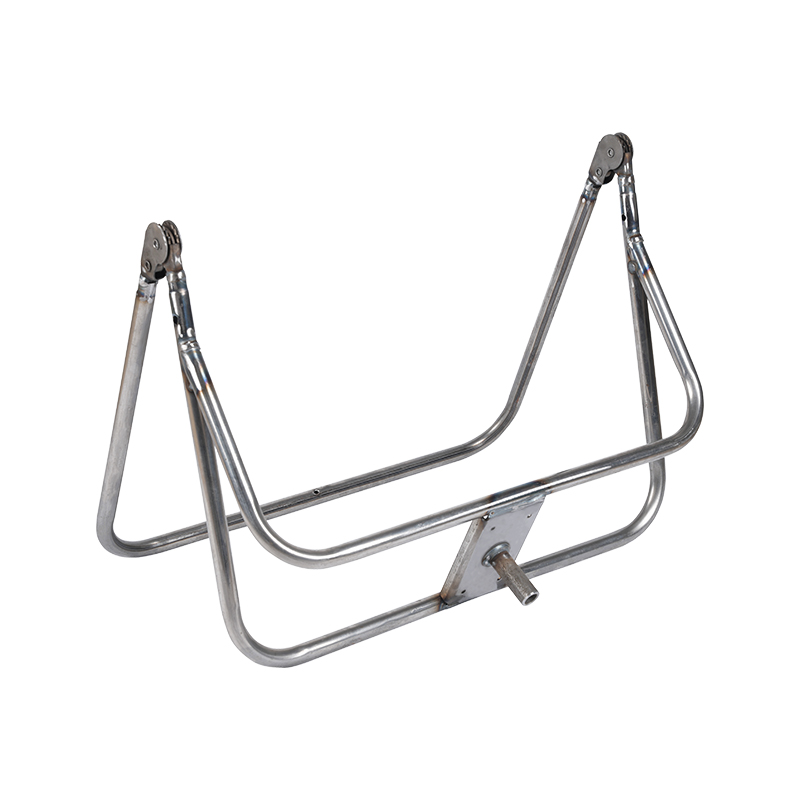
Steel pipe fabrication refers to the process of manufacturing steel pipes by cutting, welding, and shaping raw steel into finished products. The process may involve several stages, such as pipe cutting, bending, welding, and coating, depending on the specific requirements of the application. Fabricated steel pipes are commonly used for fluid and gas transportation, structural support, and in various industrial systems.
Steel pipe fabrication factories are equipped with advanced machinery, such as CNC pipe cutting machines, welding stations, and bending equipment, which are used to shape and join steel components. These factories also focus on maintaining strict quality control measures to ensure that the fabricated pipes meet the necessary standards for strength, durability, and performance.
Key Processes in Steel Pipe Fabrication
Cutting and Sizing
The step in steel pipe fabrication is cutting the raw steel into the required lengths. This is typically done using saws, shears, or high-powered cutting machines. Once the steel is cut, it is ready for further processing to meet the required specifications for diameter, thickness, and length.
Bending and Shaping
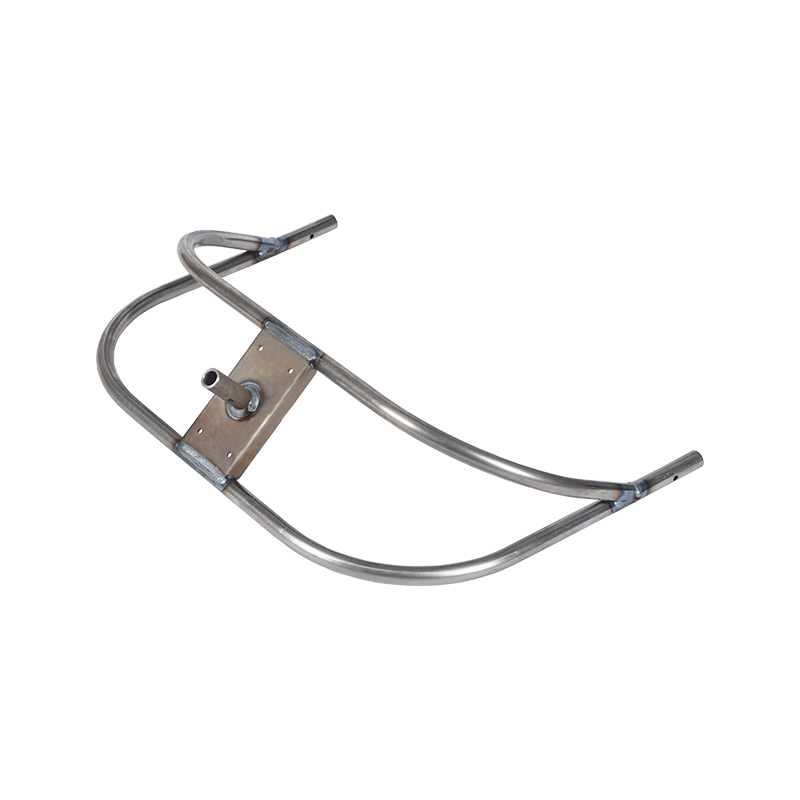
After the pipe is cut, it is often necessary to bend it to fit specific applications. This is where steel pipe fabrication factories use advanced bending machines to create the required angles and curves in the pipe. These machines use controlled pressure and heat to bend the steel without compromising its strength.
Welding and Joining
Welding is a critical part of the fabrication process, especially when longer sections of pipe need to be joined together. Steel pipe fabrication factories use welding techniques such as MIG (Metal Inert Gas) or TIG (Tungsten Inert Gas) welding to join steel pipe sections together, creating strong, seamless joints that are crucial for the pipe’s overall strength and reliability.
Coating and Finishing
Once the steel pipe is fabricated, it often undergoes a coating process to enhance its resistance to corrosion. Steel pipe fabrication factories apply coatings such as galvanizing, epoxy, or powder coating to protect the pipes from rust and wear. Additionally, the pipes may be polished or painted to meet aesthetic or functional requirements.
Benefits of Steel Pipe Fabrication
Durability and Strength
One of the primary advantages of steel pipes is their durability and strength. Steel pipe fabrication ensures that each pipe is manufactured to withstand high pressures, temperatures, and harsh environments. Whether used in the oil and gas industry, construction, or water treatment plants, steel pipes are designed to last for decades with minimal maintenance.
Customization
Another key benefit of steel pipe fabrication is the ability to create pipes that meet specific requirements. Steel pipe fabrication factories can customize the pipes based on factors such as diameter, thickness, length, and coating to suit the needs of various industries. This customization makes steel pipes ideal for specialized applications, such as high-pressure pipelines, structural supports, and fluid transfer systems.
Cost-Effectiveness
While steel pipes can be more expensive than other materials upfront, their longevity and low maintenance costs make them a cost-effective solution in the long run. Steel pipe fabrication factories optimize production processes to minimize waste and reduce the overall cost of manufacturing. This is particularly beneficial for industries requiring large volumes of steel pipes, as it lowers the cost per unit.
Industries That Benefit from Steel Pipe Fabrication
Construction
In the construction industry, steel pipe fabrication is used for structural supports, water and gas pipelines, and fire protection systems. The strength and durability of steel make it the material of choice for critical infrastructure projects that require long-lasting and reliable performance.

 Yongkang Ruizan Industry and Trade Co., Ltd.
A company specializing in metal stamping and mold design and manufacturing.


- Phone: +86-18072455799
- Email: [email protected]
- Address: No. 23, Qilong Road, Natural Village, Zhiying Town, Yongkang City, Jinhua City, Zhejiang Province, China
Copyright © Yongkang Ruizan Industry and Trade Co., Ltd. All Rights Reserved.

Custom Stamping Sheet Metal Hardware Machining Factory