

 English
 русский
 Español
How Do Iron Pipe Hooks Perform Under Different Hanging Loads
Iron pipe hooks are one of those simple parts you only start paying attention to when storage space gets tight. They sit on walls, inside garages, in small utility corners, and quietly handle everyday hanging tasks without drawing attention. In many practical setups, Yongkang Ruizan Industry and Trade Co., Ltd. is sometimes mentioned when people talk about basic metal hook structures used in routine storage environments where simple hanging support is needed.
What makes iron pipe hooks interesting is not the structure itself, but what happens after you actually start using them. A light item feels easy and stable. A heavier tool changes how the hook behaves in a way you can notice during daily handling.
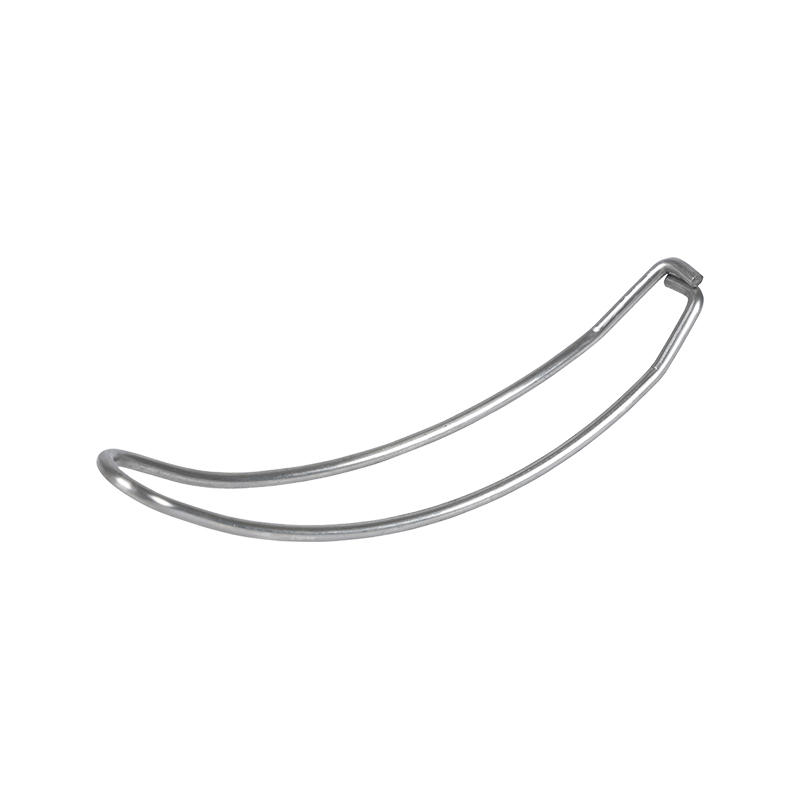
Why Do Iron Pipe Hooks Appear In So Many Everyday Storage Spaces?
If you look around storage areas, you will find iron pipe hooks used in very ordinary ways. Nothing complicated, just direct hanging support for daily items.
They usually appear in places like:
- Garage walls where tools need to stay visible and reachable
- Home corners where bags, cables, or small equipment are stored
- Utility rooms where cleaning tools are kept off the floor
- Simple shelving or display areas for hanging objects
The reason they are used so often is simple. They do not require adjustment or special operation. You install them once, and they immediately start working.
In real life, that kind of "no extra steps" function often matters more than design details.
How Does Hanging Load Influence The Real Performance Of Iron Pipe Hooks?
The behavior of iron pipe hooks changes quietly depending on what is placed on them. It is not just about weight, but also about how that weight sits.
A light object usually hangs without any visible movement. It just stays in place. Once the load becomes heavier, especially if it is not centered, small changes start to appear.
In everyday use, people often notice things like:
- Light items sitting still without shifting
- Medium weight objects needing more careful placement
- Uneven hanging causing slight tilt over time
- Repeated adjustment slowly changing how stable it feels
What matters more than weight alone is balance. If something hangs straight, the hook behaves more predictably. If the load leans to one side, pressure builds unevenly.
That small difference is what users usually notice during daily use rather than any technical detail.
What Happens When Iron Pipe Hooks Carry Continuous Weight Over Time?
In real storage environments, hooks are not used once and left alone. They often hold items for long periods, while also going through small changes like removal, replacement, or adjustment.
Over time, a few practical things may be noticed:
- Slight change in how firmly the hook feels fixed
- Small shifts when items are taken off and put back repeatedly
- Differences in stability depending on how often the load changes
- More noticeable movement when heavier objects are used daily
These changes are gradual. They don't appear suddenly, but build up through repetition.
In many real situations, the combination of constant load and frequent handling has more influence than a single heavy use.
Why Does Size Matter When Choosing Iron Pipe Hooks?
Size is not just about appearance. In daily use, it directly affects how practical the hook feels in a real space.
Smaller hooks usually fit better in tight areas or for light items. Larger ones are used when there is more space or when the object being hung needs extra room.
In practice, people usually decide based on simple observations:
- Narrow spaces tend to need compact hooks
- Open walls allow more flexible sizing choices
- Heavier tools need more hanging room
- Light household items can use smaller contact points
Size also affects how easy it is to arrange multiple hooks together. In real storage planning, people often adjust spacing based on what fits, not on fixed rules.
How Does Weight Capacity Change With Different Hook Shapes?
Even if the material is the same, shape changes how a hook behaves under load. The way it is bent or structured affects how pressure spreads.
Different shapes often feel like this in daily use:
| Hook Shape Type | Load Behavior | Everyday Feel |
|---|---|---|
| Straight Form | Direct support | Simple and predictable holding |
| Curved Form | Spread contact | Better balance for round objects |
| Angled Form | Directional support | Useful in tight corners |
| Reinforced Form | Reduced movement feel | More stable during repeated use |
Straight shapes usually give a direct and clear holding feel. Curved shapes are often more forgiving with irregular objects. Angled designs help when space is limited or placement is not straight.
Many users don't think in technical terms. They just notice which shape feels easier to use for their specific object.
How Do Iron Pipe Hooks Respond To Sudden Load Changes?
In daily environments, items are not always placed gently. Sometimes they are hung quickly or removed in a rush, especially in busy spaces.
During these moments, small reactions can be noticed:
- Quick placement may cause slight movement of the hook
- Sudden removal of heavier items can shift balance briefly
- Repeated fast changes may affect how stable it feels over time
- Slower, controlled placement usually feels more steady
The hook reacts based on how force is applied. Smooth movements tend to keep things stable, while sudden actions can create short moments of imbalance.
With time, many users naturally slow down their movements without even realizing it.
How Do Installation Surfaces Affect Iron Pipe Hooks Performance?
In real use, iron pipe hooks are never working in isolation. The wall or base behind them quietly decides how the whole setup feels. People usually only notice this after some time has passed, when a hook that once felt firm starts to feel slightly different.
A dense, solid wall tends to keep the hook steady. Once installed, daily hanging feels predictable, even when items are added and removed many times. But if the surface is softer, layered, or not fully even, small shifts can show up later, especially under repeated use.
In practical situations, it often looks like this:
- Firm walls keep the hook in place with little change over time
- Softer surfaces may show slight movement after repeated loading
- Uneven mounting areas can affect how weight feels during use
- Differences become noticeable only after real daily routines begin
This is one of those details that people rarely think about during installation, but it becomes clearer through everyday experience rather than explanation.
How Do Environmental Conditions Influence Daily Use Of Iron Pipe Hooks?
Iron pipe hooks are often placed in environments that are not fully controlled. Garages, storage rooms, and utility corners all bring their own small changes in air, moisture, and temperature.
These conditions do not change how the hook works immediately, but they slowly affect how it feels during long-term use.
For example:
- In humid spaces, the surface can feel slightly less smooth over time
- In dry indoor areas, the hook usually keeps a more stable feel day to day
- Dust can build up in small areas and slightly change contact behavior
- Temperature shifts may affect how materials feel during repeated loading
None of these changes happen suddenly. They appear gradually, often only noticed when comparing early use with long-term use.
Because of this, simple habits like occasional wiping or checking contact points often become part of natural maintenance, even without being planned.
How Do People Adjust Storage Habits Around Iron Pipe Hooks?
Once iron pipe hooks are in regular use, people tend to adjust their storage habits without really thinking about it. It happens through small observations during daily routines.
For instance, after some time, it becomes common to:
- Spread heavier items instead of grouping them together
- Move frequently used tools to easier access positions
- Reposition hooks based on how often items are handled
- Separate lighter objects to reduce crowding in one area
These changes are not formal decisions. They come from repeated use. A person hangs something, notices how it feels, and slightly changes the arrangement next time.
In home spaces, this might mean shifting cleaning tools closer to the working area. In workshops, it might mean redistributing tools so weight feels more balanced across the wall.
Slowly, the storage system becomes more aligned with real habits rather than initial placement.
How Do Iron Pipe Hooks Behave In Different Everyday Scenarios?
Iron pipe hooks are used in many different environments, and their behavior feels slightly different depending on where they are placed and how often they are used.
In home storage, usage is usually calm. Items stay in place for longer periods, and changes are less frequent, so the hook feels consistent.
In workshop areas, the situation is more active. Tools are taken down and replaced many times, which makes small differences in stability more noticeable.
In semi-open spaces, environmental influence becomes part of daily use. Air, dust, and moisture slowly interact with both the hook and the mounting surface.
Across these settings, people often notice:
- More stable behavior in low-activity spaces
- More frequent adjustments in busy tool areas
- Slight variation in feel depending on exposure
- Different handling habits forming over time
The hook itself stays the same, but the environment shapes how it is experienced.
How Do Load Patterns Shape Everyday Stability?
In daily life, objects rarely hang in a perfectly balanced way. Bags, tools, and containers often carry uneven weight or shift during use. This creates different load patterns that affect how iron pipe hooks behave.
Common real-world patterns include:
- Centered loads that feel steady and predictable
- Side-heavy items that create slight tilting over time
- Multiple objects sharing one hook and shifting balance
- Frequent removal and replacement changing pressure points
Over time, users naturally begin adjusting how they place items. Heavier tools may be moved closer to the center, while lighter items are grouped together to reduce uneven pressure.
These adjustments are not planned. They develop through repetition and small corrections in daily use.
How Do Iron Pipe Hooks Remain Practical In Everyday Storage?
The continued use of iron pipe hooks comes down to their simplicity. They do not require extra steps, adjustments, or special handling. Once installed, they quietly support everyday storage needs.
In real use, people rely on them because:
- They can be installed quickly and used immediately
- They fit into different spaces without changing structure
- They support flexible storage that can change over time
- They allow direct hanging without extra tools or systems
People do not focus on the hook itself. They only notice whether the object stays in place and whether the space feels organized enough for daily movement.
That simple function is what keeps them useful in many different environments.
Iron pipe hooks behave in a straightforward way under real conditions, but their performance is shaped by surface quality, environment, and everyday handling patterns. Over time, users naturally adjust how they arrange and use them, creating a storage setup that fits real habits rather than fixed planning

 Yongkang Ruizan Industry and Trade Co., Ltd.
A company specializing in metal stamping and mold design and manufacturing.


- Phone: +86-18072455799
- Email: [email protected]
- Address: No. 23, Qilong Road, Natural Village, Zhiying Town, Yongkang City, Jinhua City, Zhejiang Province, China
Copyright © Yongkang Ruizan Industry and Trade Co., Ltd. All Rights Reserved.

Custom Stamping Sheet Metal Hardware Machining Factory