

 English
 русский
 Español
Optimizing Production with Wire Forming Processing Customization
The Growing Need for Wire Forming in Modern Manufacturing
In the evolving landscape of manufacturing, wire forming processing customization has become an essential part of producing precise, high-quality wire components for a variety of industries. From automotive and aerospace to medical devices and electronics, wire forming is critical in creating parts that are integral to the functionality of complex systems. The ability to customize wire forming processes ensures that businesses can meet the specific requirements of their applications while maintaining high standards of quality and performance.
What Is Wire Forming Processing Customization?
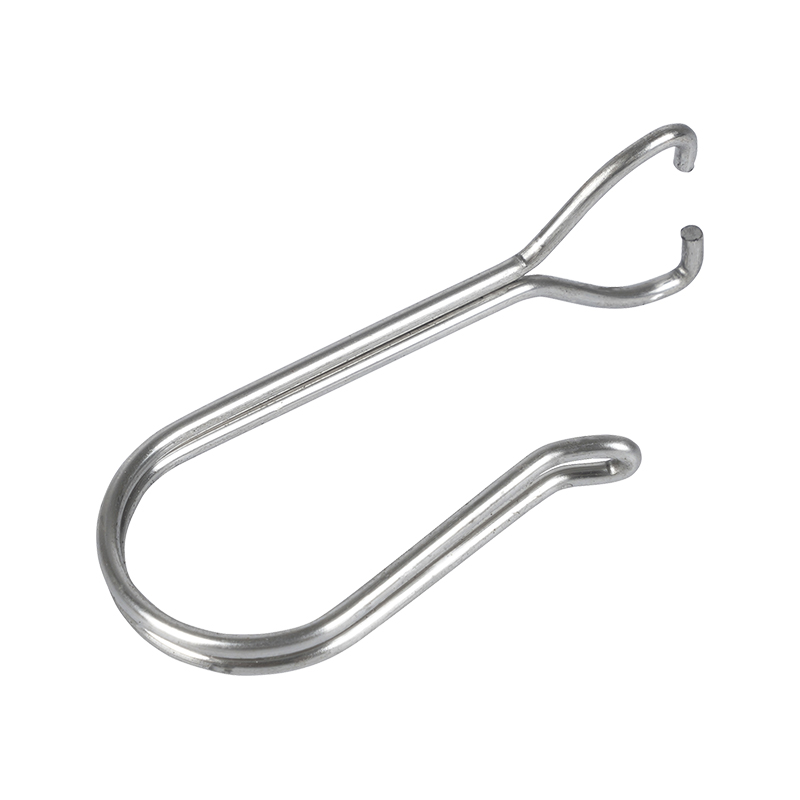
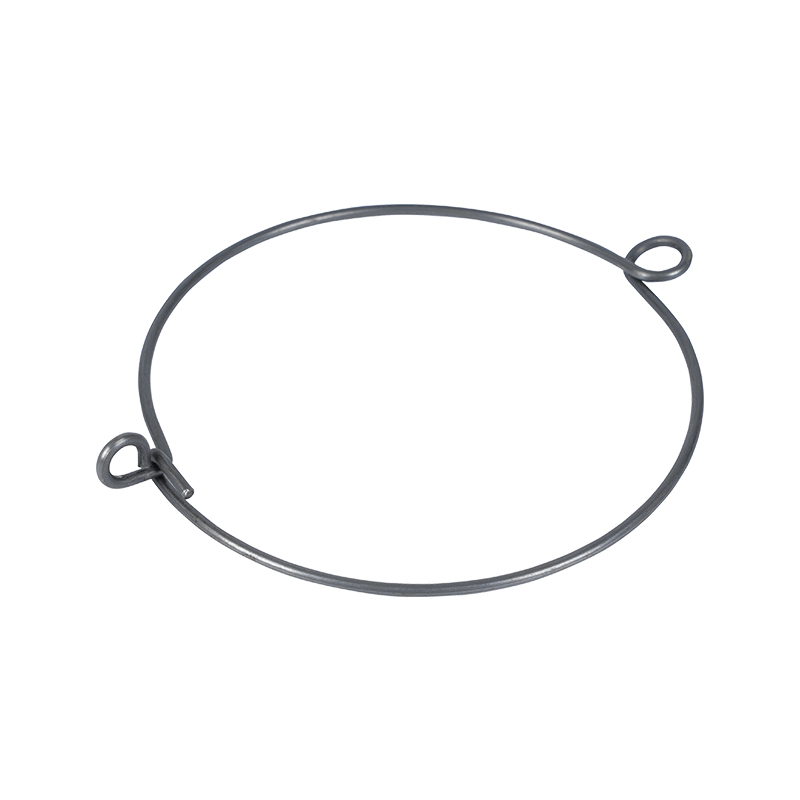
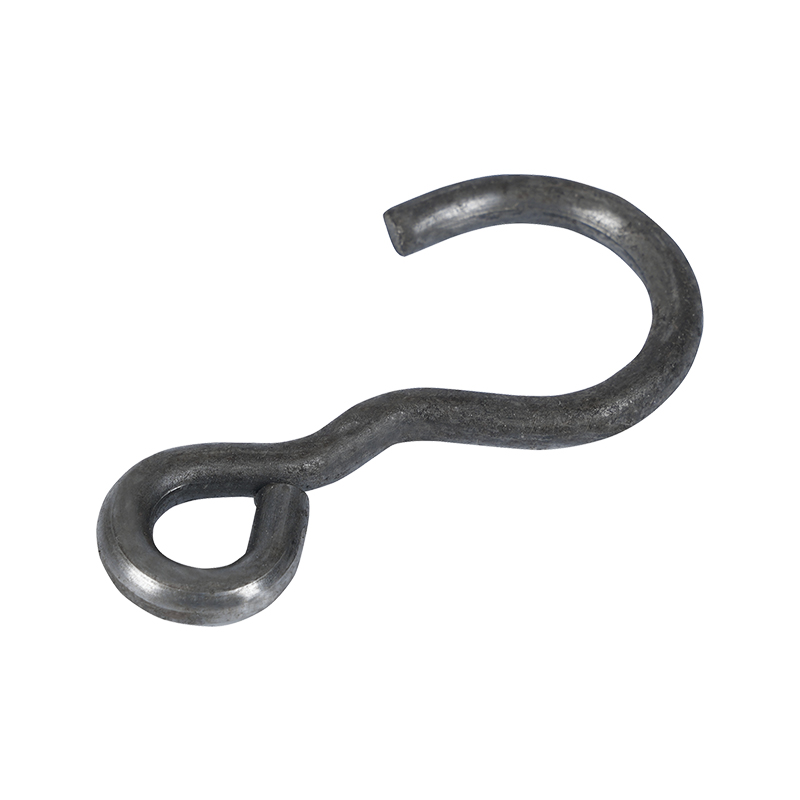
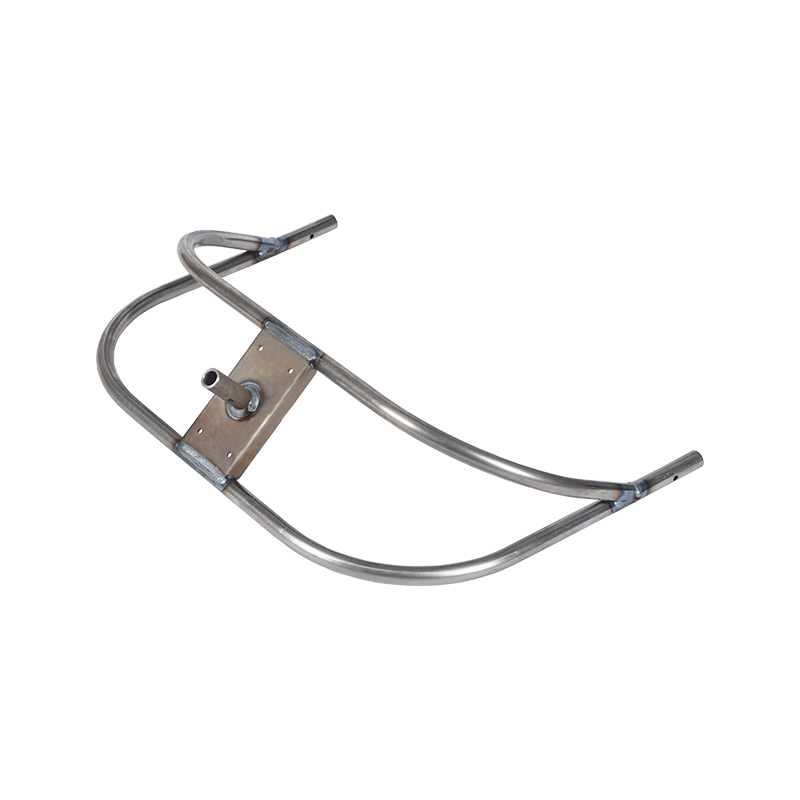
Wire forming processing customization refers to the ability to tailor the wire forming process to meet specific design, material, and functional requirements. It involves shaping wire into various forms, such as coils, loops, brackets, and other complex shapes, using specialized equipment like CNC wire bending machines, spring coiling machines, and wire straightening and cutting machines.
Wire forming is highly versatile and can be used to create everything from simple wire shapes to intricate, multi-dimensional components. The customization aspect allows manufacturers to produce parts that are not only precise but also optimized for their intended applications.
Key Techniques in Wire Forming Processing Customization
Bending and Shaping
The common technique in wire forming processing customization is bending. This involves manipulating the wire to form sharp bends, loops, and curves. Precision bending is used to create components like wire clips, brackets, and connectors. Machines with CNC capabilities can create multiple bends in a single piece of wire, ensuring consistency and accuracy in the final product.
Cutting and Shaping
After bending, wire forming processing customization often involves cutting the wire to the desired length. Precision cutting ensures that each component fits seamlessly into its application. Wire is cut using high-speed machines that deliver clean, accurate cuts, minimizing waste and ensuring that the parts are the correct size for assembly.
Spring Coiling
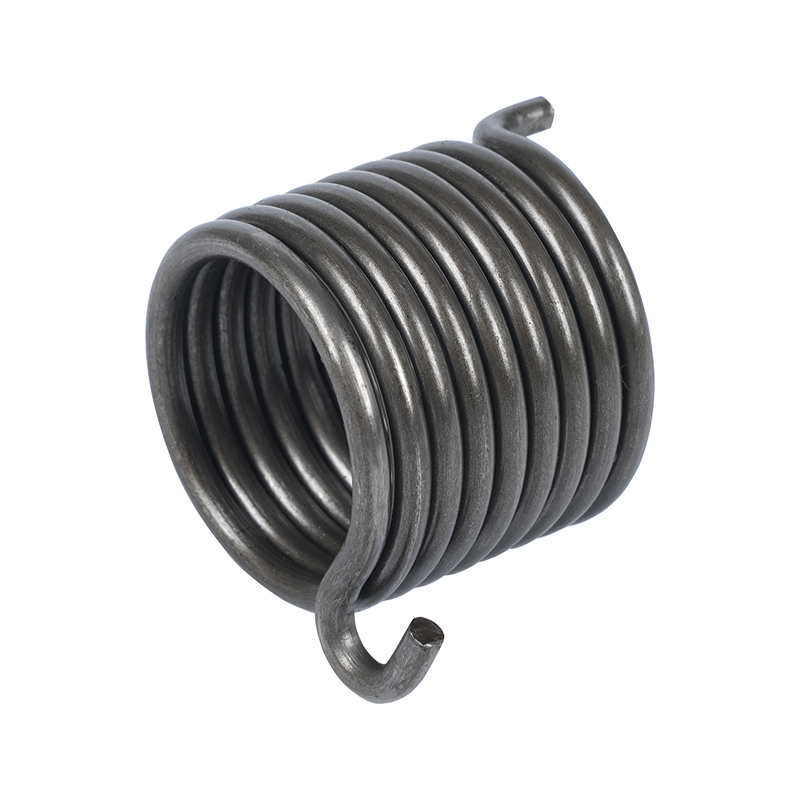
For industries like automotive and electronics, spring coiling is another common wire forming technique. Springs made through wire forming processing are designed to provide tension or compression, depending on the application. Wire forming processing customization allows manufacturers to create springs with specific properties, such as coil diameter, wire thickness, and tension resistance, tailored to meet the needs of different machines or devices.
Assembly and Joining
In some cases, wire components need to be assembled or joined to create more complex structures. Wire forming processing customization can include welding, soldering, or crimping wire components together, providing additional functionality and integration into larger systems. This is common in industries like automotive and electronics, where multiple wire components are needed to complete electrical systems.
Benefits of Wire Forming Processing Customization
Precision and Accuracy
One of the primary benefits of wire forming processing customization is the high level of precision it provides. With the ability to control the shaping, bending, and cutting of the wire, manufacturers can produce parts with exact dimensions and tolerances. This is especially important in industries such as aerospace, where even the smallest error can impact the performance and safety of the final product.
Material Flexibility
Another significant advantage is the ability to work with various materials, including stainless steel, aluminum, copper, and brass. Each material has unique properties, and wire forming processing customization allows manufacturers to choose the wire material for each application. Whether the goal is to create lightweight parts or high-strength components, wire forming provides the necessary flexibility.
Cost-Effective Production
Customizing the wire forming process can cause cost savings in both material and labor. By producing parts with the right specifications in one attempt, manufacturers can reduce waste and minimize the need for rework. Additionally, wire forming processing customization allows for the production of small or medium-sized batches without the need for expensive molds or tooling, making it a cost-effective solution for a wide range of applications.
Industries That Benefit from Wire Forming Processing Customization
Automotive Industry
In the automotive sector, wire forming processing customization is used to produce various components, including wire harnesses, springs, and clips. These parts are critical for the assembly of vehicles, and the precision offered by customized wire forming ensures that they meet the stringent requirements for durability and functionality.

 Yongkang Ruizan Industry and Trade Co., Ltd.
A company specializing in metal stamping and mold design and manufacturing.


- Phone: +86-18072455799
- Email: [email protected]
- Address: No. 23, Qilong Road, Natural Village, Zhiying Town, Yongkang City, Jinhua City, Zhejiang Province, China
Copyright © Yongkang Ruizan Industry and Trade Co., Ltd. All Rights Reserved.

Custom Stamping Sheet Metal Hardware Machining Factory