

 English
 русский
 Español
What Accessories Pair Well with Iron Pipe Hooks
Why Do Iron Pipe Hooks Show Up In So Many Different Spaces?
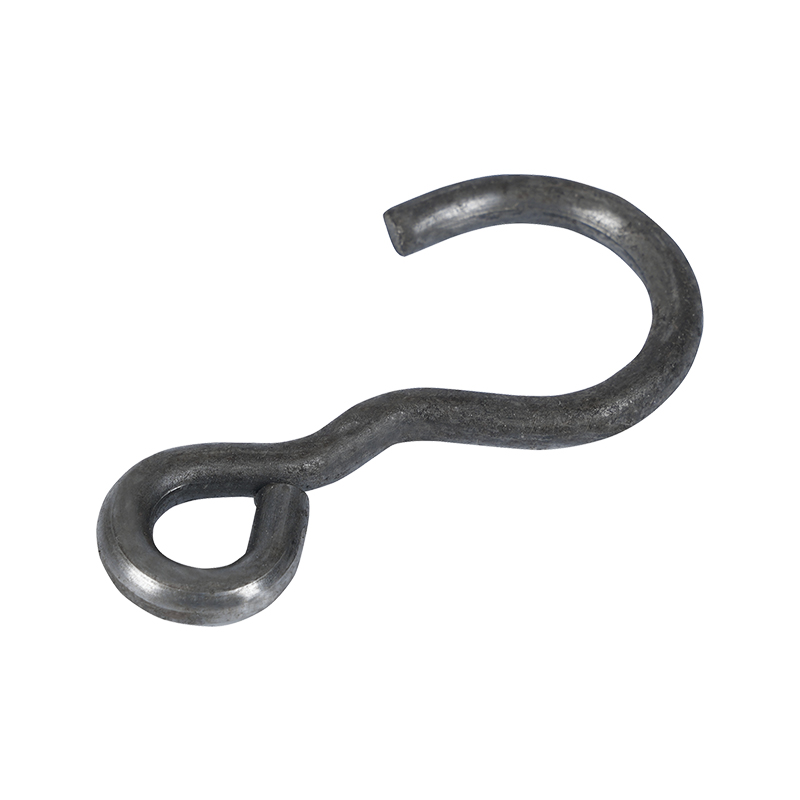
Iron pipe hooks are simple pieces, yet they end up being used in quite a wide range of places. Storage corners, work areas, even small indoor setups often rely on them without drawing much attention. Once fixed onto a pipe frame, they become small hanging points that help organize space in a direct way.
A pipe structure usually acts like the main frame. The hook is added later, almost like a small branch growing out of that frame. Items then find a place to hang instead of sitting on flat surfaces. That alone changes how space is used.
Different spaces treat these hooks in different ways. Some areas only need light hanging use. Others deal with heavier objects and more frequent handling. The same hook can behave differently depending on how the frame is built around it.
Typical reasons for using iron pipe hooks:
- turning empty wall sections into usable space
- adding hanging points to pipe frames
- keeping tools or items within easy reach
- reducing clutter on flat surfaces
- building simple storage layouts without complex structures
The hook itself does not do much alone. Its role only becomes clear once it joins a pipe system and starts carrying real use.
How Do Iron Pipe Hooks Work With Shelving Systems?
Iron pipe hooks often sit beside shelving made from pipe frames. Shelves handle flat storage, while hooks handle hanging space. Together, they form a mixed layout instead of a single storage style.
Once hooks are added, space starts to feel more layered. Items can stay on shelves, or hang below them. Some even sit between pipe sections, depending on how the frame is arranged.
Weight handling is part of the structure. Anything placed on a hook transfers force into the pipe frame. When the structure is balanced, that force spreads instead of concentrating in one spot.
Simple points in how they interact:
- hooks attach directly to pipe frames
- load moves from hook into supporting pipes
- spacing affects balance across the structure
- shelves and hooks share the same frame support
- overall frame steadiness depends on distribution
Without hooks, pipe shelving stays mostly flat in use. With hooks added, the same frame starts handling vertical space as well.
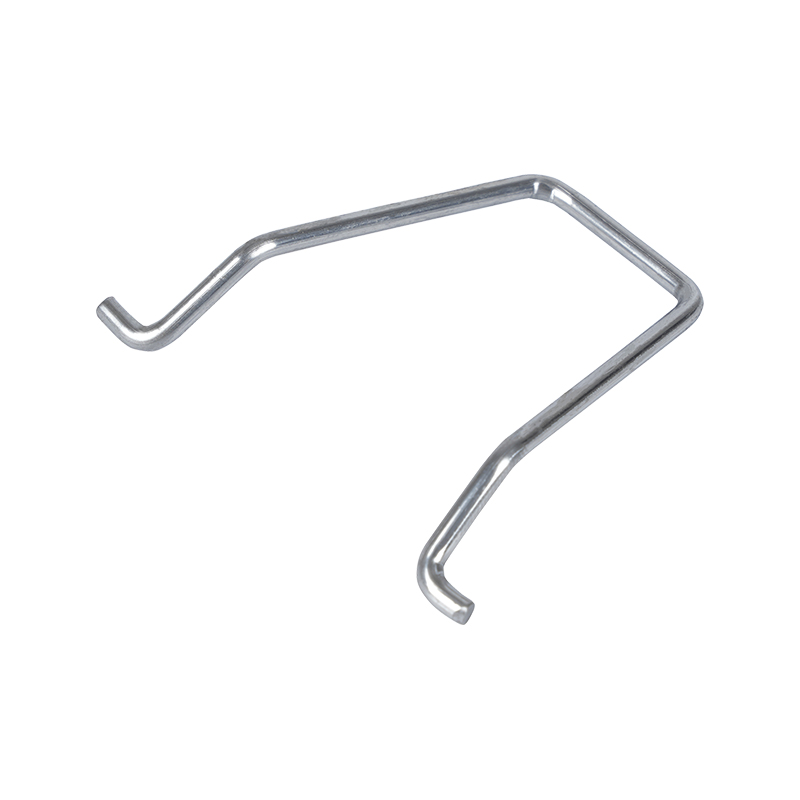
What Accessories Usually Go With Iron Pipe Hooks?
A hook system is rarely just hooks. It normally includes several small fittings that hold everything together. Each piece plays a part in keeping the structure usable and steady.
Some parts connect pipes. Some add strength. Some simply finish open ends so the structure feels complete.
Common matching parts:
- pipe connectors for joining sections
- elbow fittings for direction changes
- support brackets for reinforcement
- base plates for wall or surface fixing
- end caps for closing pipe openings
A quick view of how they relate:
| Part Type | Simple Role | How It Works With Hooks |
|---|---|---|
| Connectors | link pipes together | create hook mounting points |
| Brackets | support structure | reduce load stress around hooks |
| Base plates | fix frame in place | keep whole system steady |
| End caps | close pipe ends | finish exposed sections |
Hooks depend on these parts more than it seems. Without them, the system loses stability and structure.
How Does Material Fit Affect Hook Systems?
Material choice shapes how iron pipe hooks behave once installed. When all parts feel similar in strength and surface behavior, the structure usually stays more consistent under load.
Iron-based parts tend to carry weight well. Still, contact points between parts matter over time. If surfaces differ too much, wear can appear uneven where parts meet or press against each other.
Material matching usually involves:
- balance of hardness between connected parts
- behavior under repeated load
- surface interaction during long use
- small wear patterns at contact points
- steady fitting between accessories
A system that feels "smooth" in use is often the result of small material details rather than visible structure.
Why Does CNC Parts Processing Factory Matter Here?
Iron pipe hook systems rely on fittings that must match closely. A CNC Parts Processing Factory helps shape those parts with controlled precision so they fit together without forcing or gaps.
Even a small difference in size can change how stable a joint feels once installed. That is why consistency in machining matters more than appearance.
Surface finishing also plays a quiet role. When surfaces are smoother, parts connect with less friction. That makes assembly easier and helps reduce uneven pressure points.
Key production focus areas:
- accurate shaping of connector parts
- consistent size across repeated production
- smooth surface finishing for fitting ease
- edge treatment for safer handling
- alignment control during machining
When parts are made with steady precision, the whole pipe hook system becomes easier to assemble and more predictable in use.
How Are Iron Pipe Hooks Used In Indoor Space Layouts?
Inside rooms, iron pipe hooks are often used to turn empty space into organized storage without changing the structure of walls or floors. They attach to pipe frames that can be arranged in different shapes depending on need.
Hooks can hold tools, hang storage items, or support small display setups. Their position can also be adjusted along the pipe, which makes the layout flexible without rebuilding anything.
Common indoor uses:
- wall-mounted pipe storage frames
- hanging tool organization setups
- modular display structures
- combined shelf and hook systems
- vertical space utilization setups
What Happens When Iron Pipe Hooks Are Used In Real Working Conditions?
Once iron pipe hooks are installed and start carrying daily use, the system behaves a bit differently from how it looks during setup. Weight is not always steady. Items get added, removed, or shifted. That movement slowly changes how pressure travels through the pipe frame.
A hook may hold light tools one moment, then carry heavier items later. The pipe structure underneath absorbs those changes. If spacing is uneven, some points take more load than others. Over time, that difference becomes noticeable in how the frame feels when touched or adjusted.
In many working spaces, small adjustments happen naturally:
- items get repositioned during use
- hooks are moved along the pipe line
- load shifts from one section to another
- storage layout changes with daily habits
Nothing stays completely fixed. The system adapts through repeated small changes instead of redesign.
How Do Iron Pipe Hooks Support Multi Layer Storage Ideas?
Pipe hook systems often grow beyond a single line of storage. Once users start placing hooks at different heights or positions, space becomes layered instead of flat.
Upper sections may hold lighter items. Lower sections may carry tools or frequently used objects. Between these layers, shelves or cross pipes often appear, creating a mixed storage structure.
This layered setup helps reduce surface clutter. Instead of spreading items across tables or floors, objects move into vertical zones.
Common layering patterns:
- upper hooks for light storage
- mid-level hooks for regular access items
- lower sections for heavier objects
- mixed hook and shelf combinations
- side placements for secondary storage
The structure becomes more about direction in space than just storage capacity.
How Does Surface Treatment Influence Hook System Behavior?
Surface condition of iron pipe hooks and related fittings plays a quiet role in long-term use. Even when strength remains unchanged, surface changes can affect how parts feel when connected or adjusted.
Coated surfaces may reduce direct metal contact, which helps slow down wear at connection points. At the same time, smoother surfaces make assembly easier and reduce friction when parts are tightened or repositioned.
Surface influence often shows up in small ways:
- smoother fitting during installation
- slower wear at contact points
- more consistent connection feel
- reduced resistance during adjustments
- cleaner appearance in visible setups
Over time, surface condition becomes part of how stable the system feels, even if structure stays the same.
What Challenges Appear In Long Term Use Of Iron Pipe Hook Systems?
With time, any installed system begins to show small changes. Iron pipe hook setups are no different. Continuous load, movement, and environmental exposure slowly affect how parts behave.
One common issue is slight loosening at connection points. Repeated weight changes can shift how tightly parts sit together. Another is surface wear, especially in areas where hooks carry frequent load changes.
In spaces with regular adjustments, alignment may also shift a little. Pipes and hooks that were once evenly spaced may feel slightly off after repeated use.
Typical long term changes include:
- minor loosening at joints
- surface wear at hook contact areas
- alignment shifts in modular setups
- uneven load distribution over time
- small changes in system stability feel
These changes do not happen suddenly. They build slowly through repeated use and adjustment.
How Do Design Choices Affect Flexibility And Expansion?
One of the practical aspects of iron pipe hook systems is how easily they can expand. Additional hooks, pipes, or fittings can be added without changing the entire structure.
A well-planned system leaves room for change. Extra pipe sections can be connected. Hooks can slide or be repositioned. Accessories can be added when storage needs increase.
Flexibility usually depends on early design choices:
- spacing left for future hook additions
- connector points for expansion
- balance between fixed and adjustable sections
- compatibility between accessories
- ease of repositioning without full disassembly
Instead of being a fixed structure, the system often behaves more like a framework that can grow or shift over time.
How Do CNC Parts Processing Factory Standards Influence System Expansion?
When parts come from a CNC Parts Processing Factory, consistency in size and shape helps future expansion. If fittings match closely, new components can be added without forcing adjustments or rework.
Accurate machining means connectors align properly even after long periods. That becomes important when systems are expanded step by step instead of all at once.
In practical use, consistency supports:
- smoother addition of new hooks or pipes
- stable connection between old and new parts
- reduced mismatch during expansion
- predictable fitting across batches of components
Over time, this consistency makes the system easier to modify without disrupting existing structure.
Iron pipe hooks sit in a simple position inside a larger structure, yet their role grows once the system starts being used. They connect storage, support load, and shape how space is divided.
When combined with pipes, shelves, and fittings, they become part of a flexible layout that changes with need rather than staying fixed. Each adjustment slightly reshapes how space is organized, making the system feel more like a working framework than a static setup.

 Yongkang Ruizan Industry and Trade Co., Ltd.
A company specializing in metal stamping and mold design and manufacturing.


- Phone: +86-18072455799
- Email: [email protected]
- Address: No. 23, Qilong Road, Natural Village, Zhiying Town, Yongkang City, Jinhua City, Zhejiang Province, China
Copyright © Yongkang Ruizan Industry and Trade Co., Ltd. All Rights Reserved.

Custom Stamping Sheet Metal Hardware Machining Factory