

 English
 русский
 Español
What Is CNC Processing Service And How Does It Support Stainless Steel Parts Production
How CNC Processing Service Fits Into Modern Manufacturing Flow
CNC Processing Service is often placed quietly in the middle of a production line, yet it has a strong effect on how a metal part finally performs. Raw stainless steel usually enters the workshop as a simple block, bar, or sheet, then passes through a controlled machining stage where shape, size, and surface condition begin to take form. In many factories, that step acts as the bridge between material supply and final assembly.
The process starts from a digital drawing rather than from hand shaping. A file is prepared, tool movement is planned, and the machine follows that path with steady control. Because the movement is guided by instructions, the result stays more consistent from one part to another. That matters in stainless steel work, where a small shift in shape can affect fit, sealing, or strength.
A typical workflow often includes a few linked stages:
- design preparation in digital form
- clamping and alignment of the raw piece
- tool path arrangement
- controlled cutting and reshaping
- surface correction and edge treatment
The value of CNC Processing Service is not limited to cutting metal. It also helps production stay organized. A part can move through the same process route again and again, while the machine repeats the same actions with little change in behavior. For stainless steel components, that kind of regularity supports stable output and easier follow-up work in later stages.
What Defines CNC Processing Service in Industrial Use
In industrial language, CNC Processing Service refers to machining that follows programmed instruction rather than hand-guided movement. The machine does not guess the route. It receives a path, a cutting depth, and a sequence, then carries out the work in a fixed pattern. That structure gives the process a clear role in metal manufacturing.
Inside the system, the cutting tool, control unit, and motion parts work together. The machine reads the instructions and moves the tool along planned directions. Depending on the part shape, the tool may move in straight lines, curves, or repeated passes over the same area. Each pass removes a controlled layer of material until the required form appears.
In daily production use, the service is often applied to tasks such as:
- shaping outer profiles
- forming holes and slots
- cutting threads for joining parts
- adjusting flatness and edge condition
- cleaning up rough surfaces after initial shaping
The method is useful because it can handle more than one style of component. It may shape a simple round piece one day and a more complex structural part the next. Stainless steel fits into that flow well, since it keeps its form under pressure and can be machined into pieces that need a firm structure.
Why Stainless Steel Is Common in CNC Processing Service Applications
Stainless steel appears often in machining work because it gives a steady response during cutting. It is not a soft material that changes shape too easily, and it is not so fragile that it breaks under ordinary processing force. That balance makes it suitable for parts that need a firm structure after machining.
There are several reasons behind its common use:
- it stays stable under cutting pressure
- it keeps its shape during repeated tool contact
- it can support different part types and sizes
- it offers a reliable surface for later use
During machining, heat can build up where the tool touches the metal. Stainless steel needs careful control in that moment, since too much friction can affect surface condition and tool life. For that reason, CNC Processing Service usually relies on planned movement, adjusted cutting steps, and steady handling rather than quick or rough shaping.
CNC Stainless Steel Parts are often chosen in structures that face contact, movement, or load. They may sit inside mechanical assemblies, sit near fluid paths, or support other components that depend on shape accuracy. In those cases, the metal needs to hold both form and function, and stainless steel usually handles that need with acceptable stability.
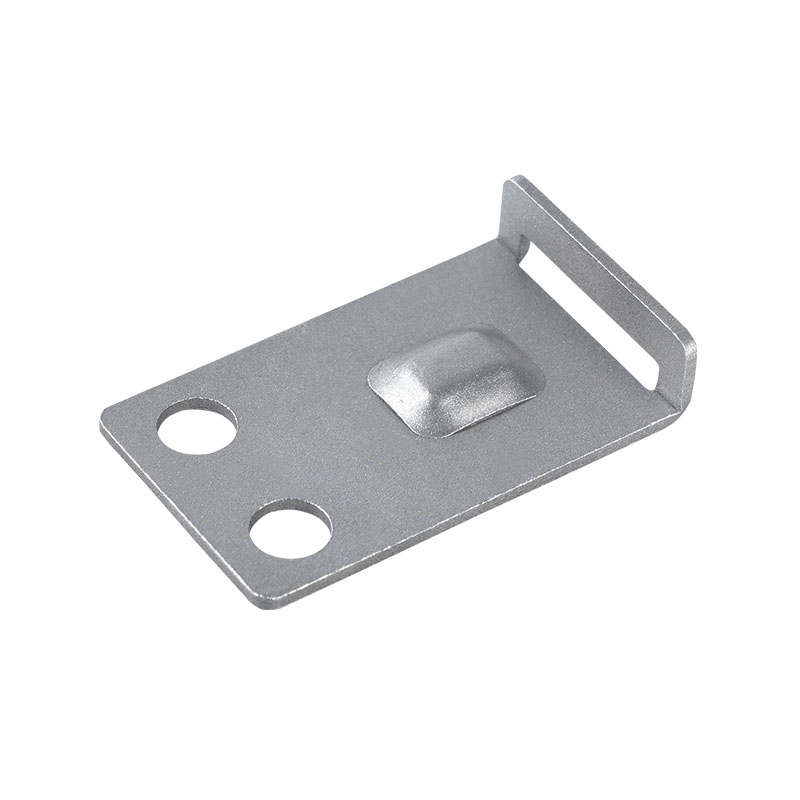
How CNC Stainless Steel Parts Are Formed Through Multi Step Machining
The making of CNC Stainless Steel Parts is usually a gradual process. Material is removed in stages rather than all at once, and each stage has a different purpose. Some steps create the rough shape, while later steps bring the piece closer to the expected finish.
Material Preparation Stage
The raw piece is cleaned, measured, and fixed in place. Positioning matters here because any shift during machining can affect the final shape. A stable setup gives the tool a proper starting point.
Rough Shaping Stage
At this point, large sections of material are cut away. The part begins to take form, although the surface still looks unfinished. Accuracy is useful here, yet the main goal is to move from raw stock toward a workable outline.
Detail Refinement Stage
Once the rough shape is in place, the machine follows more precise paths. Internal areas, edges, curves, and connection points are brought closer to their intended form. This stage often takes more attention because it affects how well the part will fit in later assembly.
Surface Adjustment Stage
Final passes smooth the surface and reduce visible tool marks. Small corrections may be made here to bring the part into better alignment with the drawing.
| Stage | Main Action | Result |
|---|---|---|
| Preparation | Fixing and alignment | Stable setup |
| Rough shaping | Bulk material removal | Basic outline |
| Refinement | Detail correction | Near-final form |
| Surface adjustment | Final finishing | Completed part |
Key Machining Methods Used in CNC Processing Service
Different machining actions are used depending on the shape of the part and the role it needs to play. A single production run may involve several methods, each one handling a different part of the geometry.
Turning Operations
Turning is used when the workpiece needs a round or symmetrical form. The material rotates while the cutting tool removes outer layers. That makes it suitable for shafts, rings, sleeves, and similar shapes.
Milling Operations
Milling is more flexible in shape control. The tool moves across a fixed workpiece and can create flat faces, slots, recesses, and more irregular outlines. It often appears in parts with mixed surfaces.
Drilling Operations
Drilling forms holes in fixed positions. These holes may support joining, fastening, venting, or fluid movement, depending on the part design.
Threading Operations
Threading creates the surface needed for screw-type connection. It helps stainless steel parts connect with other components through a stable mechanical fit.
Surface Refinement
After the main shaping is done, lighter machining can smooth the finish and improve the feel of the surface. This step may seem small, yet it often affects how the part works in real use.
A part may pass through more than one method before leaving the machine area. That combination gives CNC Processing Service its practical value in stainless steel work, since different shapes rarely come from a single action alone.
| Machining Action | Function | Output Feature |
|---|---|---|
| Turning | Rotational shaping | Circular form |
| Milling | Multi-direction cutting | Flat or shaped surfaces |
| Drilling | Hole formation | Internal openings |
| Threading | Connection creation | Screw-like structure |
| Surface refining | Texture adjustment | Smoother finish |
In real production, these actions are often mixed. A stainless steel part may start with turning, move into milling, then receive drilling and surface refinement before it is ready for the next stage. That layered approach helps the finished piece match both shape and function without relying on one simple operation.
How Design Input Shapes the Machining Result
The design file influences nearly every part of the process. It tells the machine where to cut, how deep to go, and what order to follow. Even small design changes can affect the route of the tool and the amount of time needed for each stage.
Several design points usually matter:
- wall thickness
- opening position
- curve direction
- connection method
- surface requirement
A simple shape can follow a short machining route. A more complex one may need more passes, more tool changes, and more careful surface control. For stainless steel work, that planning helps avoid unnecessary rework and keeps the part closer to the intended form from the beginning.
CNC Processing Service depends on that link between design and motion. Without a clear file, the machine has no reliable path to follow. With a clear one, the system can reproduce the same part shape again and again with a controlled level of variation.
Role of Automation and Programming in CNC Processing Service
A machining center can cut metal for hours without anyone touching the controls, yet every movement comes from work completed long before the machine starts. Before a piece of stainless steel reaches the cutting area, machining routes have already been arranged, tool positions have been checked, and the order of operations has been decided.
That preparation changes the nature of the work. Operators spend less time guiding tools by hand and more time reviewing machining plans, checking setups, and monitoring production conditions.
For stainless steel parts, planning becomes especially important. Some areas of a component may need several cutting passes, while other areas only need light machining. A good program separates those tasks and places them in a practical order.
Typical planning work may include:
- selecting machining sequences
- arranging tool changes
- setting cutting depths for different features
- defining paths around corners and openings
- reducing unnecessary machine movement
In many workshops, the value of automation is not simply faster production. A predictable process is often just as important. When the same instructions are used again, the resulting parts tend to follow the same shape and dimensions, making later assembly work easier to manage.
Quality Consistency Factors in CNC Stainless Steel Parts Production
Quality is rarely decided by a single operation. It is usually the result of many small decisions made throughout production.
A stainless steel component may look acceptable after rough machining, yet small variations can still appear during later stages. An uneven setup, a worn cutting edge, or slight movement in the material can gradually affect the finished result.
For that reason, machining teams often pay attention to details that seem minor:
- how firmly the material is clamped
- whether the cutting tool remains in good condition
- how stable the machine runs during long operations
- whether measurements stay within the planned range
- how the surface looks after each stage
Inspection is often woven into the workflow rather than left until the end. A part may be checked after a major machining step, then checked again before surface finishing. Finding a small issue early usually saves time compared with correcting it after every operation has been completed.
Stainless steel brings its own challenges as well. Heat, friction, and tool contact all influence the surface. A component may meet dimensional requirements while still requiring additional attention to improve its finish. Because of that, quality control often looks at more than measurements alone.
Industrial Applications of CNC Stainless Steel Parts
Machined stainless steel parts appear in places that many people never see. Some are hidden inside equipment frames. Others sit within moving assemblies or support structures that operate behind protective covers.
The size of the part is not always related to its importance. A small spacer, sleeve, or threaded connector may have a direct effect on how larger assemblies fit together.
Common examples include:
- support components inside mechanical structures
- mounting parts used during assembly
- connection pieces between separate systems
- housings that protect internal mechanisms
- guide elements that control movement paths
One reason stainless steel remains widely used is its ability to serve different purposes without requiring major changes to the production process. A workshop may machine simple brackets one day and more detailed components the next while still working with the same material family.
That flexibility helps CNC Processing Service remain relevant across a broad range of manufacturing sectors.
Integration of CNC Processing Service in Supply Chains
From a supply chain perspective, CNC machining often functions as a conversion stage. Raw material enters in a standard form and leaves as a part with a specific purpose.
The process sits between two very different activities. On one side is material supply. On the other side is assembly, installation, or further processing.
| Production Stage | Main Purpose |
|---|---|
| Material Supply | Provide raw stock |
| CNC Machining | Create required geometry |
| Inspection | Verify dimensions and features |
| Surface Processing | Improve appearance or function |
| Assembly | Combine parts into larger systems |
As a result, CNC Processing Service often becomes a meeting point between engineering plans and practical manufacturing needs.
How Production Efficiency Is Influenced in CNC Processing Service
Production efficiency is often discussed in terms of machine time, though the picture is usually more complicated.
A machine may complete cutting operations quickly, yet delays elsewhere can still slow the overall workflow. Material preparation, tool replacement, inspection, and part handling all contribute to the final pace of production.
Several factors regularly affect efficiency:
- preparation work before machining begins
- frequency of tool changes
- complexity of part geometry
- amount of material removed during cutting
- finishing requirements after machining
A simple component generally moves through production with fewer interruptions. More detailed parts often require additional setups and closer monitoring.
Stainless steel also influences the workflow. Tool wear tends to receive greater attention because cutting conditions can affect both surface quality and machining stability. Careful planning often reduces unnecessary interruptions and helps maintain a smoother production rhythm.
Many workshops focus on balancing quality and productivity rather than pushing either one to an extreme. A stable process usually produces more reliable long-term results than one built entirely around speed.
Emerging Tendencies in CNC Stainless Steel Parts Manufacturing
Part designs have changed noticeably over time. Components that were once relatively straightforward now often contain multiple features within a single piece. Internal openings, angled surfaces, recessed sections, and mounting features may all appear together.
That shift places greater demands on machining planning.
Several developments can be seen across manufacturing environments:
- closer links between design files and machine programming
- increased use of detailed part geometries
- greater attention to surface condition after machining
- stronger focus on repeatable production results
- wider adoption of multi-stage machining routes
Rather than relying on a single cutting operation, many parts now pass through several machining stages before completion. Each stage contributes a different feature, gradually building the final form.
Stainless steel continues to be a common choice in such work because it supports a wide variety of part designs. Whether the component is simple or complex, the material can usually be adapted to different machining strategies without changing the overall production approach.
The relationship between CNC Processing Service and CNC Stainless Steel Parts is built around practical manufacturing needs. One provides the machining capability, while the other provides a material suitable for a wide range of industrial applications.
Every finished component reflects a chain of decisions. Material selection, machining routes, cutting tools, inspection methods, and surface treatment all contribute to the final result. No single stage works alone.
In many production environments, success comes from maintaining control throughout the process rather than relying on any individual operation. When preparation, machining, and inspection work together, stainless steel can be shaped into components that meet the requirements of everyday industrial use.

 Yongkang Ruizan Industry and Trade Co., Ltd.
A company specializing in metal stamping and mold design and manufacturing.


- Phone: +86-18072455799
- Email: [email protected]
- Address: No. 23, Qilong Road, Natural Village, Zhiying Town, Yongkang City, Jinhua City, Zhejiang Province, China
Copyright © Yongkang Ruizan Industry and Trade Co., Ltd. All Rights Reserved.

Custom Stamping Sheet Metal Hardware Machining Factory