

 English
 русский
 Español
What Are Custom Metal Stamping Parts Used For In Industry
What Are Custom Metal Stamping Parts and Why Do They Appear in Industrial Systems
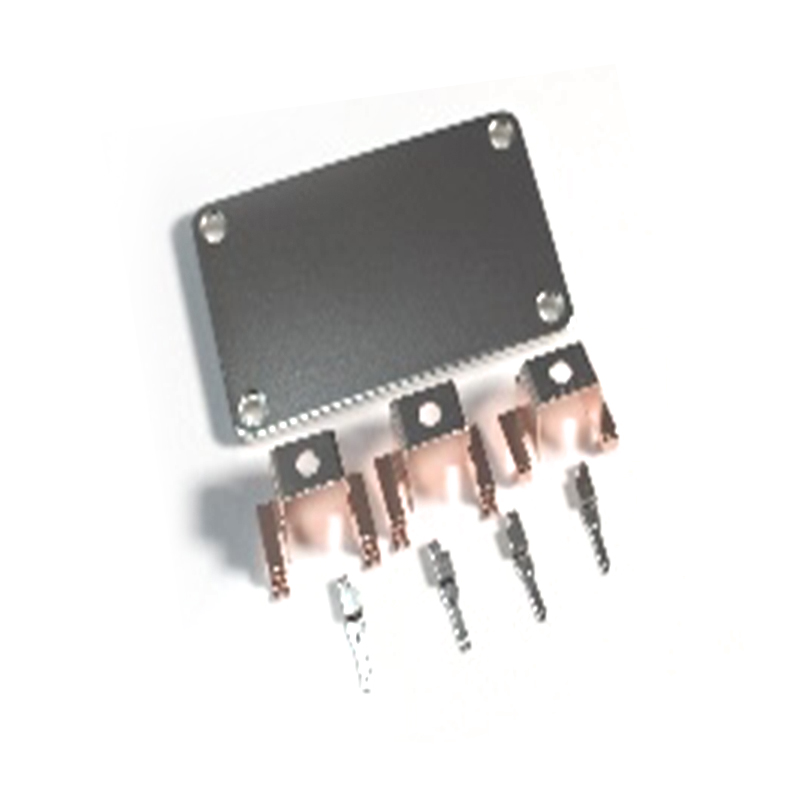
Custom Metal Stamping Parts are metal pieces shaped from flat sheets through pressing and forming. The material starts as a simple sheet, then takes shape under force from molds designed for specific structures. In many machines, space inside is tight and layered, so flat metal alone cannot meet the internal layout needs. Stamping turns that flat sheet into brackets, clips, frames, and connectors that fit directly into those spaces.
Inside equipment, movement is often limited to narrow gaps and curved housings. A standard shape rarely matches those conditions. That is where stamping becomes useful. Metal can be bent, cut, and formed into shapes that follow the inside structure of a device rather than forcing the device to adjust around the part.
In many production lines, stamped components are not the final stage. After forming, some pieces move into CNC Parts Processing Factory workflows for trimming or hole correction. Small adjustments help parts sit properly during assembly, especially in machines where alignment decides whether motion feels smooth or uneven.
How Are Custom Metal Stamping Parts Manufactured in Real Production Environments
The forming process begins with sheet metal placed into a stamping setup. A press pushes the material into a shaped die, forcing it to take a new form. No melting happens during the process. The metal keeps its solid structure while changing shape under pressure.
Production usually follows a repeated rhythm rather than a single step. One pass creates a basic form, another pass sharpens edges or adjusts curves. Some parts need several forming cycles before reaching a usable shape.
A simple flow can look like this:
- Sheet cleaning and positioning
- Initial pressing into rough shape
- Secondary pressing for detail correction
- Edge trimming or hole forming
- Basic inspection before next stage
After stamping, edges may feel slightly rough or uneven. In that stage, CNC Parts Processing Factory steps in to refine areas that need tighter control, such as mounting holes or contact surfaces. That combination of forming and machining keeps parts usable in compact assemblies where small deviations matter.
Surface finishing often follows. Coating or polishing helps reduce wear once the part is placed inside moving equipment.
What Materials Are Commonly Used for Custom Metal Stamping Parts
Material choice changes how the part behaves during forming and later inside a machine. Some metals bend easily, others resist deformation and keep shape under load.
Steel sheets are often used where structure strength matters. They hold shape well after pressing and stay stable inside vibrating environments. Aluminum behaves differently, lighter and easier to form into complex shapes used in compact devices. Copper-based materials appear in parts that need conductivity along with structure. Alloy blends are used when balance between flexibility and durability is required.
Inside real machines, conditions vary. Some parts sit near heat sources, others face constant vibration. Material selection follows those working environments rather than a single standard.
Material choice also affects later machining. Some metals allow smoother CNC finishing, while others require slower adjustment to avoid surface stress.
Where Are Custom Metal Stamping Parts Used in Industrial Equipment
Stamped metal parts appear inside many machines that run quietly in the background of daily life. They are rarely visible from outside, yet they hold internal structure together.
In electrical control systems, stamped parts form brackets that support wiring and panels. In mechanical frames, they help keep alignment between moving and fixed sections. Automotive systems use them in compact spaces where connectors and supports must fit around other components.
Household appliances rely on them as well. Inside washing machines, they guide motion and support rotating assemblies. Air conditioning systems use them for airflow structure and internal support. Power tools depend on stamped metal to reduce vibration and keep internal parts aligned during operation.
Even small devices such as portable fans or pumps include multiple stamped components inside their housing. Each piece may look simple, yet together they form the internal skeleton that keeps the device stable during movement.
How Do Custom Metal Stamping Parts Improve Mechanical Structure Design
Mechanical systems often deal with limited space. Designers try to place more functions inside smaller housings without losing stability. Stamped metal parts help solve that problem by shaping flat material into space-efficient forms.
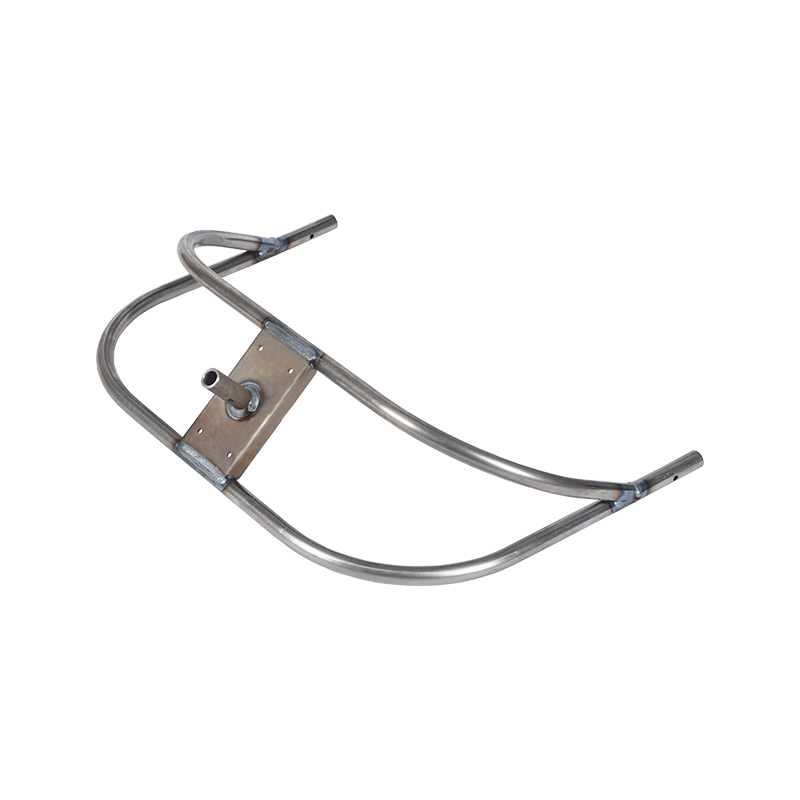
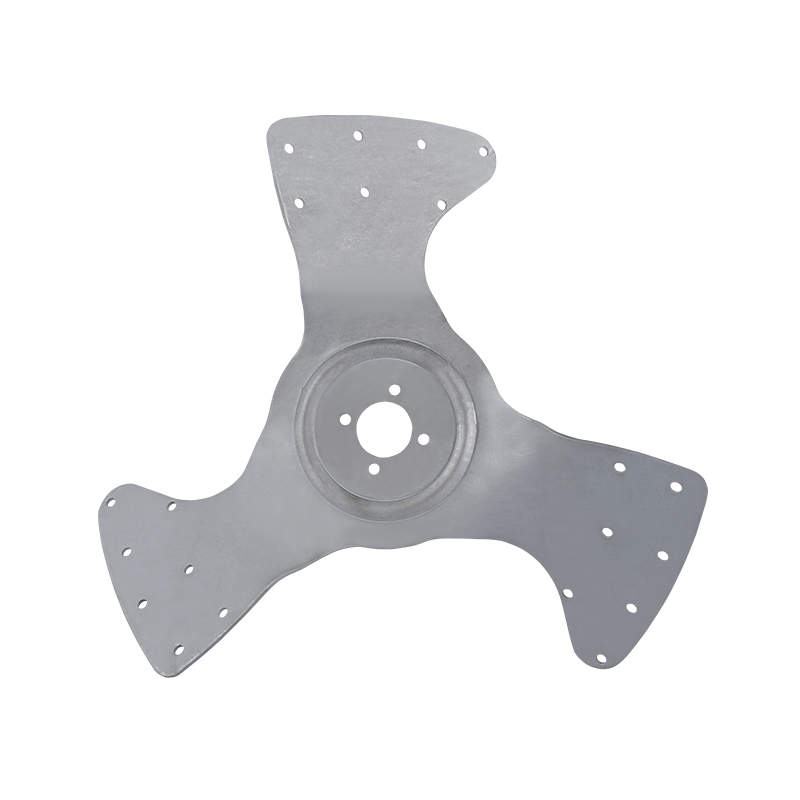
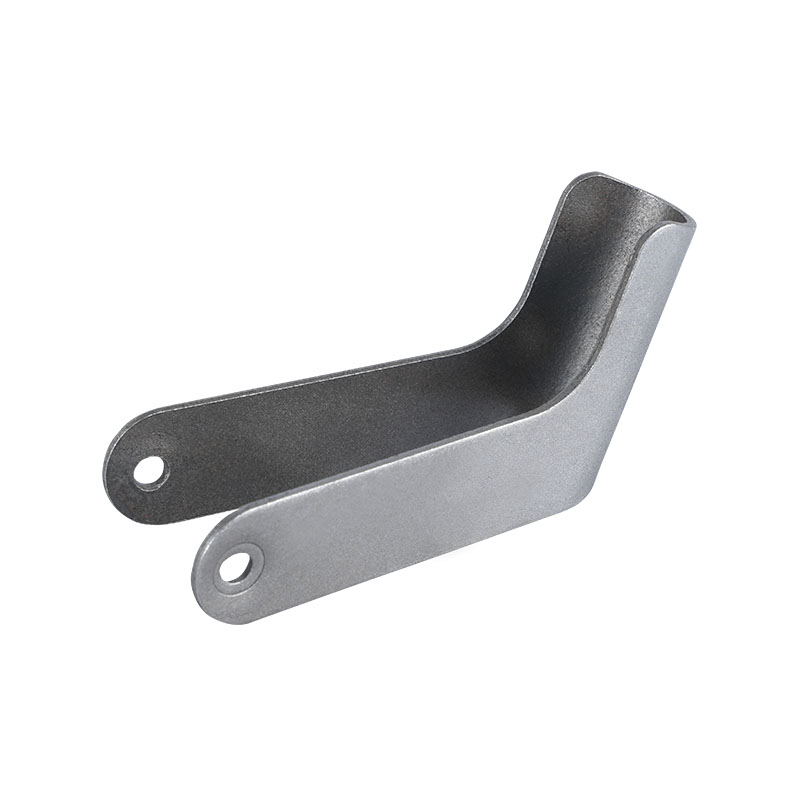
A flat sheet becomes a curved bracket, a bent connector, or a perforated support plate. Each shape serves a different role inside assembly. Instead of using separate pieces for each function, one stamped part can sometimes handle several tasks at once, such as support and alignment together.
Stress distribution also improves through shaping. Flat sections tend to concentrate force at one point, while bent or curved forms spread force across a wider area. That reduces strain during repeated movement.
| Shape Type | Function Inside Assembly | Practical Effect |
|---|---|---|
| Flat plate | Basic support surface | Holds position |
| Bent form | Direction adjustment | Guides alignment |
| Perforated sheet | Mounting and airflow | Combines structure and space flow |
| Formed clip | Locking element | Keeps parts fixed |
In compact machines, even a few millimeters of saved space changes internal layout. Stamping gives designers more freedom to follow the shape of the machine instead of forcing straight forms into curved spaces.
How Do Custom Metal Stamping Parts Move Through Production Lines
In real workshops, stamped metal parts rarely stay in one place after forming. Once a sheet is pressed into shape, the piece usually continues along a chain of small operations that guide it closer to final use. The process feels less like a single action and more like a sequence where each step fixes something left by the previous one.
After stamping, edges often carry slight uneven marks. Some parts show small bends that need adjustment before fitting into assemblies. Instead of restarting the whole process, production lines keep moving the part forward for refinement.
A common flow can look like:
- Sheet placed and formed under pressure
- Shape released from die
- Edge trimming and hole adjustment
- Surface cleaning or coating
- Size check at key points
- Final fit into assembly stage
In many cases, CNC Parts Processing Factory work appears after stamping. Not for redesigning the part, only for small corrections like hole alignment or edge smoothing. That step helps parts sit properly inside tight mechanical spaces where even a small mismatch can affect movement.
What Difficulties Appear When Forming Metal Parts
Metal forming does not always follow a straight path. The same sheet can behave slightly differently depending on pressure, temperature, and shape complexity. One common issue is spring-back. After pressing, metal tends to return a little toward its original form, which can shift angles or curves.
Tool wear also changes results over time. Even small changes in the forming surface can affect edge sharpness or bend accuracy. Production teams often adjust pressure or replace worn tools to keep shape consistency.
Complex shapes bring another layer of challenge. Deep bends or uneven curves require controlled force distribution. Too much pressure in one area may stretch the material, while too little leaves incomplete forming.
Typical challenges include:
- Shape rebound after pressing
- Edge distortion near bends
- Uneven material flow inside die
- Tool surface wear during long use
- Fit differences during assembly stage
None of these issues stop production, yet each one adds small adjustments in later steps. That is why stamping is often paired with machining instead of standing alone.
How Does CNC Parts Processing Factory Work With Stamping Output
After stamping, many parts still need fine adjustment before they fit into machines. CNC processing handles those small corrections without changing the overall shape. The focus is usually on precision points rather than the full structure.
Hole positions are a frequent adjustment area. A slight shift during stamping can make alignment difficult during assembly. CNC drilling or reworking corrects those positions so bolts or fasteners fit without forcing.
Edges also receive attention. Stamped metal sometimes leaves small burrs or uneven lines. Machining smooths those areas, especially where parts touch other components during movement.
Common CNC support tasks include:
- Adjusting mounting holes
- Smoothing cut edges
- Refining contact surfaces
- Fixing small dimensional drift
| Stage | What Happens | Practical Result |
|---|---|---|
| Stamping | Basic shape formed | Part structure created |
| CNC adjustment | Local correction | Better fit in assembly |
| Combined use | Final alignment | Stable installation behavior |
The two processes work side by side. Stamping builds shape, CNC brings the shape closer to real assembly needs.
How Do Custom Metal Stamping Parts Perform Inside Industrial Equipment
Once installed, stamped metal parts usually stay hidden inside machines. Their job is not to move by themselves, but to support movement around them. Inside electrical systems, they hold panels and wiring in place. Inside mechanical frames, they keep alignment steady during vibration.
In household appliances, their role becomes more visible through function rather than appearance. Inside washing machines, stamped brackets hold rotating sections steady during spin cycles. Inside fans, they help guide airflow structure and keep motor housings stable.
In automotive systems, compact stamped parts sit inside tight spaces where movement control matters. Window lifts, seat adjustments, and cooling modules rely on small metal supports to keep motion smooth and controlled.
Even in small devices, their presence matters. A handheld tool may look simple outside, yet inside it depends on several stamped parts holding the motor and transmission structure in place.
What Changes Are Seen in Modern Use of Stamped Metal Parts
Industrial equipment keeps moving toward smaller size and tighter internal layouts. Machines now carry more functions inside limited space, which puts pressure on how internal parts are shaped. Stamping adapts well to that direction because flat material can be formed into many shapes without increasing bulk.
Another noticeable shift is the focus on stable movement. Devices used in daily environments are expected to run quietly. Stamped structures help spread force across surfaces instead of concentrating stress in one point, which reduces vibration during operation.
Design approaches also lean toward modular structures. Instead of building one large fixed frame, systems are divided into smaller sections. Stamped parts fit into that approach because they can be produced in repeatable shapes and used across different assemblies.
How Should Stamped Metal Parts Be Handled in Real Work Conditions
Even after forming and machining, handling still affects final performance. Metal parts may look rigid, yet edges and bends can still be damaged by impact or rough stacking.
During storage, separation between parts helps prevent surface marks. Direct contact between sharp edges can leave small deformations that later affect fitting inside machines.
In assembly, placing parts usually happens step by step. Forcing a piece into position is avoided, since small misalignment can spread stress across the structure.
Practical handling habits often include:
- Keeping parts separated during storage
- Avoiding impact on bent or cut edges
- Aligning position before fastening
- Checking fit before final locking
- Replacing damaged parts instead of forcing adjustment
In real production environments, these small actions often decide how smoothly a machine runs after assembly.

 Yongkang Ruizan Industry and Trade Co., Ltd.
A company specializing in metal stamping and mold design and manufacturing.


- Phone: +86-18072455799
- Email: [email protected]
- Address: No. 23, Qilong Road, Natural Village, Zhiying Town, Yongkang City, Jinhua City, Zhejiang Province, China
Copyright © Yongkang Ruizan Industry and Trade Co., Ltd. All Rights Reserved.

Custom Stamping Sheet Metal Hardware Machining Factory