

 English
 русский
 Español
What Matters When Ordering Stainless Steel Stamping Parts
A batch of brackets arrives at the assembly line. The holes sit slightly off, the edges scratch gloves, and the surface carries marks nobody agreed to accept. The quotation looked fine and the delivery date was met. The problem began earlier, when requirements were never written down clearly.
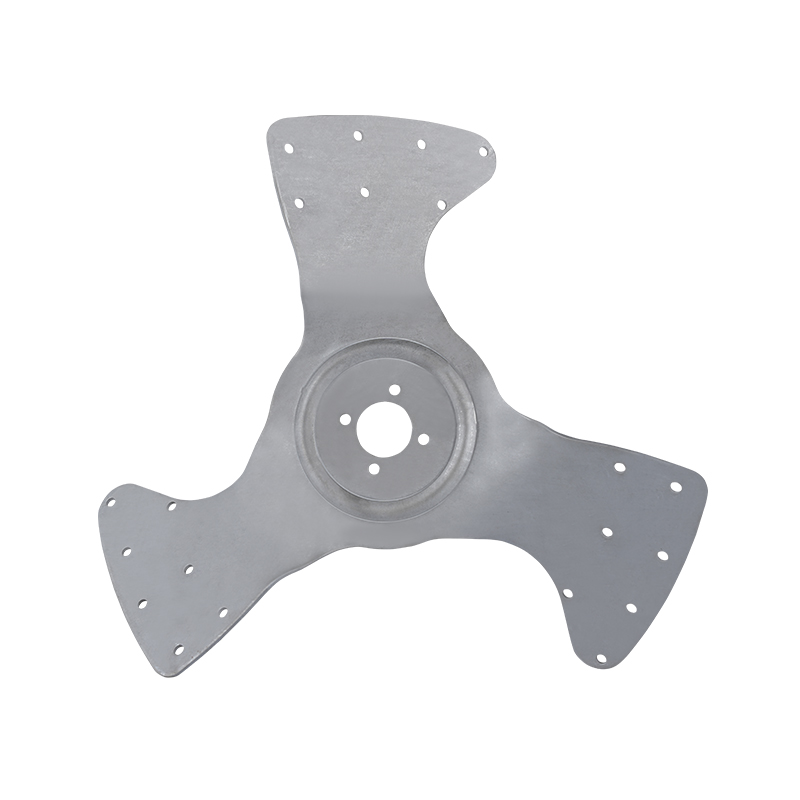
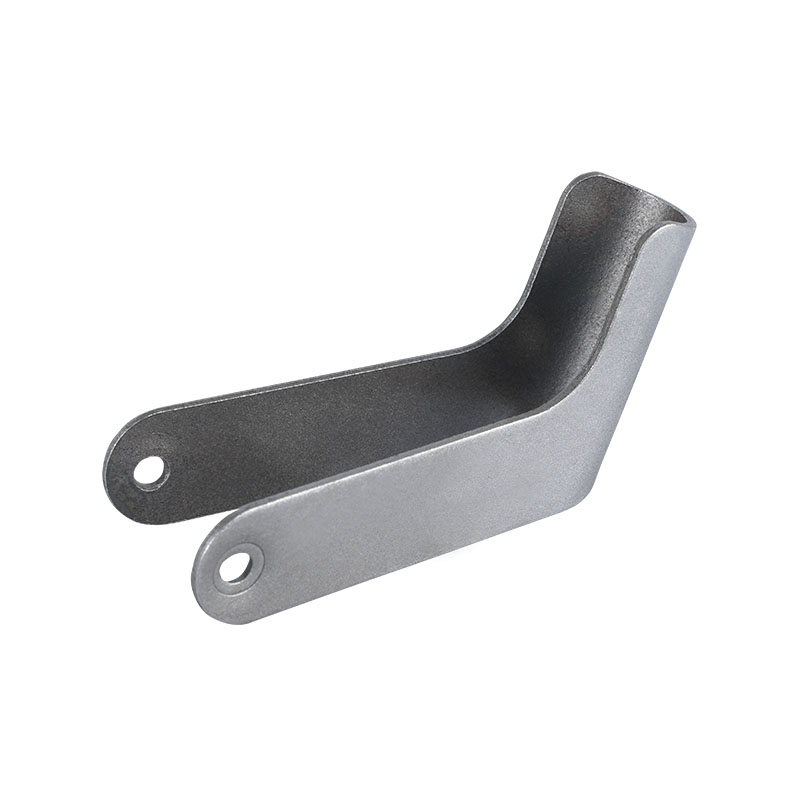
Stainless Steel Stamping Parts serve appliances, enclosures, vehicles, and machinery. Material grade matters, but so do drawings, tolerances, surface condition, inspection, and packaging. The sections below follow the order in which a purchase usually unfolds.
Define the Application and Material
Describe How the Part Works
A bracket inside an electrical cabinet has different needs from a visible trim piece on a kitchen appliance. Tell the manufacturer where the component sits, what it touches, and what environment it faces. Mention whether it stays visible after assembly and whether workers handle it by hand during installation.
These details shape decisions about material, forming, inspection, and packaging. They also bring up questions early, while a change still costs little.
Confirm the Grade
Stainless steel comes in several grades. Corrosion resistance, strength, and forming behavior differ between them, so a general description is not enough. Name the grade that matches the design and the working environment.
| Purchasing Item | What to Check |
|---|---|
| Material grade | Does it match the approved specification? |
| Material condition | Is it suitable for the forming process? |
| Surface condition | Does incoming sheet suit the required appearance? |
| Documentation | Will the supplier provide agreed material records? |
| Substitution | Must any change receive written approval? |
A substitute may look similar and still behave differently during bending or in service. For repeat orders, agree how material identity is maintained from batch to batch.
Drawings, Tolerances, and Process
Make the Drawing the Shared Reference
For Custom Metal Stamping Parts, the drawing is the common language between buyer and maker. Check that it shows the overall shape, key dimensions, hole and slot positions, bend directions, tolerances, material, and surface requirements. Mark any feature that needs special inspection.
Revision control matters as much as content. If several versions exist, both sides must agree which one applies. A small update sent without confirmation can leave the manufacturer working from an earlier version.
Review Tolerances with the Assembly in Mind
Not every dimension needs the same control. A hole that receives a fastener deserves closer attention than a cosmetic edge. Overly tight requirements add production and inspection work, while vague ones invite disagreement at acceptance.
Review three areas:
- Assembly fit: dimensions that decide how the part meets its neighbors
- Functional features: holes, bends, and contact areas that affect the part's role
- Inspection capability: how the maker will measure the specified features
Agree in advance how out-of-tolerance parts are handled, whether by rework, replacement, or another route.
Understand the Stamping Process and Tooling
Stamping uses tooling and presses to cut or shape sheet metal through blanking, piercing, bending, and forming. Buyers need not specify every step, but they should ask whether the proposed process suits the design and the expected order pattern.
Tooling deserves a direct conversation. Settle who pays for it, who owns it, and who maintains and stores it. Also settle what happens when the design changes. Unclear tooling terms cause disputes when a project ends or moves to another supplier.
Surface, Inspection, and Quality Control
Describe the Surface in Writing
Scratches, dents, burrs, discoloration, and forming marks may be acceptable on a hidden bracket and unacceptable on a visible panel. Phrases like "good finish" give the maker nothing to measure against.
| Surface Detail | Purchasing Consideration |
|---|---|
| Scratches and dents | Define acceptable visible damage |
| Burrs and sharp edges | Set requirements for safe handling and assembly |
| Forming marks | Decide whether they affect looks or function |
| Staining | Establish acceptable condition |
| Finish consistency | State expectations across batches |
When appearance is hard to put into words, an approved sample or a marked reference image helps. Treat it as a reference for the agreed features, not a replacement for dimensional requirements.
Agree on Inspection Before Production
Waiting until delivery to define acceptance invites arguments, since each side may read quality differently. A practical plan includes:
- Incoming material checks
- In-process checks on features that may shift during forming
- Dimensional inspection against the drawing
- Visual inspection for burrs, cracks, and surface damage
- Final inspection before shipment
Choose checks that fit the application. A decorative part and a load-bearing part do not need identical records.
Ask How the Supplier Controls Quality
Quality control covers more than final inspection. It includes drawing control, material identification, defect records, handling of nonconforming parts, and batch traceability. Useful questions:
- How are drawing revisions controlled?
- How are materials identified during production?
- What happens when a part fails inspection?
- How are corrective actions communicated?
- Can a specific batch be traced when needed?
Samples help confirm the design before regular production begins. They do not replace agreed inspection requirements for later orders. Consistency between batches is especially important when stamped parts join other components, since small shifts can affect fit and appearance.
Packaging, Quotations, and Delivery
Protect Parts in Transit
Thin edges and finished surfaces scratch easily when parts rub together. A batch can pass inspection and still arrive damaged.
| Packaging Detail | Why It Matters |
|---|---|
| Part separation | Reduces contact between components |
| Edge protection | Limits damage to vulnerable areas |
| Moisture protection | Helps prevent surface changes in storage |
| Quantity marking | Eases receiving and inventory checks |
| Order labels | Distinguish part types and batches |
Packaging should also suit the receiving dock and the assembly line. Separated, labeled parts are easier to count and move into production than loose parts in one box. Special handling needs belong in the order documents.
Compare Quotations Like for Like
Two quotations can look alike while covering different material grades, tooling terms, finishes, or inspection scope. Confirm that every supplier quotes against the same drawing revision, and ask about exclusions and assumptions. Review:
- Material grade and who sources it
- Tooling development and related costs
- Inspection scope
- Finishing requirements
- Packaging and delivery terms
- Sample approval procedure
- Treatment of defective parts
- Conditions for design changes and repeat orders
Unit price matters, but so does the work around it: preparing, inspecting, handling, and shipping. A quotation with gaps often turns into extra cost later.
Confirm the Delivery Schedule
Custom parts pass through drawing review, tooling preparation, sample checks, material purchasing, production, and final inspection. Ask which steps the schedule includes and what could shift it. Agree how delays will be reported and how urgent changes are handled.
Buyers contribute too. Incomplete shipping instructions or a changed receiving address can delay finished goods. For ongoing supply, discuss how repeat orders are scheduled and how changes in demand are shared.
Changes and Repeat Orders
Control Design Changes
Even a minor revision can affect tooling, dimensions, material, and inspection. Notify the manufacturer through an agreed channel and name the exact revision being changed. Before the revised part enters production, confirm:
- Which drawing revision is approved
- Whether existing tooling can handle the change
- Whether new samples or inspections are needed
- How parts already in production will be treated
- Whether price or schedule must be updated
Recheck Before Reordering
Repeat orders lean on earlier records, but details drift. Material availability, drawing revisions, packaging instructions, and delivery needs may differ from the previous order. Before reordering Custom Metal Stamping Parts, run through this checklist:
- Part number and drawing revision
- Material and finish requirements
- Agreed quality criteria
- Quantity and delivery schedule
- Packaging and labeling instructions
- Unresolved quality issues from earlier batches
- Procedure for reporting discrepancies
If the manufacturer suggests a process adjustment, ask whether it changes the finished part or its acceptance criteria.
Clear information about application, material, drawings, tolerances, surface, inspection, packaging, and delivery gives the manufacturer a practical basis for producing Stainless Steel Stamping Parts that fit the specification and the assembly workflow.

 Yongkang Ruizan Industry and Trade Co., Ltd.
A company specializing in metal stamping and mold design and manufacturing.


- Phone: +86-18072455799
- Email: [email protected]
- Address: No. 23, Qilong Road, Natural Village, Zhiying Town, Yongkang City, Jinhua City, Zhejiang Province, China
Copyright © Yongkang Ruizan Industry and Trade Co., Ltd. All Rights Reserved.

Custom Stamping Sheet Metal Hardware Machining Factory