

 English
 русский
 Español
Why Stainless Steel Stamping Parts Are Widely Used In Engineering
Engineering equipment often contains many small metal components that have little visual impact on the finished machine, yet their shape and position can affect how surrounding parts fit together. Brackets, covers, supports, clips and connection pieces all need to match the space around them.
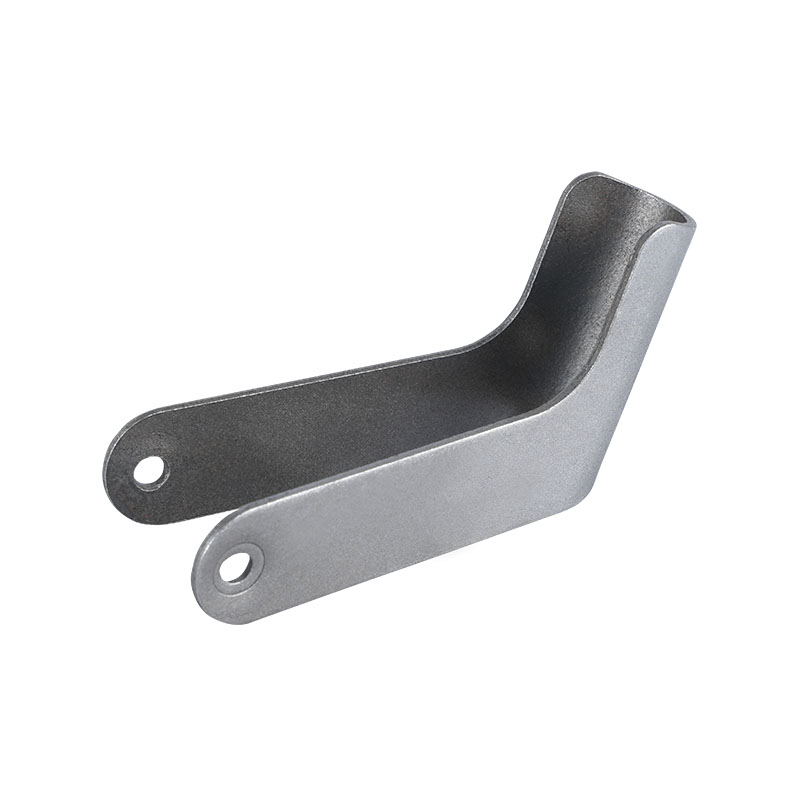
Stainless Steel Stamping Parts are used in such situations because sheet metal can be formed into practical shapes while retaining the material characteristics needed for a particular working environment. A flat sheet can become a bent support, a protective cover or a shaped connection piece through controlled forming operations.
Material choice and forming method need to be considered together. A material may have suitable resistance to moisture or surface wear, while its forming behavior still needs to match the planned shape. Engineering design therefore starts with the relationship between the working environment, required geometry and manufacturing process.
Several factors commonly influence component selection:
- Expected contact with moisture or contaminants
- Required structural support
- Shape and available installation space
- Connection method
- Surface condition
- Repeated movement or handling during use
A stamped component is rarely selected only for its appearance. Its value comes from fitting a particular mechanical or structural requirement without creating unnecessary complexity during assembly.
How Stainless Steel Properties Affect Stamped Parts
Material characteristics influence how a stamped component behaves during both production and use. Stainless steel can provide resistance to environmental exposure, while its strength and forming behavior vary according to the selected material condition.
For engineering applications, surface condition can matter when parts are exposed to moisture, cleaning processes or contact with other components. A suitable material can help maintain the intended surface condition during normal service.
Strength also needs to match the part geometry. A thin component with several bends may behave differently from a flat plate of similar material. Bends, openings and corners change how forces move through a part.
Material selection therefore needs to consider several points at once:
- Working environment
Moisture, dirt, cleaning agents and surrounding materials can affect surface requirements. - Part geometry
Deep bends or narrow sections can place different demands on the sheet during forming. - Load conditions
A support component needs a suitable relationship between material characteristics and its final shape. - Surface requirements
Visible or exposed parts may require closer attention to surface condition and edge quality.
Selecting material before considering the final shape can create unnecessary production problems. A better approach connects material behavior with the intended forming process from the beginning.
How Stamping Shapes Stainless Steel Components
Stamping allows flat metal sheet to become a range of useful engineering shapes. Rather than machining a complete component from a solid block, forming can create bends, openings and contours directly in the sheet.
Simple parts may contain only a few features, while more involved designs can combine several bends and cut sections. Each feature changes how the finished component fits into the surrounding assembly.
Common structural forms include:
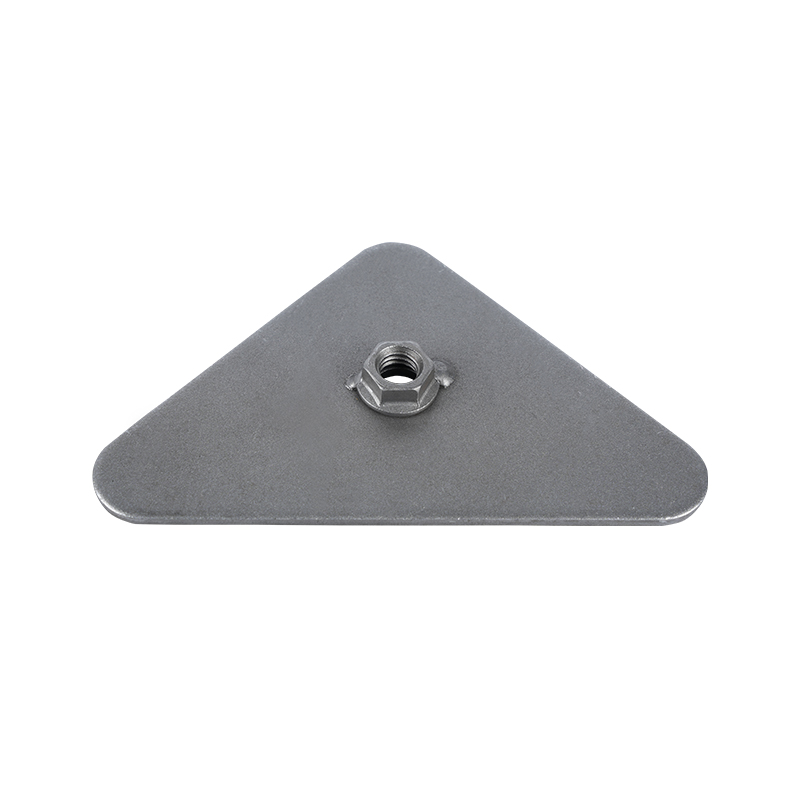
- Flat mounting pieces
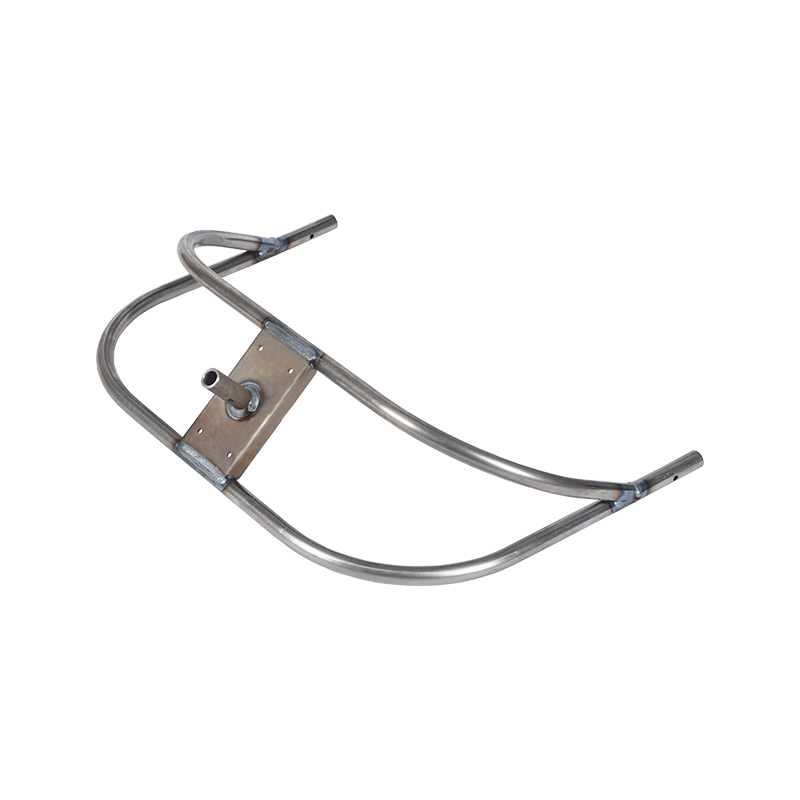
- Bent support brackets
- Protective covers
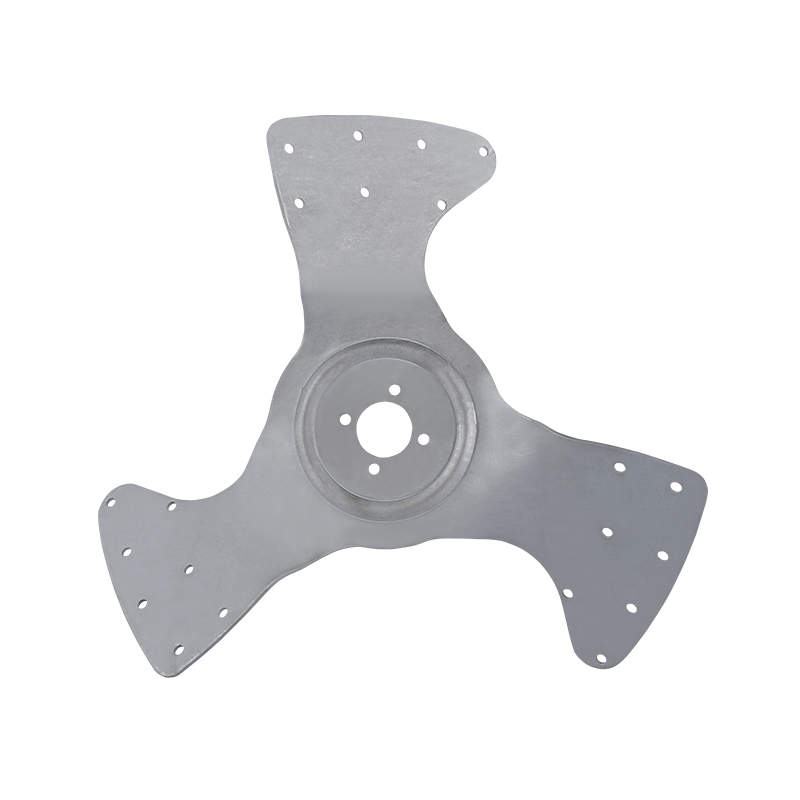
- Components with mounting holes
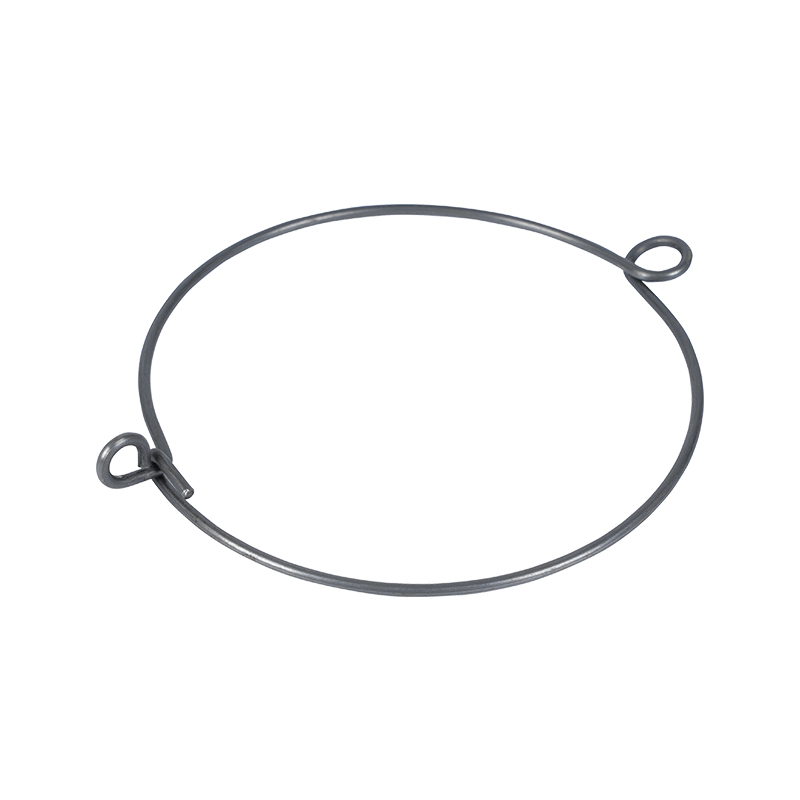
- Clips and retaining parts
- Shaped panels
Part geometry needs to account for how the sheet will behave during forming. A narrow section may require different treatment from a broad surface, while a hole placed too close to an edge can affect the surrounding area.
Designers therefore need to look beyond the final drawing. A shape that appears practical on paper may create difficulties during production when bending, cutting or positioning operations are considered.
Good coordination between design and forming helps reduce unnecessary adjustments. It also makes the connection between the intended function and the finished shape easier to maintain.
Why Dimensional Consistency Matters in Engineering Assembly
Engineering assemblies often contain several parts that need to meet at specific locations. A mounting hole may need to align with another component, while a bent edge may need to sit against a supporting surface.
Small dimensional changes can influence those relationships. A bracket that is slightly different in width may alter how another component sits. A hole positioned differently from the intended location can make fastening more difficult.
For stamped production, consistency is therefore connected with assembly rather than appearance alone.
A useful way to view the relationship is:
Material → Forming → Part Geometry → Assembly Position → Equipment Function
Each stage affects the next. Material behavior influences forming, forming creates the final geometry, geometry determines how the part fits, and the assembled position affects the surrounding equipment.
Inspection can focus on areas that directly influence assembly, such as:
- Hole position
- Overall length and width
- Bend location
- Edge shape
- Flatness
- Connection points
Not every dimension carries equal importance. Features that directly connect with other components usually require closer attention because a small change can affect several parts at once.
How Custom Metal Stamping Parts Meet Different Design Needs
Standard metal components can suit repeated applications with similar shapes, while engineering equipment often contains spaces that require a different profile. A bracket may need an unusual bend, a cover may need several openings, or a support may need to follow a particular enclosure shape.
Custom Metal Stamping Parts allow component geometry to follow those specific requirements. Customization may involve the outer profile, hole arrangement, bends or connection features rather than simply changing the overall size.
A customized design can be shaped around:
- Available installation space
- Existing connection points
- Cable or component clearance
- Required support areas
- Assembly direction
Engineering design sometimes involves tight spaces where a standard flat piece would require additional brackets or separate fasteners. A formed component can combine several functions within one piece, depending on the application.
Customization also requires attention to production feasibility. Adding many small bends or closely spaced openings may increase forming difficulty. A useful design balances the required shape with a process that can produce it consistently.
The relationship between design and manufacturing becomes especially important when a component will be produced repeatedly. Changes made during the design stage can influence tooling, material use, inspection and assembly later on.
How Surface Condition Influences Engineering Use
Surface condition can affect how a stamped stainless steel component performs after installation. Engineering parts may come into contact with moisture, dust, cleaning materials or neighboring metal surfaces, so the condition of the finished surface needs to match the working environment.
Stamping can also influence edges, corners and formed areas. Cutting creates edges, while bending changes the shape of the sheet around a particular line. Such areas deserve attention during inspection because they can affect assembly or contact with nearby components.
For practical production control, several areas can be checked:
- Surface marks created during handling or forming
- Edges around punched openings
- Bent sections and corners
- Contact areas between connected components
- Surface cleanliness before assembly
A visible mark does not always indicate a functional problem, while a small change around a mounting hole may have a greater effect on assembly. Inspection therefore needs to focus on the areas that matter to the part's actual role.
Surface requirements also depend on where a component will be installed. An internal support piece may have different surface needs from an exposed cover. Treating every part in exactly the same way can add unnecessary processing, while ignoring the working environment can create avoidable issues.
How Part Geometry Affects Stamping Performance
Geometry has a direct relationship with how sheet metal can be formed. A simple flat outline usually places fewer demands on the forming process than a component containing several bends, narrow sections and closely positioned openings.
Thickness also matters. A change in material thickness can alter how a sheet bends and how much force is required during forming. Designers need to consider the final shape together with the material being processed.
Certain features deserve early attention:
- Bend locations
- Distance between openings
- Narrow connecting sections
- Corner shapes
- Formed depths
- Edge distances
A hole placed very close to a bend may create a different forming condition from a hole positioned farther away. Several bends located near one another can also make the sequence of forming more complicated.
For Stainless Steel Stamping Parts, practical geometry often comes from balancing function with manufacturability. A component needs enough material around connection points, suitable room for bending and an overall shape that can be formed without unnecessary correction.
Early design review can reduce later changes. When engineers consider forming requirements while developing the part, the final geometry can remain closely connected to its intended use.
Where Stainless Steel Stamping Parts Are Used in Engineering
Stamped stainless steel components appear in many areas of equipment construction because sheet metal can be shaped into both structural and protective forms.
Within machinery, formed pieces may act as brackets, supports or covers. Electrical equipment can also contain stamped metal structures used to hold internal parts or create protective enclosures.
| Application Area | Possible Part Function |
|---|---|
| Mechanical equipment | Supports and mounting brackets |
| Electrical equipment | Covers and internal structural pieces |
| Industrial enclosures | Panels and protective sections |
| Connection systems | Clips and fastening components |
| Equipment interiors | Retaining and positioning parts |
Different applications create different requirements. A support may need suitable stiffness, while a cover may focus more on shape, access and protection. A clip may require controlled flexibility for installation and removal.
Working conditions also influence material selection. Components exposed to moisture or regular cleaning may require different considerations from parts installed inside a relatively protected machine.
Such variation helps explain why stainless steel stamping is not limited to one type of engineering component. Its usefulness comes from combining sheet material with a range of possible shapes.
What Should Be Considered Before Choosing Stamped Parts
Selecting a stamped component starts with its intended function. Material, shape and manufacturing method should fit the actual conditions rather than being considered separately.
Several questions can guide the design process:
- Where will the part be installed?
Location indicates the surrounding environment, available space and connection requirements. - What force will the part experience?
A support or bracket may need different structural characteristics from a decorative cover. - How will it connect to nearby components?
Hole positions, bends and edges need to match the assembly method. - What surface condition is required?
Requirements vary according to exposure, contact and appearance. - How will the part be produced?
Part geometry should remain compatible with the planned forming process. - Will the component require further processing?
Cutting, bending, finishing or assembly operations can influence the final design.
A clear answer to those questions can prevent unnecessary changes later. Engineering parts work as part of a larger system, so selection needs to account for the relationships around each component.
How Material Selection and Stamping Design Work Together
Material and forming design cannot be separated easily when producing engineering components. Stainless steel provides a particular combination of material characteristics, while stamping determines how those characteristics are expressed through the finished geometry.
For Stainless Steel Stamping Parts, the connection can be viewed through four areas:
- Material: chosen according to the working environment and required properties
- Geometry: developed around installation and functional needs
- Forming: selected to create the intended shape
- Assembly: checked against surrounding components
Custom Metal Stamping Parts add another layer because their shapes are often developed around a particular machine or installation space. A customized bracket, cover or support may need several features to work together, making early coordination between design and production useful.
Engineering applications rarely depend on material alone. A suitable sheet can still produce an unsuitable component when the geometry does not fit the assembly. In the same way, a well-designed shape can become difficult to manufacture when forming requirements are ignored.
A practical design process connects material selection, part geometry and production conditions from the beginning. Such coordination helps stamped components fit their intended positions and perform their assigned role within larger engineering equipment.

 Yongkang Ruizan Industry and Trade Co., Ltd.
A company specializing in metal stamping and mold design and manufacturing.


- Phone: +86-18072455799
- Email: [email protected]
- Address: No. 23, Qilong Road, Natural Village, Zhiying Town, Yongkang City, Jinhua City, Zhejiang Province, China
Copyright © Yongkang Ruizan Industry and Trade Co., Ltd. All Rights Reserved.

Custom Stamping Sheet Metal Hardware Machining Factory