

 English
 русский
 Español
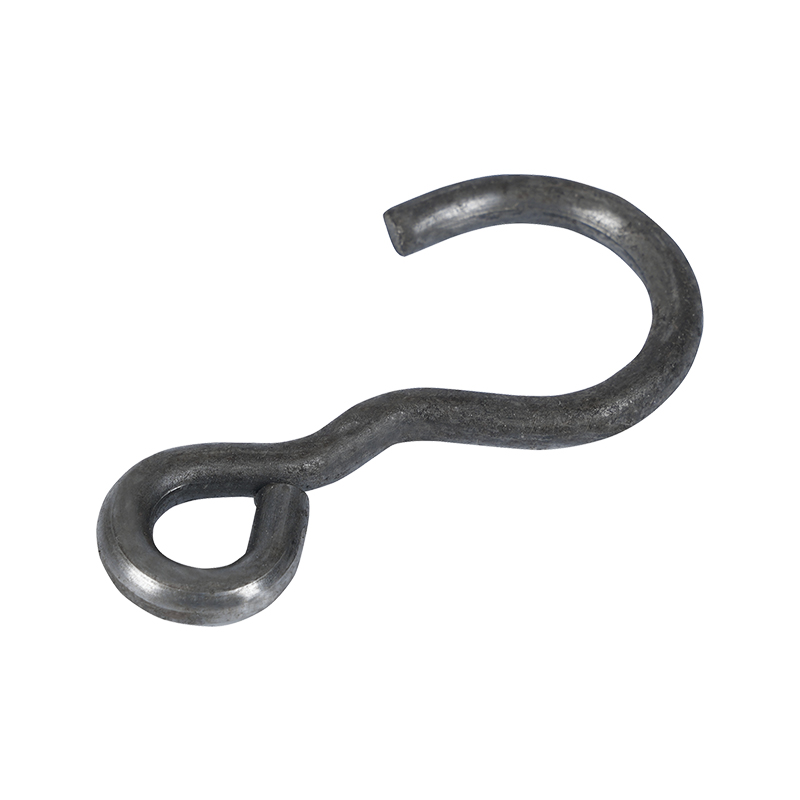
What Finishes Are Available for Iron Pipe Hooks in Home Decor
An iron pipe hook may have a simple shape, yet its surface can change how it looks and feels in a room. A dark, slightly uneven metal surface gives a different impression from a smooth black coating or a bright silver finish. For home decor, surface choice often becomes part of the overall design rather than a minor production detail.
Wall hooks are commonly placed where people can see and touch them, such as entryways, bedrooms, kitchens, utility areas, and storage corners. A suitable finish can help the hook sit naturally beside wood, brick, leather, painted walls, or other metal pieces.
Practical use also matters. Moisture, dust, frequent touching, and routine cleaning can gradually affect a metal surface. Raw steel may need additional protection, while a coated or plated surface may require a different cleaning method.
Several points are worth considering before choosing a finish:
- Color and surface texture
- Amount of light reflected from the metal
- Moisture around the installation area
- Frequency of cleaning
- Existing colors and materials in the room
- Whether the hook will be custom fabricated
A finish therefore has two roles in home decor. One is visual, helping the hook match the room. Another is practical, influencing how the metal is protected and maintained during normal use.
What Are Traditional Black and Dark Gray Finishes
Traditional black and dark gray finishes retain a connection with the natural appearance of iron fittings. Depending on the surface condition and treatment, the color may range from charcoal gray to a deeper dark steel tone.
Slight variation across the surface can create an industrial appearance. Small marks or changes in texture may remain visible, giving the hook a less uniform look. Such character can work well with exposed brick, unfinished wood, dark furniture, or other metal details.
Matte black takes a different visual direction. A smoother and more even surface absorbs more light and produces less reflection, which can make the hook appear quieter against a wall.
Electroplated black finishes can provide a more consistent dark appearance while also covering the exposed metal surface. For home interiors where a neat black line is preferred, a uniform coating may work naturally with modern furniture and simple wall designs.
Black and dark gray finishes can be used in several settings:
- Entryway walls with wooden shelves
- Bedrooms with dark furniture
- Industrial‑style storage areas
- Kitchens with mixed metal details
- Utility rooms where a practical appearance is preferred
Choosing between traditional dark iron and a more uniform black coating depends largely on whether the room calls for visible material character or a cleaner surface appearance.
How Does Galvanized and Silver Zinc Finish Change the Look
Galvanized and silver zinc finishes introduce a lighter metallic appearance than dark iron. Depending on the treatment, the surface may look bright silver, soft gray, or slightly textured. Such variation can create a more open visual effect when used against darker walls or wooden surfaces.
A silver‑gray hook can also work with modern interiors where black metal might feel visually heavy. In coastal or light‑colored spaces, metallic gray can sit alongside pale wood, white walls, and other cool‑toned details without creating a strong contrast.
Moisture is another reason people may consider a galvanized or zinc‑based finish. Surface protection becomes more relevant in areas where condensation, splashes, or humid air are part of normal use. Kitchens, laundry areas, and some utility spaces may require greater attention to metal protection than a dry bedroom or hallway.
Appearance and practical use should still be considered separately. A silver surface may suit a particular room visually, while its suitability for a damp location depends on the actual treatment and installation conditions.
Regular care remains useful even with a protected metal surface. Dust, water residue, and household substances can collect around joints and edges, especially when a hook is installed close to a sink or work area.
What Makes Unfinished Raw Steel Different
Unfinished or raw steel has a more direct connection with the material itself. Instead of covering the surface with a decorative coating, the metal remains visible, including natural steel tones and marks created during cutting, shaping, or handling.
For industrial‑inspired interiors, such an appearance can be part of the design. A raw hook placed against brick, reclaimed wood, dark timber, or leather can create a strong material contrast without relying on a bright decorative color.
Raw steel also requires more attention after installation. Once the surface is exposed to air and moisture, rust can develop. Cleaning and suitable clear protection or sealing may therefore be needed, particularly where humidity is present.
Maintenance needs can vary according to the room. A dry hallway may place fewer demands on exposed steel than a kitchen or damp storage area. Installation near water requires closer attention to surface protection.
Raw steel can be considered when the desired look is:
- Industrial and unfinished
- Naturally metallic
- Slightly irregular in appearance
- Compatible with aged wood or brick
- Focused on visible material character
A raw finish should not be selected only because it looks industrial. Long‑term care needs to fit the owner's willingness to clean, protect, and inspect the surface.
How Do Brass Bronze and Red Brass Finishes Change Home Style
Warm metallic finishes create a different relationship between an iron pipe hook and its surroundings. Brass, red brass, and bronze can introduce gold, reddish, or brownish tones, giving a fitting a warmer visual presence.
Brass can work well with warm wood, leather, cream‑colored walls, and traditional furniture. Bronze can provide a darker warm‑metal appearance, which often fits vintage or aged interiors. Red brass introduces a slightly warmer red‑brown tone and can be used as a smaller decorative detail within a larger room design.
Such finishes can also support a mixed‑material approach. A room may contain wood shelving, leather handles, dark metal frames, and warm metal hooks. Rather than matching every material exactly, a repeated warm tone can help connect separate elements.
Steampunk‑inspired interiors may also use brass or bronze details alongside dark iron and aged materials. Vintage rooms can take a similar approach through warm metal accents, especially when lighting and furniture already contain brown or golden tones.
Surface choice should remain balanced with the surrounding materials. A warm metallic hook may become visually disconnected when placed among cool gray surfaces without another element that connects the colors.
What Are Distressed and Painted Finishes Used For
Distressed finishes create an aged appearance through intentional surface variation. Marks, darker areas, worn‑looking sections, or uneven color can make a new fitting appear compatible with older furniture and decorative materials.
Such treatment is often associated with rustic, farmhouse, shabby chic, and vintage interiors. A distressed hook can sit beside old‑looking wood or painted furniture without appearing too new or visually separate.
Painted finishes offer greater control over color. Rustic white, muted gray, oil‑rubbed bronze, antique copper, and similar shades can be selected to match a particular room.
Paint also allows iron pipe hooks to become part of a broader color scheme. A light‑colored hook may blend into a pale wall, while a darker painted surface can create a clearer visual outline.
DIY painting and factory‑applied finishing may produce different surface results. Preparation of the metal, coating consistency, and later handling all influence how the finished surface looks and behaves. For a home project, choosing the color is only one part of the decision; surface preparation and future maintenance also deserve attention.
Which Finish Works With Different Home Decor Styles
Choosing a finish becomes easier when the surrounding room is considered as a whole. Wall color, furniture material, lighting, flooring, and other metal details can all change how an iron pipe hook appears after installation. A dark hook may look very different on a pale wall from how it appears against exposed brick or dark timber.
| Home Decor Style | Finish Direction | Visual Feel |
|---|---|---|
| Industrial | Black or Raw Steel | Dark and practical |
| Modern | Matte Black or Silver Zinc | Clean and restrained |
| Coastal | Galvanized or Silver Zinc | Light and metallic |
| Rustic | Distressed or Dark Gray | Aged and warm |
| Vintage | Brass or Bronze | Warm and decorative |
| Farmhouse | Rustic White or Aged Finish | Soft and traditional |
Industrial rooms often work well with black, dark gray, or raw steel because exposed materials already form part of the visual language. Small differences in texture can add depth without requiring extra decoration.
Modern interiors usually benefit from surfaces with a more even appearance. Matte black can create a quiet outline, while silver zinc can bring a lighter metal tone into the room. Neither needs to match every object exactly; repeating a similar finish in another small area can help create visual balance.
Rustic and farmhouse spaces often have more visible texture. Distressed paint, dark gray metal, rustic white, and aged bronze can sit comfortably beside wood grain, woven materials, or traditional furniture.
Vintage interiors have more room for warm metallic finishes. Brass and bronze can connect with warm lighting, brown leather, darker wood, and older‑style furniture. A small amount of warm metal can sometimes be enough to tie separate decorative elements together.
How Does Custom Steel Pipe Fabrication Affect Finish Choices
Surface treatment cannot always be separated from the way an iron pipe hook is made. With Custom Steel Pipe Fabrication, dimensions, bends, cuts, connection points, and overall shape may vary according to the intended design. Each change can affect how a final finish appears across the completed part.
A simple hook with smooth curves may be easy to prepare for an even surface. A design with several bends or joined sections can have more areas that need careful preparation before coating or plating.
The production sequence also matters. A general process can be viewed as:
Design → Fabrication → Surface Preparation → Finish → Installation
Fabrication can leave visible marks on untreated metal. Cutting and shaping may also alter areas that later receive coating. Proper surface preparation helps produce a more consistent result, while the chosen finish needs to suit the condition of the metal after fabrication.
Custom work can also involve dimensions that differ from standard fittings. A larger bend, unusual connection, or special mounting shape may change which surface areas remain visible after installation. Planning the finish early helps avoid a situation where the structural design is completed and surface appearance is considered only afterward.
For raw steel, fabrication marks may remain part of the visual effect. For painted or plated finishes, surface preparation usually receives more attention because uneven marks can remain visible beneath the final coating.
How Should You Choose a Finish for Different Room Conditions
Room conditions can narrow the range of practical options. A finish chosen for an entryway may not be handled in the same way as one installed beside a sink or in a damp utility space.
Entryway
Black, dark gray, brass, and bronze can work with wooden shelves, benches, and wall‑mounted storage. Frequent touching makes easy cleaning worth considering.
Kitchen
Metal surfaces around cooking and washing areas may encounter moisture, grease, and frequent cleaning. A protected surface such as galvanized or zinc‑based treatment can be considered, depending on the surroundings and care routine.
Bedroom
Matte black, bronze, brass, and soft neutral colors can blend with furniture and wall decoration. Because moisture is usually less of a concern, appearance often receives greater attention.
Bathroom or Damp Area
Moisture becomes an important factor. Raw steel needs careful protection against rust, while other finishes should be selected according to their actual resistance and intended environment.
Garage or Utility Area
A practical industrial appearance may suit dark iron, raw steel, or other durable surface treatments. Ease of cleaning can matter more than decorative color in a work‑focused space.
What Should You Consider Before Choosing an Iron Pipe Hook Finish
A few straightforward questions can help narrow the choice without making the process complicated.
What style does the room have?
Look at the existing materials before selecting a metal color. A rustic room may suit aged finishes, while a simple modern space may need a quieter surface.
What color are the walls and furniture?
Contrast can make a hook stand out, while a similar tone can help it blend into the room.
Will the hook face moisture?
Humidity and water exposure should be considered before using untreated steel.
How often will the surface be cleaned?
Frequently touched hooks may collect marks, dust, or oil from hands, making the cleaning method relevant.
Is a raw metal appearance desired?
Raw steel keeps more of its natural material character, while painted or coated surfaces create a controlled appearance.
Does the design require Custom Steel Pipe Fabrication?
A custom shape may need surface treatment to be planned alongside cutting, bending, and joining.
Will several metal finishes appear in the same room?
Mixing brass, black, silver, and bronze can work when the colors are connected through furniture, lighting, or other details.
How Should Different Finishes Be Maintained
Each finish has its own care needs, so one cleaning method should not automatically be applied to every metal surface.
Raw Steel
Dust and moisture should be removed when needed, while clear protection or sealing can help reduce active rusting. Damp areas require closer inspection.
Black Coated Finish
Gentle cleaning helps avoid unnecessary surface wear. Abrasive tools may change the appearance of a coated surface.
Galvanized or Zinc Finish
Water residue and dirt can collect around edges and joints, particularly in humid rooms. Regular wiping can help keep the metallic appearance clear.
Brass and Bronze
Soft cleaning materials are generally more suitable for decorative warm‑metal finishes. Frequent aggressive cleaning may alter the surface appearance over time.
Painted Finish
Scratches can expose the material below the paint, so damaged areas should not be ignored when the hook is used regularly.
Distressed Finish
Part of the appearance comes from controlled surface variation. Heavy scrubbing may remove some of the intended aged effect.
Maintenance is therefore closely connected with the original finish. A surface that looks suitable during installation may require a different care routine once it becomes part of everyday household use.
For home decor, an iron pipe hook can serve as a small functional detail while also contributing to the character of a room. Black and dark gray finishes tend to create a stronger industrial presence, galvanized and silver zinc surfaces bring a lighter metallic tone, raw steel keeps visible material character, while brass, bronze, distressed, and painted finishes offer more room for decorative styling. Custom Steel Pipe Fabrication adds another layer to the decision because the shape and production process can affect how the chosen finish appears after installation.

 Yongkang Ruizan Industry and Trade Co., Ltd.
A company specializing in metal stamping and mold design and manufacturing.


- Phone: +86-18072455799
- Email: [email protected]
- Address: No. 23, Qilong Road, Natural Village, Zhiying Town, Yongkang City, Jinhua City, Zhejiang Province, China
Copyright © Yongkang Ruizan Industry and Trade Co., Ltd. All Rights Reserved.

Custom Stamping Sheet Metal Hardware Machining Factory