

 English
 русский
 Español
Machining Components Factory for Industrial Precision
Overview of Machining Components Factory
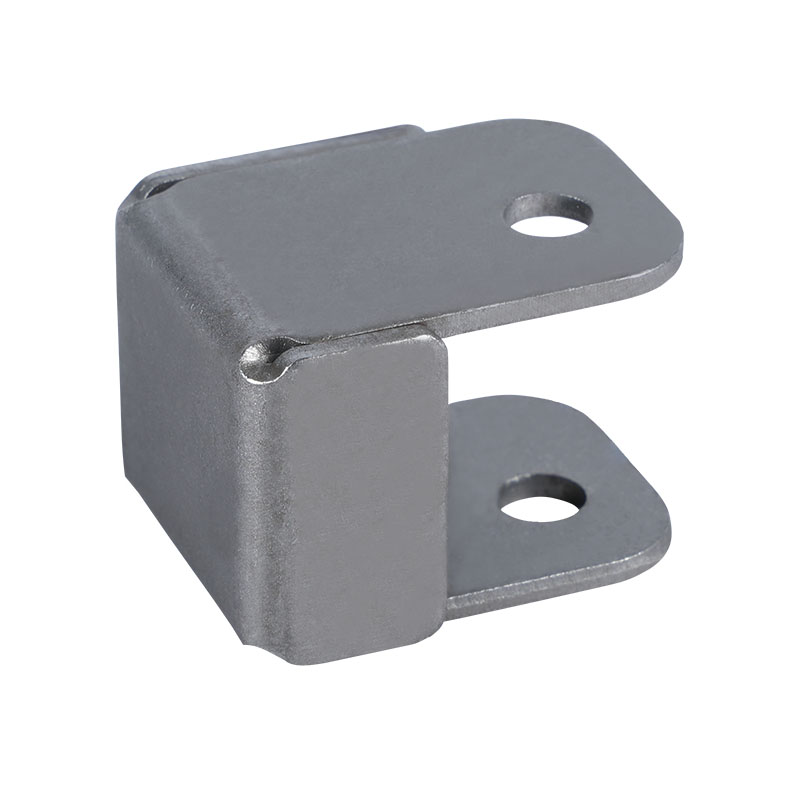
A Machining Components Factory specializes in producing precise mechanical parts for various industries, including automotive, aerospace, electronics, and heavy machinery. By combining advanced CNC machines, lathes, and milling equipment, these factories ensure consistent quality and accuracy. The ability to produce custom components makes machining factories a critical partner for manufacturers requiring specialized or high-precision parts.
Material Selection and Advantages
High-quality materials are essential for machining. A Machining Components Factory works with metals such as aluminum, steel, titanium, and copper, as well as engineering plastics. Selecting the appropriate material enhances durability, performance, and corrosion resistance. Proper material selection ensures components can withstand mechanical stress, temperature variations, and environmental exposure in demanding industrial applications.
Precision and Accuracy
Precision is the cornerstone of a professional Machining Components Factory. Advanced machines combined with skilled technicians allow components to be produced within tight tolerances. This level of accuracy ensures parts fit seamlessly into assemblies, reducing errors and improving overall product reliability. For sectors like aerospace or automotive, where exact measurements are critical, precision machining is indispensable.
Customization for Client Requirements
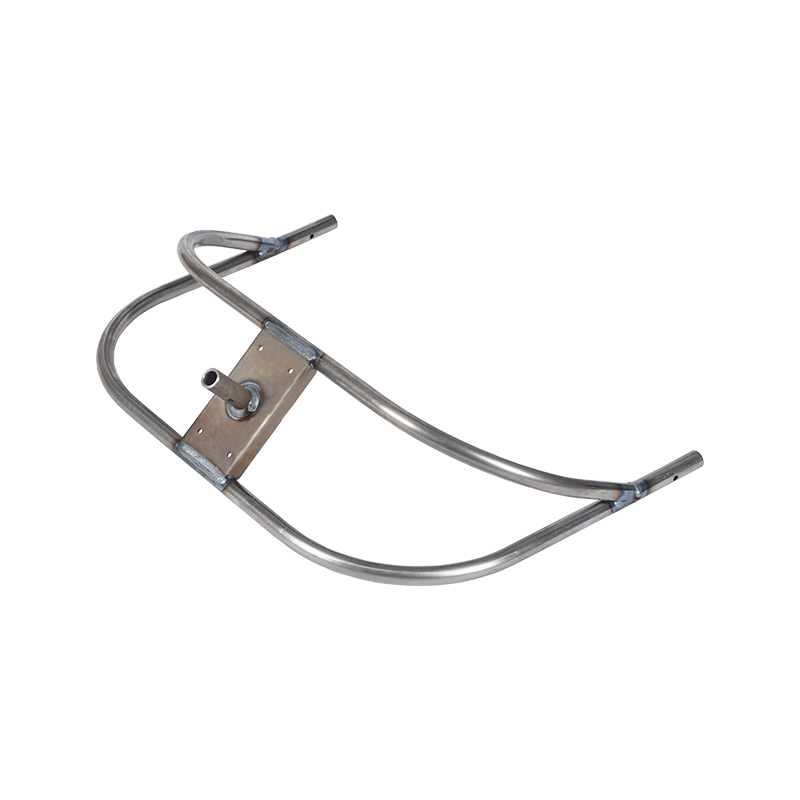
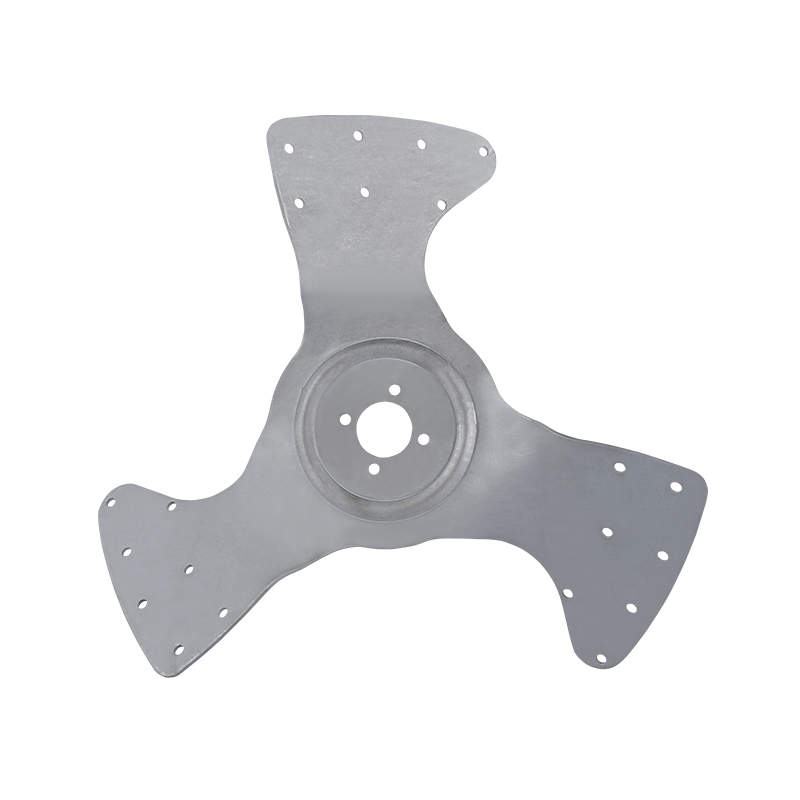
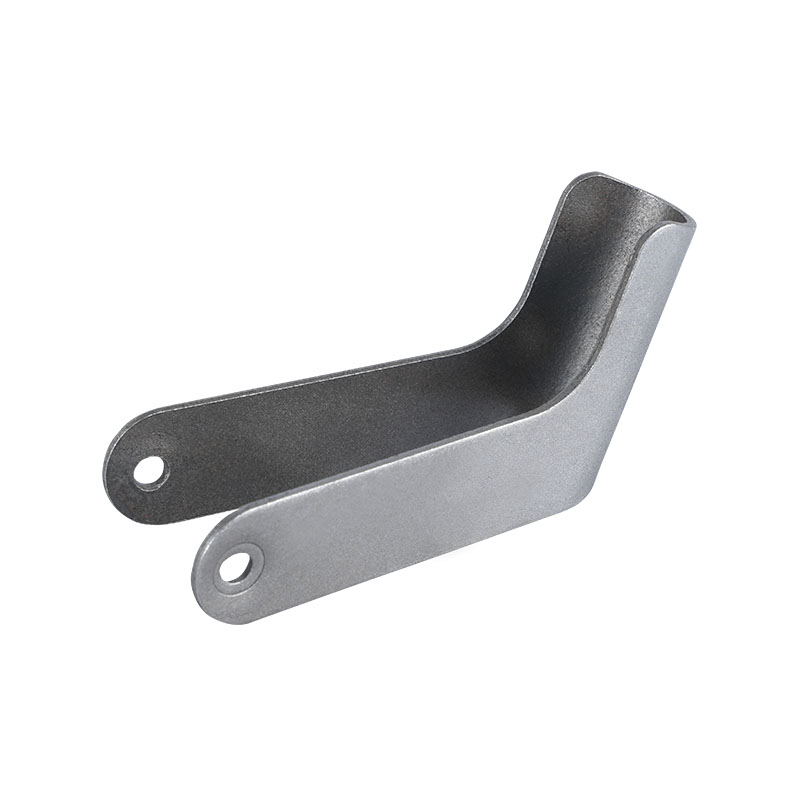
One key benefit of a Machining Components Factory is the ability to offer custom solutions. Factories can create components with unique dimensions, shapes, surface finishes, or threading. Customization supports client-specific designs, such as specialized gears, brackets, housings, or shafts. Tailored components allow manufacturers to meet exact performance specifications and differentiate their products in competitive markets.
Efficient Production Processes
Efficiency is vital for both small and large-scale production. A Machining Components Factory employs optimized workflows, including automated CNC programming, real-time monitoring, and streamlined assembly. These practices allow factories to handle high-volume orders while maintaining consistent quality. Efficient production also reduces times, ensuring that clients receive components when needed without delays.
Surface Treatment and Finishing
Surface finishing improves component durability and usability. A Machining Components Factory can apply treatments such as anodizing, plating, polishing, or coating depending on the application. Finishing enhances corrosion resistance, reduces wear, and sometimes improves aesthetics. Proper surface treatment ensures components perform reliably in industrial environments and meet client expectations.
Quality Control Standards
Quality assurance is essential in machining. A professional Machining Components Factory implements rigorous inspection procedures, including dimensional checks, hardness testing, and visual evaluation. These measures ensure each component meets precise specifications and functions correctly. Strong quality control reduces waste, prevents defective parts from entering assemblies, and maintains the factory’s reputation for reliability.
Supporting Multiple Industries
A Machining Components Factory serves a wide range of sectors. Automotive manufacturers rely on precise engine and suspension parts, aerospace companies require lightweight and accurate components, and electronics producers use machined housings or connectors. By offering versatile capabilities, machining factories can cater to both standard and specialized industrial requirements.
Sustainability and Material Efficiency
Modern machining factories increasingly focus on sustainable practices. Using recyclable metals, minimizing material waste, and optimizing energy consumption are common strategies. A Machining Components Factory committed to eco-friendly practices reduces environmental impact while providing cost-effective production for clients. Sustainable operations also enhance the factory’s appeal in global markets.
Long-Term Benefits for Manufacturers
Partnering with a Machining Components Factory provides long-term operational and strategic advantages. Clients gain access to high-quality, precise, and customizable components that support consistent product performance. Scalable production, quality assurance, and material efficiency reduce costs, improve reliability, and strengthen competitiveness. Over time, collaboration with a trusted machining factory enables innovation, faster production cycles, and sustainable industrial growth.

 Yongkang Ruizan Industry and Trade Co., Ltd.
A company specializing in metal stamping and mold design and manufacturing.


- Phone: +86-18072455799
- Email: [email protected]
- Address: No. 23, Qilong Road, Natural Village, Zhiying Town, Yongkang City, Jinhua City, Zhejiang Province, China
Copyright © Yongkang Ruizan Industry and Trade Co., Ltd. All Rights Reserved.

Custom Stamping Sheet Metal Hardware Machining Factory