

 English
 русский
 Español
Stamping Machining Factory for Precision Metal Parts
Overview of Stamping Machining Factory
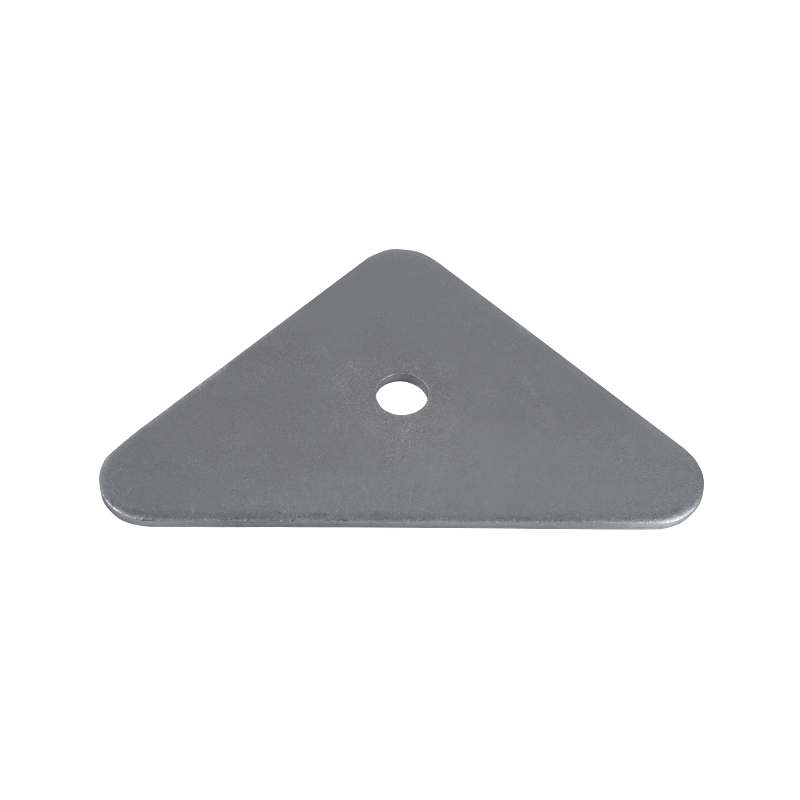
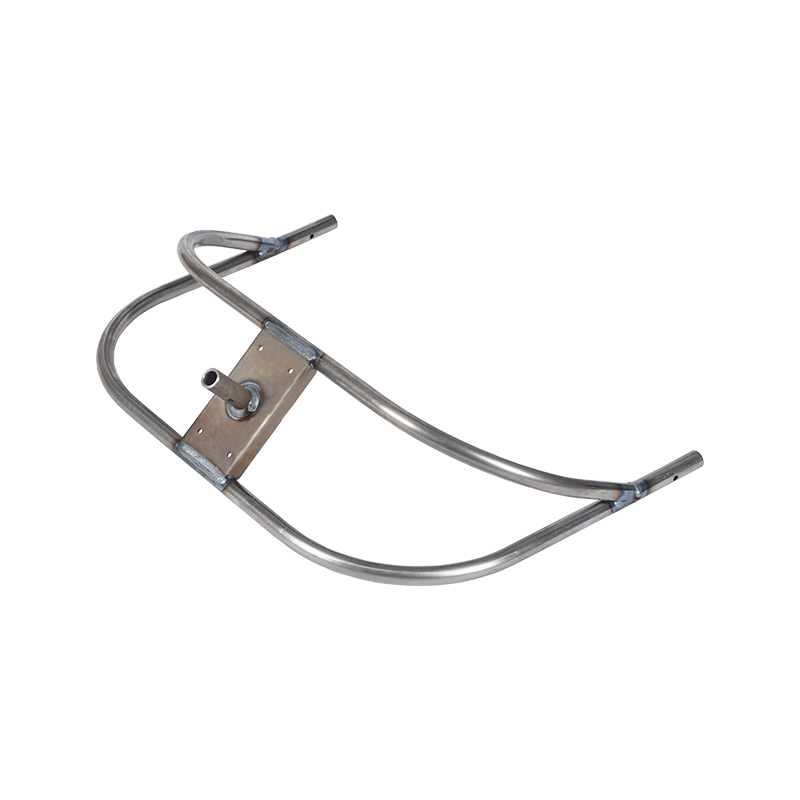
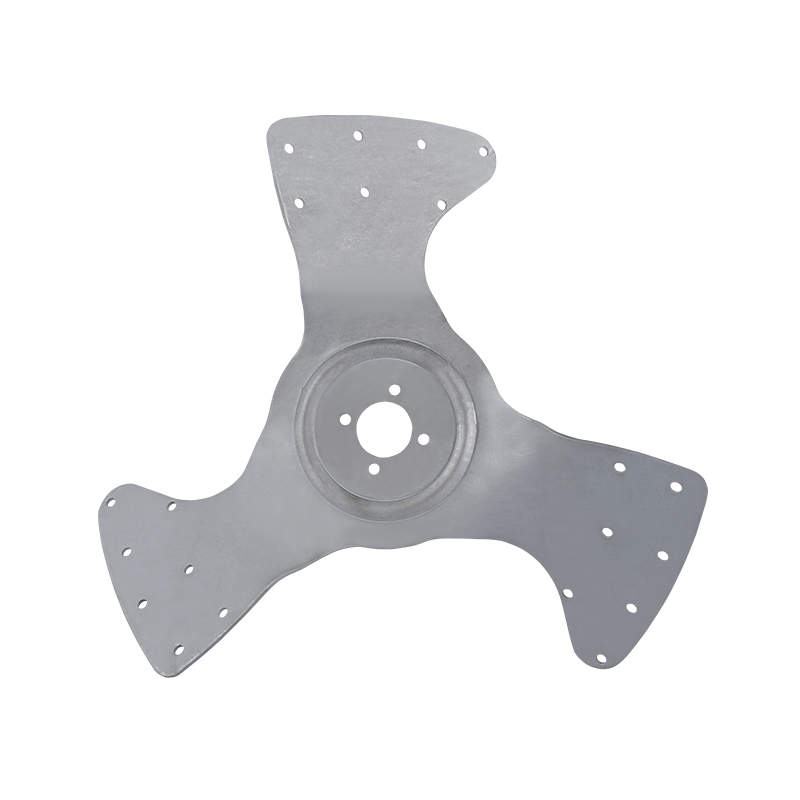
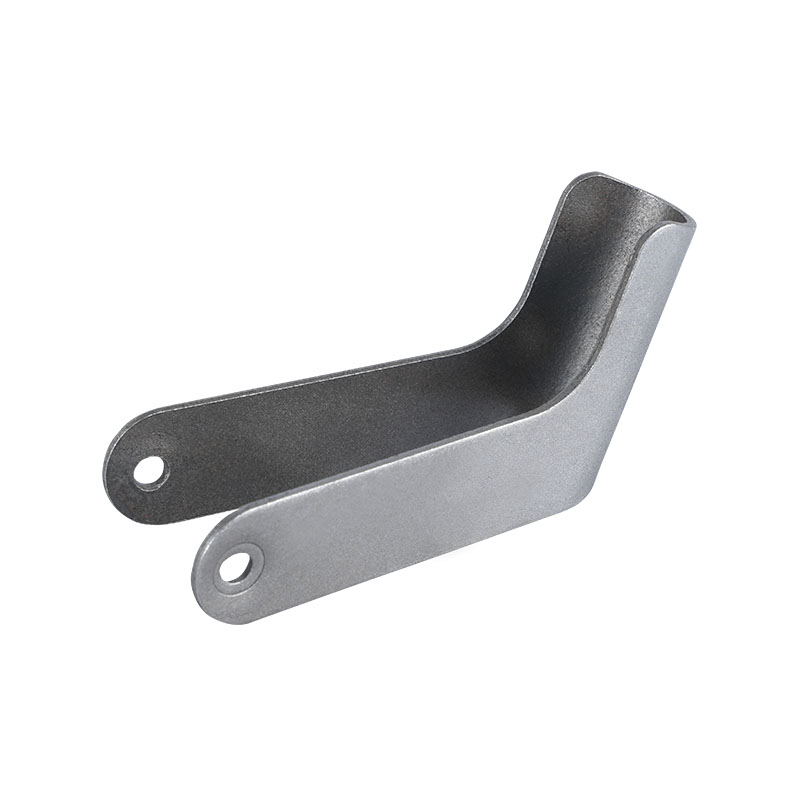
A Stamping Machining Factory specializes in producing precise metal components by combining stamping, punching, and machining processes. These factories serve industries such as automotive, electronics, aerospace, and industrial equipment. By integrating stamping and machining, the factory can deliver components with high accuracy, complex shapes, and consistent quality, meeting both functional and aesthetic requirements.
Advantages of Stamping and Machining
Stamping allows high-volume production of metal parts with consistent dimensions, while machining provides precision finishing and customization. A Stamping Machining Factory combines these processes to create durable, lightweight, and accurate components. This dual approach enables manufacturers to produce gears, brackets, housings, and connectors efficiently while maintaining structural integrity.
Material Selection and Durability
A professional Stamping Machining Factory works with metals such as steel, aluminum, copper, and stainless steel. Material choice affects strength, corrosion resistance, and thermal stability. Using high-quality metals ensures components can withstand mechanical stress, environmental conditions, and long-term usage. Proper material selection also supports compatibility with secondary processes like coating or anodizing.
Precision and Customization
Precision is essential for industrial components. A Stamping Machining Factory uses CNC machines, presses, and automated inspection tools to maintain tight tolerances. Customization allows clients to request specific sizes, shapes, holes, or surface finishes. This flexibility ensures that components meet the exact requirements of different applications, from automotive assemblies to electrical enclosures.
Production Efficiency
Efficient workflow is a key advantage of a Stamping Machining Factory. By combining stamping and machining, factories can reduce production time while maintaining high quality. Automated equipment and optimized layouts allow for large-scale manufacturing without compromising accuracy. This efficiency ensures timely delivery for clients managing tight project schedules or seasonal demand peaks.
Surface Finishing and Treatment
Surface finishing enhances both performance and aesthetics. A Stamping Machining Factory can provide anodizing, plating, polishing, or powder coating for metal components. These treatments improve corrosion resistance, reduce wear, and create a visually appealing finish. Proper finishing also supports functional requirements, such as electrical insulation, heat dissipation, or reduced friction.
Quality Control Standards
Quality assurance is critical in stamping and machining operations. A Stamping Machining Factory implements inspection procedures, including dimensional checks, hardness testing, and visual evaluation. Strict quality control ensures components meet specifications and function reliably. Consistent quality minimizes rework, reduces waste, and maintains the factory’s reputation for reliability and precision.
Serving Multiple Industries
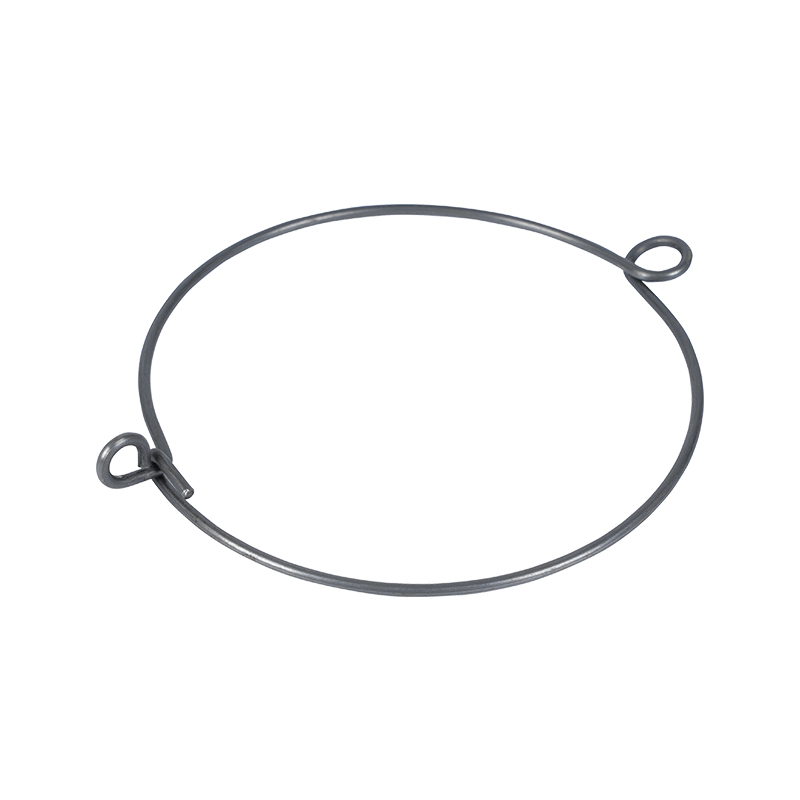
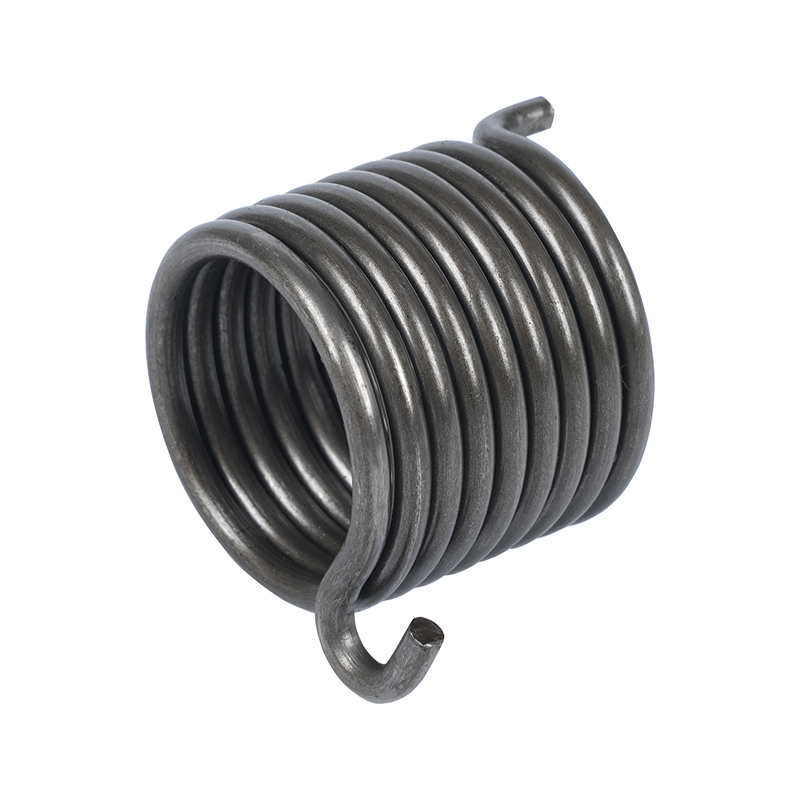
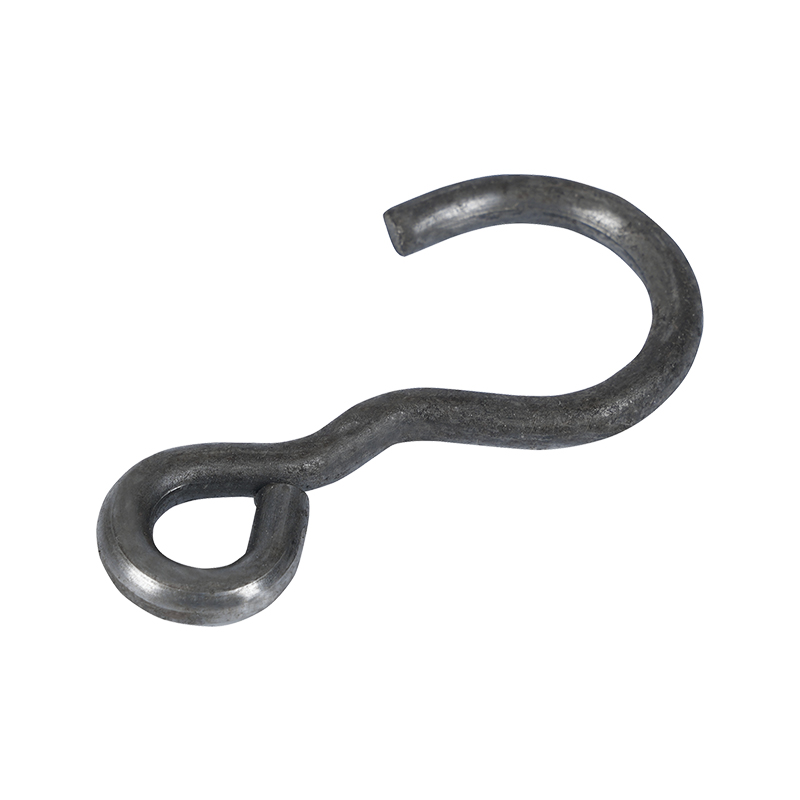
Clients from various sectors rely on Stamping Machining Factory capabilities. Automotive manufacturers require precise engine and chassis components. Electronics producers depend on machined enclosures and connectors, while industrial equipment makers need structural brackets and fittings. The factory’s versatility allows it to address both standardized and highly specialized component needs.
Sustainability Practices
Many modern Stamping Machining Factory operations focus on sustainability. Using recyclable metals, optimizing production processes, and minimizing scrap are common practices. Environmentally conscious manufacturing reduces energy consumption and environmental impact. Sustainable approaches also strengthen the factory’s appeal to global clients looking for responsible and cost-effective suppliers.
Long-Term Benefits for Manufacturers
Partnering with a Stamping Machining Factory offers lasting operational and strategic advantages. Clients benefit from precise, durable, and customizable components produced efficiently at scale. High-quality production, material optimization, and scalable workflows improve reliability and reduce costs. Over time, working with a trusted stamping machining provider supports innovation, faster product development, and sustained competitiveness in diverse industrial markets.

 Yongkang Ruizan Industry and Trade Co., Ltd.
A company specializing in metal stamping and mold design and manufacturing.


- Phone: +86-18072455799
- Email: [email protected]
- Address: No. 23, Qilong Road, Natural Village, Zhiying Town, Yongkang City, Jinhua City, Zhejiang Province, China
Copyright © Yongkang Ruizan Industry and Trade Co., Ltd. All Rights Reserved.

Custom Stamping Sheet Metal Hardware Machining Factory