

 English
 русский
 Español
How Can Custom Metal Stamping Parts Support Consistent Assembly
Assembly work depends on how well individual components fit together. A metal bracket may look simple on its own, but a small difference in its shape or hole position can affect how it connects with another part. When a product contains many components, these small differences can influence assembly time, fitting work, and the consistency of the finished unit.
Custom Metal Stamping Parts help manufacturers create components shaped around specific product and assembly requirements. Through a controlled stamping process, sheet metal can get formed into parts with defined edges, holes, bends, and mounting features. When the part design and production process stay properly coordinated, these components can support repeatable assembly across ongoing production runs.
For purchasing teams and engineers, the value goes beyond the appearance of an individual part. Component fit, dimensional consistency, material selection, and production planning all influence how smoothly stamped parts move from manufacturing into the final assembly line.
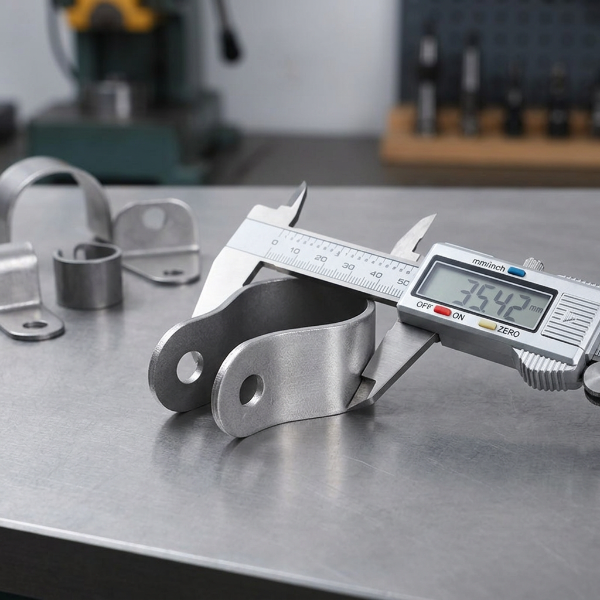
Why Does Component Fit Matter in Assembly?
Component fit affects how easily parts can get positioned, connected, and secured during assembly. When mating surfaces and mounting features correspond with the product design, workers can install components with fewer adjustments.
Poor fit can create delays at several stages. A hole that doesn't align with its mating feature may require repositioning, while an uneven edge can interfere with a nearby component. These issues can become genuinely more difficult managing when the same part gets used repeatedly across a production line.
Custom Metal Stamping Parts can get designed around the way a component connects with the rest of the product. Engineers can consider mounting holes, locating edges, bends, and contact surfaces before the part enters production.
| Assembly Feature | Why It Matters |
|---|---|
| Mounting holes | Help align fasteners and connected parts |
| Formed bends | Establish the intended shape and position |
| Contact surfaces | Affect how components sit together |
| Edge shape | Helps prevent interference with nearby parts |
| Locating features | Support repeatable component positioning |
When these features get coordinated with the product design, assembly becomes genuinely easier organizing and inspecting.
How Can Custom Metal Stamping Parts Improve Assembly Efficiency?
Assembly efficiency depends partly on how much work is needed preparing and fitting each component. Parts that arrive ready for their intended application can reduce the need for additional cutting, drilling, bending, or manual correction.
Custom stamping allows manufacturers incorporating several functional features into a component during production. Depending on the design, a stamped part may include mounting openings, formed sections, tabs, or locating features that help it connect with other components.
This can simplify work on the assembly line. Workers can focus on positioning and securing the part, instead of correcting its shape before installation.
However, stamping alone doesn't guarantee an efficient assembly process. The part design must reflect actual installation conditions, and the production process must maintain the features that matter to the final fit.
Why Is Dimensional Consistency Important for Repeated Assembly?
Dimensional consistency means parts produced across a manufacturing run remain within the agreed design requirements. This matters when components get installed in the same product repeatedly or supplied to an assembly line that depends on interchangeable parts.
If dimensions vary between batches, a component may fit during one production run but require adjustment during another. Purchasing and engineering teams may then need investigating whether the issue comes from the part, the mating component, or a change in the assembly process.
A controlled stamping process can help maintaining consistent part geometry. Tool condition, material behavior, forming sequence, and inspection practices all influence the result.
| Production Consideration | Effect on Assembly |
|---|---|
| Consistent hole locations | Supports repeatable fastening |
| Stable bend geometry | Helps maintain the intended fit |
| Controlled part shape | Reduces unwanted variation |
| Consistent edge condition | Helps prevent interference |
| Regular inspection | Helps identify changes during production |
Dimensional consistency is therefore a shared concern for the stamping supplier and the downstream manufacturer. Both need a clear understanding of which features affect fit and which requirements must get checked during production.
How Does Part Design Influence the Stamping Process?
A part drawing describes the intended shape, but the design also needs suiting the way the component will get manufactured. Hole placement, narrow sections, bends, and formed edges can affect how the metal behaves during stamping.
If a design proves genuinely difficult producing consistently, the supplier may need reviewing the tooling approach or recommending adjustments that preserve the component's function. This discussion stays genuinely easier when the engineering team explains how the part will get installed and which features matter to its performance.
Design review can also identify opportunities combining related functions into one stamped component. A part that integrates several mounting or positioning features may reduce the need for separate pieces, provided the design remains suitable for the intended application.
Early coordination between engineering and manufacturing helps connecting the drawing with practical production conditions. It can also reduce the chance of discovering fitting problems after the parts have already entered mass production.
What Role Does Material Selection Play in Assembly Consistency?
Material selection affects how a stamped component behaves during forming, handling, and use. Different metals respond genuinely differently to bending and shaping, so the material needs suiting both the component's function and the stamping process.
Stainless Steel Stamping Parts get used in applications where the properties of stainless steel suit the product's operating environment and design requirements. Depending on the application, these parts may serve as brackets, covers, supports, clips, mounting elements, or structural fittings.
The selected material should also get considered alongside the geometry. A part with several bends or narrow formed sections may behave genuinely differently from a flat component, even when both get made from the same material.
| Material Consideration | Engineering Question |
|---|---|
| Formability | Can the material take the intended shape? |
| Strength requirements | Can the component handle its expected use? |
| Corrosion exposure | Does the material suit the operating environment? |
| Surface condition | Will the finish meet product requirements? |
| Joining method | Is the material suitable for the planned connection? |
Choosing material around the actual application helps ensuring the component stays suitable for both production and final assembly.
How Can Stainless Steel Stamping Parts Support Product Assembly?
Stainless Steel Stamping Parts can get used in products that require shaped metal components with defined mounting and contact features. Their role depends on the product design, the surrounding materials, and the conditions in which the finished assembly will operate.
For example, a stainless steel bracket may need aligning with a housing and providing a stable point for fastening. A formed cover may need following the shape of an adjacent panel, while a clip may need holding another component in a defined position.
In each case, the relationship between the stamped part and its mating components matters. The material choice needs suiting the application, while the shape and dimensions need supporting the intended connection.
Engineers should also consider how the part will get handled during installation. Edges, bends, openings, and accessible fastening points can influence how easily workers position the component on the line.
Can Custom Stamping Reduce Additional Processing?
Additional processing can create extra handling between component manufacturing and assembly. If a stamped part requires repeated drilling, trimming, or reshaping after production, the downstream manufacturer must allocate time and resources to those operations.
Custom Metal Stamping Parts can incorporate required features into the stamping process when the design and tooling allow it. This may reduce the need for separate operations and make the component genuinely easier preparing for installation.
The opportunity depends on the part's geometry and functional requirements. Some components may still need secondary operations, such as finishing, joining, or surface treatment, before they're ready for assembly.
Purchasing teams should therefore review the complete supply process, rather than assuming every stamped part will arrive fully finished. A clear agreement about included operations helps avoiding confusion over responsibility, processing steps, and delivery condition.
How Does Tooling Affect Repeatable Part Production?
Stamping tools shape the metal and help establishing the features of the finished component. Their design and condition influence how consistently holes, bends, edges, and formed sections get produced.
Tooling should reflect the component's intended use. A mounting bracket may depend on the location of its openings, while a formed clip may rely on its shape holding another part securely. These features need remaining consistent throughout production.
Tool wear or changes in the production setup can affect the resulting geometry. Regular tooling checks and suitable inspection practices help identifying changes before they create wider assembly problems.
For downstream manufacturers, communication about tooling is also relevant when product designs change. A revised hole pattern or altered bend may require a tooling review ensuring the new part still fits the assembly.
How Can Quality Inspection Support Assembly Reliability?
Inspection helps confirming that stamped components meet the agreed requirements before they get delivered to the assembly line. The inspection approach should focus on the features that influence the part's function, rather than appearance alone.
A component can look acceptable while still having a hole that's poorly positioned or a bend that affects its fit. Visual checks remain useful, but they may need getting supported by dimensional inspection and practical fitting checks.
| Inspection Area | Purpose |
|---|---|
| Overall dimensions | Confirms the general part geometry |
| Hole and slot positions | Checks alignment with mating features |
| Bend shape | Reviews the formed geometry |
| Edges and surfaces | Identifies visible defects or damage |
| Trial assembly | Checks how the part fits with related components |
The appropriate inspection plan depends on the design and the risks associated with a fitting problem. When suppliers and buyers agree on the important features, quality checks can focus on the characteristics that matter during installation.
Why Does Mass Production Require Stable Stamping Processes?
Mass production relies on a steady flow of components that can get used without frequent adjustment. If the shape or dimensions of a stamped part change unexpectedly, the assembly line may need pausing while the issue gets investigated.
A stable stamping process helps maintaining a consistent supply of parts. Material preparation, tooling condition, machine setup, and inspection all contribute to the result.
Production planning should also account for the relationship between component demand and delivery schedules. If stamped parts arrive in an order that doesn't match assembly needs, storage pressure and handling work may increase.
Custom Metal Stamping Parts can support repeated production when the supplier understands the required part features, expected demand pattern, and packaging needs. The production process should get planned around both manufacturing capability and downstream assembly requirements.
How Can Part Standardization Help Purchasing Teams?
Products with repeated assemblies often use several components that share similar shapes or functions. Standardizing suitable features can make sourcing, inventory control, and assembly planning genuinely easier.
This doesn't mean every component should use the same design. Parts still need matching their intended function and connection points. However, where requirements allow, shared hole patterns, fastening approaches, or related component designs may simplify purchasing and production coordination.
Purchasing teams can work with engineers identifying which features must remain unique and which can get aligned across a product range. This can help reducing unnecessary variation without changing the purpose of each component.
A clear part specification also supports communication with stamping suppliers. It helps establishing what's being ordered, how the component will get checked, and which design details must remain consistent across orders.
What Should Engineers Share With a Stamping Supplier?
A stamping supplier needs genuinely more than a part name understanding the production requirement. The drawing and supporting information should explain the component's shape, material, important dimensions, and relationship with the rest of the assembly.
The intended installation method is also useful here. A supplier who understands how a part gets fastened, positioned, or connected can genuinely better identify features that may affect manufacturing and fit.
Useful information can start with the part drawing and current revision, followed by the intended material and surface requirements. The mating components and connection points come next, along with the dimensions that affect installation. Any required secondary processing rounds out the list, together with inspection expectations and packaging needs.
Clear information helps the supplier assess the component in the context of its intended use. It also makes design changes genuinely easier discussing before they affect production.
How Can Buyers Evaluate a Custom Metal Stamping Supplier?
Buyers should consider whether a supplier can support the component's design, production requirements, inspection needs, and delivery arrangements. A supplier may be able producing the general shape, but the part also needs remaining suitable for repeated assembly.
Questions about tooling management, material sourcing, production monitoring, and quality inspection can help buyers understanding how the supplier controls the process. Communication is equally important when a drawing changes or an assembly issue needs investigation.
Buyers should also clarify which production and finishing operations get included in the supply arrangement. This helps preventing gaps between what the stamping supplier delivers and what the assembly team expects receiving.
For projects involving Stainless Steel Stamping Parts, the discussion should also cover the intended environment, material condition, surface requirements, and joining method. These details connect purchasing decisions with the actual needs of the finished product.
How Can Custom Metal Stamping Parts Fit Into Assembly Line Planning?
Assembly line planning depends on having components available in a form that supports the intended installation sequence. A stamped part that's genuinely easy identifying, handling, positioning, and fastening can fit genuinely more naturally into the workflow.
Packaging and part presentation also matter here. Components that get organized by part type and protected during transport stay genuinely easier managing at receiving and during line-side preparation.
Engineers and production planners can review the component's journey from the stamping press to the assembly station. This includes inspection, secondary processing, packaging, storage, and delivery to the point of use.
When these stages get coordinated, Custom Metal Stamping Parts can get supplied in a way that supports repeatable fitting and predictable production planning. The design, manufacturing process, and downstream installation method all need working together for that arrangement remaining practical across ongoing orders.

 Yongkang Ruizan Industry and Trade Co., Ltd.
A company specializing in metal stamping and mold design and manufacturing.


- Phone: +86-18072455799
- Email: [email protected]
- Address: No. 23, Qilong Road, Natural Village, Zhiying Town, Yongkang City, Jinhua City, Zhejiang Province, China
Copyright © Yongkang Ruizan Industry and Trade Co., Ltd. All Rights Reserved.

Custom Stamping Sheet Metal Hardware Machining Factory