

 English
 русский
 Español
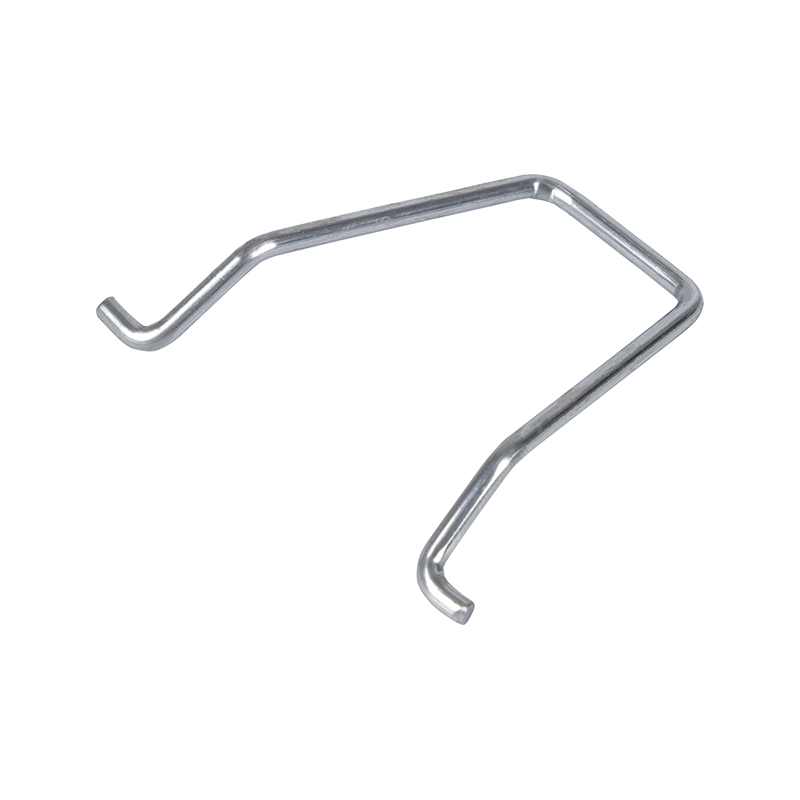
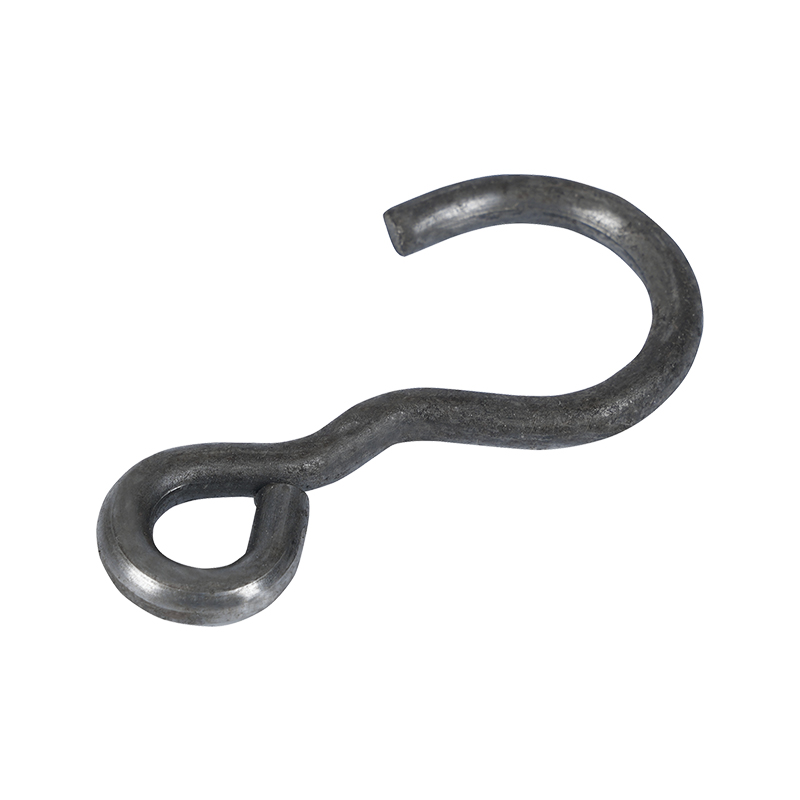
How Do You Maintain Iron Pipe Hooks to Prevent Rust Over Time
Rust is often something that starts quietly on iron pipe hooks. A small brown mark may appear around a bend, near a mounting point, or along a scratched section of the surface. At first, the change may seem minor. Moisture can remain in a narrow gap or under a layer of dirt, though, giving corrosion a chance to spread gradually.
Hooks used around pipes can face a range of conditions. Some stay indoors where humidity and condensation are the main concerns, while others are exposed to rain, dust, or damp air. Storage conditions matter as well. A hook kept in a closed, humid space may develop surface rust even without direct contact with water.
Routine care is fairly simple. Keeping metal surfaces clean, drying them after contact with water, and checking worn areas from time to time can help prevent minor corrosion from turning into a larger maintenance issue. Material selection can also affect how different components behave in a damp environment. In suitable applications, CNC Stainless Steel Parts may be used for selected fittings or connections where resistance to moisture is needed.
Why Do Iron Pipe Hooks Develop Rust Over Time
Iron reacts with moisture and oxygen at its exposed surface, gradually producing rust. Water can come from obvious sources such as rain or splashes, although condensation is often less noticeable. Temperature changes can leave a thin layer of moisture on a cool metal surface, particularly in rooms with poor airflow.
Dirt creates another problem. Dust settling on a hook can trap moisture against the metal. Grease, residue from nearby work, or other deposits may hold dirt in place and make the surface harder to inspect. Once moisture stays in contact with exposed iron for a while, corrosion becomes easier to notice.
Scratches and damaged coatings also deserve attention. A protective layer can separate the iron surface from the surrounding environment, while a deep scratch leaves a small exposed area. Repeated contact during installation, movement of pipes, or careless storage can create similar damage.
Shape plays a role too. A hook normally has bends, corners, mounting holes, or contact areas. Water can collect around such positions instead of running away quickly. Looking only at the broad outer surface may therefore miss early signs of corrosion.
Which Conditions Make Rust Develop Faster
Not every installation creates the same rust risk. A dry indoor storage area usually places less moisture stress on iron than an outdoor location exposed to changing weather. Even indoors, though, nearby water sources and limited ventilation can create local damp spots.
Several conditions deserve regular attention:
- High humidity: Moist air can leave condensation on cooler metal surfaces.
- Water exposure: Rain, splashing, leaks, or cleaning water can leave the hook wet.
- Dust accumulation: Dirt may retain moisture and hide small rust marks.
- Damaged surface protection: Scratches and chipped areas expose the underlying iron.
- Poor airflow: Moisture takes longer to disappear from enclosed or crowded spaces.
- Contact areas: Water can remain around mounting points and tight connections.
Installation location can sometimes be adjusted to reduce unnecessary exposure. A hook positioned beneath a leaking pipe, beside a drain, or close to a place where condensation repeatedly forms will need closer attention than one kept in a dry area.
Contact with other metal components should also be considered. Moisture sitting between different materials can create additional corrosion concerns. A suitable barrier, spacing arrangement, or carefully selected component can help limit unwanted contact in places where moisture is difficult to avoid.
How Should Iron Pipe Hooks Be Cleaned
Cleaning does not need to be complicated. Loose dust can usually be removed with a soft cloth or brush before a damp cleaning method is used. Mild soap and clean water can help with ordinary dirt and residue, provided the surface is dried afterward.
Rough handling during cleaning can cause a problem of its own. Hard scraping may leave scratches, while unsuitable cleaning products can affect an existing protective surface. Once protection is damaged, exposed iron has a greater chance of developing rust.
A practical cleaning routine can be kept simple:
- Brush away loose dust and particles.
- Wipe the surface gently with a suitable cleaning solution.
- Pay attention to bends, holes, joints, and contact points.
- Remove remaining moisture with a clean, dry cloth.
- Allow hard‑to‑reach areas to dry before storage or continued use.
Drying should not be treated as an optional final step. Water hidden around a mounting hole or underneath a contact point may remain long after the outside of the hook looks dry. Good airflow can help moisture leave narrow areas, especially when several metal parts are stored together.
Cleaning frequency can also depend on the working environment. A hook exposed to dust and moisture may need attention more often than one kept in a clean, dry room. Rather than following the same schedule everywhere, observing the actual surface condition gives a more useful indication of when cleaning is needed.
How Can Small Rust Spots Be Handled Early
Small rust marks are easier to assess after dirt and loose residue have been removed. Gentle cleaning can reveal whether corrosion is limited to the surface or has started affecting the metal underneath.
Loose rust can be removed carefully with a suitable tool that does not unnecessarily damage the surrounding surface. Heavy scraping should be avoided, especially where a protective coating remains intact. Creating new scratches around a small rust spot can make later maintenance harder.
After cleaning, the affected area should be left dry before any protective treatment is applied. A coating suitable for the existing surface can help cover exposed metal and reduce further contact with moisture.
A small rust mark does not automatically mean that a hook must be discarded. The condition of the metal matters more than the color of the surface alone. Deep pits, noticeable thinning, cracks, bending, or other structural changes require a different response because surface cleaning cannot restore metal that has already deteriorated.
Regular inspection makes that distinction easier. Looking closely at mounting areas, bends, edges, and scratched sections can reveal changes that may not be obvious during ordinary use.
How Do Protective Coatings Help Reduce Corrosion
A protective coating gives an iron surface an extra barrier against moisture and air. Paint, plating, or another suitable treatment can help keep exposed metal from coming into direct contact with the surrounding environment. Once a coating begins to peel, crack, or wear away, however, the uncovered area needs closer attention.
Damage does not always happen during normal use. Installation tools can scratch a surface, pipes can move against a hook, and parts stored together can rub against one another. Even a small damaged patch can become a place where rust starts.
During inspection, look for:
- Peeling or cracked surface treatment
- Scratches around mounting areas
- Exposed metal near bends and edges
- Discoloration that continues to spread
- Loose coating around an existing rust spot
Repair should follow the type of surface treatment already used on the hook. Applying an unsuitable coating over dirt, loose rust, or moisture can leave the problem underneath the new layer. Cleaning and drying the area beforehand gives the repair a cleaner surface to work with.
A coating also should not be viewed as a replacement for routine care. Dirt, moisture, and mechanical wear can still affect a protected surface, so occasional inspection remains useful.
How Does Proper Storage Reduce Rust Risk
Storage conditions can quietly influence the condition of iron pipe hooks. A component may leave production in good condition and later develop rust simply because it spends a long period in a damp corner, near a wet floor, or inside packaging that allows moisture to remain around the metal.
Keeping hooks in a dry, reasonably ventilated space can reduce unnecessary moisture exposure. Direct contact with damp floors should be avoided, while crowded storage arrangements can be loosened when airflow is poor.
When hooks have been washed or exposed to water, they should be completely dry before being put away. Placing damp metal into a closed container can hold moisture close to the surface for a long time.
Storage checks can be kept fairly simple:
- Keep metal parts away from standing water.
- Avoid placing hooks directly on damp surfaces.
- Leave enough space for air to move around stored parts.
- Check for rust before installation.
- Separate wet or contaminated components from clean stock.
Packaging also deserves a little attention. When moisture becomes trapped inside a package, corrosion may develop without being noticed. A quick surface check during handling can prevent a small issue from remaining hidden for an extended period.
What Should Be Checked During Routine Inspection
A useful inspection does not need to take a long time. The purpose is to notice changes while they are still easy to deal with. Surface color, coating condition, shape, and mounting areas can all provide clues about the condition of an iron pipe hook.
Start with the areas that are more likely to collect moisture. Bends, holes, contact points, and narrow gaps deserve a closer look than broad open surfaces.
A basic inspection can consider four areas:
- Surface condition Look for brown spots, loose rust, stains, scratches, and changes in the protective layer.
- Physical condition Check for bending, cracking, unusual wear, or deformation that could affect how the hook fits around a pipe.
- Mounting areas Inspect holes, fasteners, joints, and contact points where movement or trapped moisture may occur.
- Surrounding environment Look for leaks, condensation, dust, poor airflow, or other conditions that may be contributing to corrosion.
Keeping a simple maintenance record can also help reveal patterns. When the same area repeatedly develops rust, the problem may not be the hook alone. A nearby leak, condensation source, or storage condition could be responsible.
When Should Iron Pipe Hooks Be Replaced
Light surface rust and serious corrosion are not the same problem. A small amount of loose rust may be removed and treated, while deep corrosion can change the condition of the metal itself.
Replacement deserves consideration when inspection shows:
- Deep corrosion that has removed noticeable metal
- Cracks or breaks
- Significant thinning
- Permanent bending or deformation
- Damage around a mounting point
- A surface condition that cannot be restored through normal cleaning and repair
Appearance alone does not provide enough information. A dark or rough surface may simply need cleaning, while a small damaged area can sometimes hide deeper deterioration. Checking the actual condition of the metal gives a clearer basis for a maintenance decision.
Continuing to use a badly corroded hook simply because the rust has been cleaned away can create another problem. Removing rust changes the appearance of a surface, yet it does not put lost material back. Once corrosion has affected the physical condition of a component, replacement may be more appropriate than repeated surface treatment.
Where Can CNC Stainless Steel Parts Fit Into Corrosion Control
Material choice becomes relevant when an installation contains areas that are repeatedly exposed to moisture. Iron pipe hooks may be suitable for a particular application, while selected connection or support components can use corrosion‑resistant materials where environmental conditions call for them.
CNC Stainless Steel Parts can be considered for fittings, connectors, brackets, or other small components that require controlled dimensions and a material suited to damp surroundings. Using a different material does not remove the need for proper maintenance, though. Each part still needs to match the surrounding application.
When different metals are placed together, moisture around the contact area deserves attention. Suitable spacing, isolation, or material selection may help reduce unwanted corrosion behavior. The choice should take account of the working environment, contact arrangement, cleaning conditions, and expected handling.
A mixed‑material assembly therefore benefits from looking at the entire connection rather than focusing on one component. An iron hook can remain in good condition while a nearby connection begins to deteriorate, or corrosion can start where two parts meet and moisture remains trapped.
How Can Maintenance Practices Be Made More Consistent
Rust prevention tends to work better as an ordinary maintenance habit rather than an occasional repair job. A simple routine can cover cleaning, drying, inspection, and surface care without making daily work unnecessarily complicated.
For regularly used hooks, maintenance staff can pay attention to changes noticed during normal handling. A new scratch, a small rust mark, or moisture around a mounting point can be recorded and checked later.
A practical routine may include:
- Cleaning visible dirt and residue.
- Drying metal after water exposure.
- Checking damaged coatings.
- Inspecting bends and mounting areas.
- Removing small rust spots before they spread.
- Checking stored parts before installation.
- Reviewing nearby moisture sources when corrosion keeps returning.
Frequency can be adjusted according to the surroundings. A dry indoor area may require less attention, while damp storage or outdoor use can call for closer inspection.
What Common Maintenance Mistakes Can Increase Rust Risk
Some maintenance problems come from simple habits rather than difficult technical issues. Leaving a wet hook in a closed storage area, for example, gives moisture more time to remain against the metal.
Another common mistake is using a rough tool to remove a small rust spot. Aggressive scraping can damage an otherwise intact coating and leave a larger exposed area. Strong cleaning products can create similar concerns when they are not suitable for the existing surface.
Ignoring repeated corrosion is another warning sign. When rust keeps appearing in the same location after cleaning, there may be a moisture source nearby. Checking the surrounding pipe, mounting position, airflow, and storage conditions can reveal what cleaning alone cannot address.
Proper maintenance therefore involves more than removing visible rust. Keeping moisture away, protecting damaged areas, storing components correctly, and checking physical condition all contribute to longer service use.
How Does Long Term Care Affect Hook Condition
Care over time is closely connected with the environment in which an iron pipe hook operates. A hook kept clean and dry has fewer opportunities for moisture to remain on its surface, while one exposed to repeated damp conditions can require closer attention.
Material choice also forms part of the maintenance picture. Iron components, protective coatings, stainless steel parts, fasteners, and surrounding pipes can interact within the same installation. Considering each part separately may overlook problems created at their points of contact.
For iron pipe hooks, practical maintenance comes down to observing the surface, controlling moisture, dealing with small signs of rust early, and checking whether physical damage has changed the condition of the component. Simple habits can make routine care easier and help distinguish a surface problem from corrosion that has already affected the metal itself.

 Yongkang Ruizan Industry and Trade Co., Ltd.
A company specializing in metal stamping and mold design and manufacturing.


- Phone: +86-18072455799
- Email: [email protected]
- Address: No. 23, Qilong Road, Natural Village, Zhiying Town, Yongkang City, Jinhua City, Zhejiang Province, China
Copyright © Yongkang Ruizan Industry and Trade Co., Ltd. All Rights Reserved.

Custom Stamping Sheet Metal Hardware Machining Factory