

 English
 русский
 Español
How to Choose Stainless Steel Stamping Parts for Manufacturing
Manufacturing often depends on small components that do their job quietly inside a larger product. A bracket, cover, support piece, or connection part may not draw attention on its own, though the whole assembly can feel the effect when one component does not fit well.
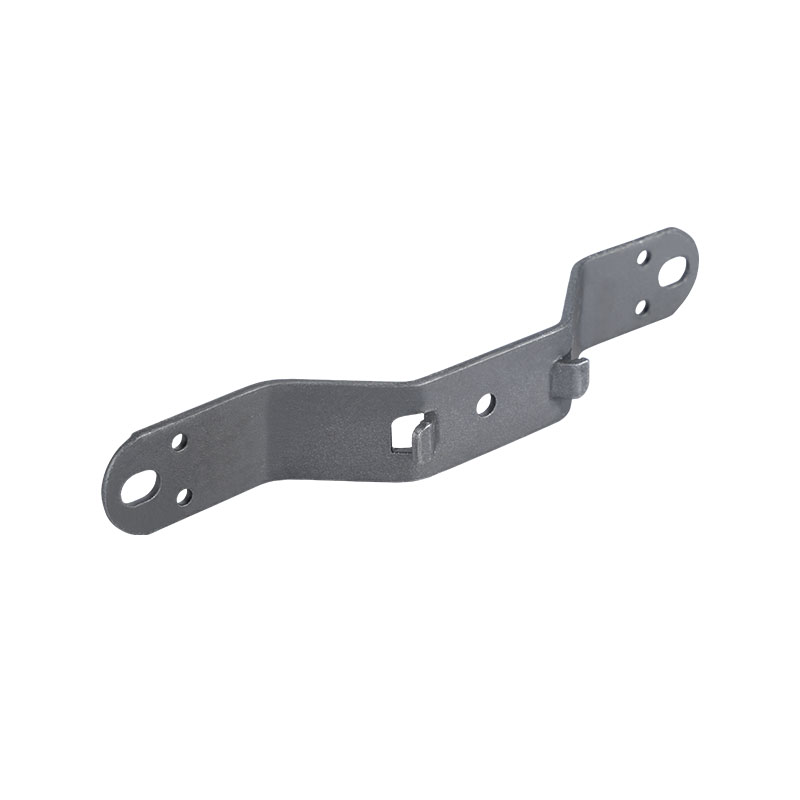
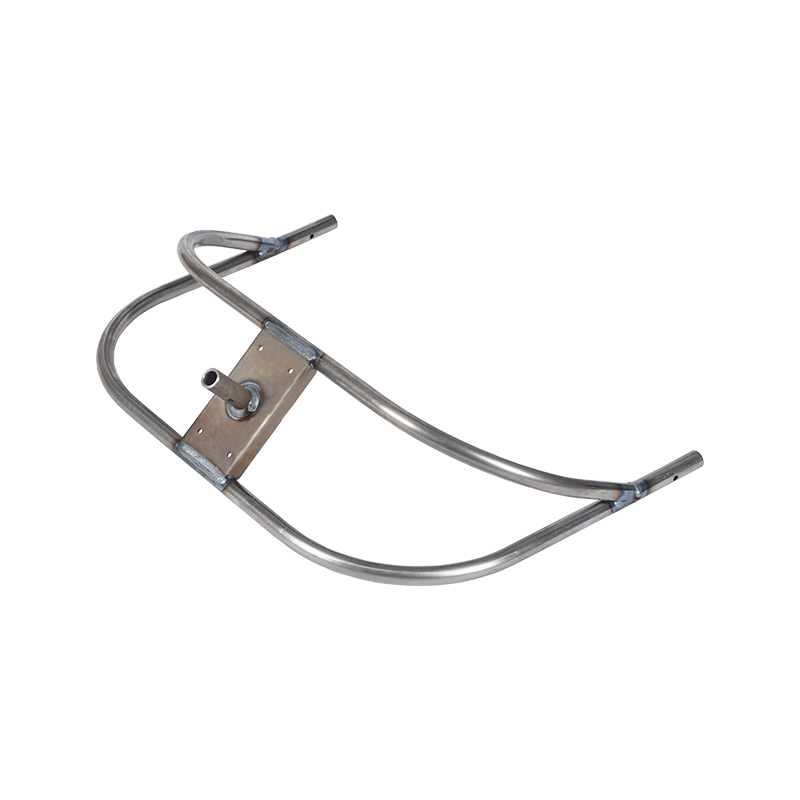
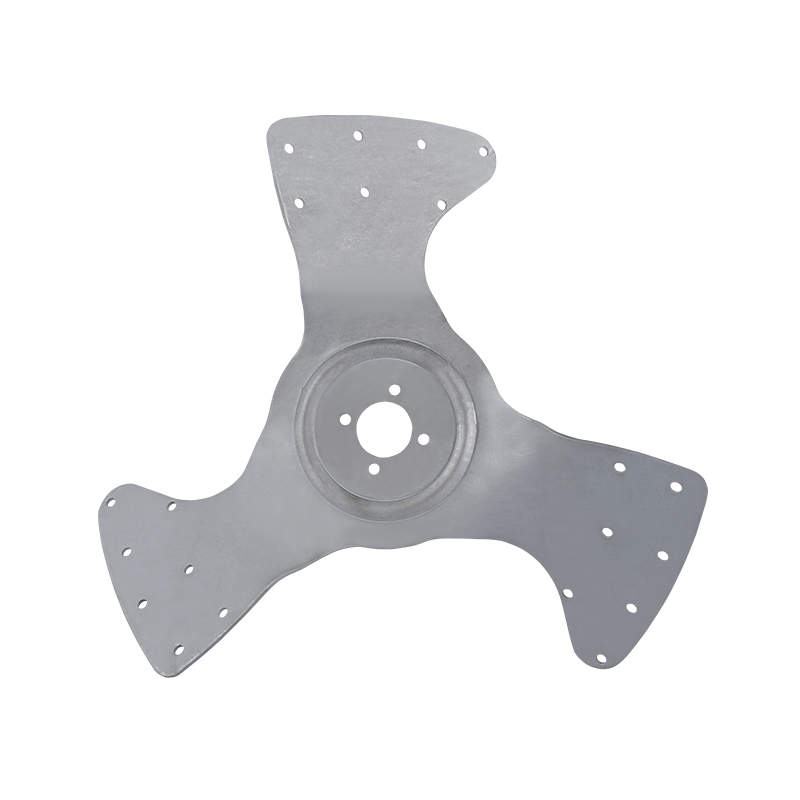
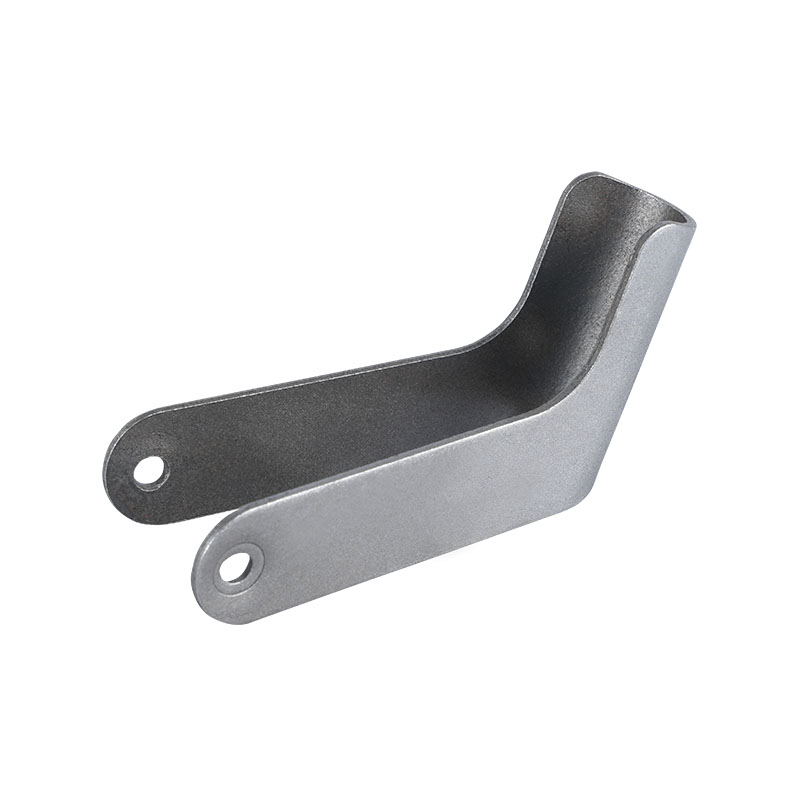
Stainless Steel Stamping Parts are used in many production settings because they can be formed into different shapes according to real working needs. A stamped part may look simple from the outside, while its shape, thickness, and material behavior still need careful planning before production starts.
Selection is rarely about appearance alone. A part used inside a machine may need stable support, while a visible component may also need a clean surface and consistent shape. A piece that works in a dry indoor system may not suit a damp or changing environment without adjustment.
Practical selection usually involves several questions:
- Where will the part be used?
- What kind of force will it carry?
- How will it connect with other components?
- Does the surface need extra care?
- Will the part face moisture, heat, or repeated movement?
Each answer affects material choice and production planning. A small difference in design can change how the finished part behaves later in assembly or daily use.
What Are Stainless Steel Stamping Parts Used For In Manufacturing
Stamped stainless steel parts are formed from flat sheets through a shaping process that turns raw metal into useful components. In many factories, the process is chosen because it can produce parts with repeatable shape and practical consistency.
Application areas are wide. Some parts sit inside equipment as supports or connection pieces. Others appear in protective covers, structural sections, or hardware assemblies. In each case, the part has to match the function of the product rather than simply fill space.
Common uses include:
- equipment supports
- protective covers
- internal connection pieces
- hardware structures
- product assembly parts
Industrial equipment often needs parts that can stay stable during long periods of operation. A stamped component may help hold another section in place or support movement within the equipment.
Electronic products may use smaller metal pieces for internal fixing or support. Household items can also include stamped components where strength and shape consistency matter.
The reason stainless steel appears in so many applications is connected to material behavior. Surface condition, structural ability, and environmental response all play a part in how the finished part performs.
Why Does Material Selection Affect Stainless Steel Stamping Parts
Material choice has a direct effect on how a stamped part is produced and how it works later. Stainless steel is often selected because its characteristics suit different kinds of working conditions, though not every stainless steel material behaves in the same way.
Some parts need stronger resistance to moisture or changing environments. Others may focus more on surface condition, forming response, or load support. Matching material to application helps keep later problems from showing up in production or installation.
Several points often guide material choice:
- corrosion resistance
- strength requirement
- surface condition
- forming behavior
- working environment
Corrosion resistance matters when parts are used in places where moisture or cleaning exposure may occur. Strength becomes important for parts that support other components or receive repeated stress.
Surface condition may also matter. A visible part may need a cleaner appearance, while a hidden component may focus more on function than appearance.
Forming behavior is another part of the decision. Some materials respond differently during bending, shaping, or repeated stamping. If the material does not fit the process, production may become harder than planned.
A good material choice connects with actual use conditions. The part needs to work in the environment where it will be installed, not only meet a drawing on paper.
What Design Factors Should Be Considered Before Production
Part design plays a large role in whether stamping can move smoothly through production. A part that is easy to draw may still create issues if its shape does not match the forming process.
Shape is one of the earliest points to consider. Narrow areas, complex bends, and sudden changes in form can affect how the metal moves during stamping. A design that fits the process usually helps reduce unnecessary adjustment later.
Thickness also matters. Thin material may suit lighter structures, while thicker sections may be better for parts that need more support. The right choice depends on what the part is expected to do after assembly.
Bending areas and connection points deserve extra attention. Sharp edges or difficult transitions may create forming stress, while more gradual shapes can help the part keep its form more steadily.
| Design Factor | Manufacturing Consideration |
|---|---|
| Part Shape | Affects forming flow and processing method |
| Material Thickness | Influences strength and stamping stability |
| Bending Structure | Changes shaping difficulty |
| Assembly Method | Determines connection details |
A stamped part usually serves another component, so design should match the full assembly rather than stand alone. Holes, edges, and joint areas need to fit the final use condition, not just the production drawing.
How Do Manufacturing Conditions Influence Part Quality
Part quality depends on more than material and design. Tool condition, production control, and inspection work all influence the final result.
Stamping tools experience repeated use, so their condition can affect surface marks, shape accuracy, and consistency between parts. If the tool condition changes, the finished part may show small differences from one batch to another.
Processing control is also important. Stable handling during forming helps keep results closer to the intended shape. Changes in speed, pressure, or alignment can leave visible effects on the finished component.
Surface protection matters during and after production. Stainless steel still needs careful handling to avoid scratches or contamination that may affect later assembly.
Inspection is part of the same picture. Checking dimensions, edges, and surface condition helps identify changes before parts move farther into manufacturing.
Production quality is shaped by several connected steps:
- tool condition
- forming control
- surface handling
- inspection practice
Each step affects the next one. A part that looks acceptable after stamping still needs to pass through handling and assembly before it becomes part of a finished product.
Which Industries Commonly Use Stainless Steel Stamping Parts
Stamped stainless steel parts show up in many kinds of manufacturing, although their role often depends on the product around them. Some pieces hold sections together, some support movement, and some protect internal structures from outside contact. Since many products rely on small metal components, stamped parts usually sit inside larger systems without drawing much attention.
Industrial equipment uses these parts in places where structure and connection matter. A bracket, support piece, or cover may not look complicated, though its shape still needs to fit the surrounding assembly. When the part matches the structure well, later installation tends to be easier.
Electronic products often call for small, precise metal components. Space inside electronic equipment can be limited, so shapes need to stay compact while still performing their role. A stamped part used in electronics may need careful edge handling and consistent forming so it can sit properly inside the product.
Automotive-related manufacturing also uses stamped metal pieces in different assemblies. Some parts help with support, some with protection, and others with connection. Since vehicle-related products often face repeated movement and changing conditions, material and shape both matter during selection.
Household products can also include stamped stainless steel components. Handles, supports, and functional metal sections often need a balance between appearance and practical use. A component that is hidden from view may focus on function, while a visible piece may also need a cleaner surface condition.
Different industries usually focus on different priorities:
- industrial equipment needs stable structure
- electronics often need compact and accurate parts
- automotive applications may require repeated-use strength
- household products may consider both function and appearance
A part used in one field may not fit another without changes. Material choice, thickness, and forming details need to follow the actual application rather than a general idea of what the part should do.
How Can Buyers Evaluate Stainless Steel Stamping Parts Suppliers
Choosing a supplier is often tied to how smoothly a manufacturing project can move from design into production. A part may look simple on paper, although production conditions often reveal details that affect the final result.
Production experience matters because different part shapes create different processing needs. A supplier that handles many structures may already know where forming challenges tend to appear and how to discuss them before production begins.
Communication is another practical point. When drawings, material requests, or connection details are not discussed clearly, later changes may slow down the project. Good communication helps both sides work with the same understanding before production starts.
Quality control also deserves attention. Buyers often want to know how a supplier checks material condition, forming consistency, and finished part appearance. Those checks do not need to be complicated, although they should be steady and clear.
| Evaluation Area | Practical Consideration |
|---|---|
| Production Experience | Familiarity with different part structures |
| Communication Process | Clear discussion of design and requirements |
| Quality Control | Inspection during key production stages |
| Delivery Arrangement | Coordination with project timing |
Customization ability can also be useful. Not every project uses standard shapes, and some parts need changes in size, hole position, or bending style. A supplier that can adjust to different requirements may fit production needs more closely.
Supplier choice is usually less about presentation and more about practical cooperation. Clear records, stable communication, and a good understanding of the part function all help keep the project moving in the right direction.
What Maintenance And Usage Factors Affect Stamped Parts
A stamped stainless steel part may leave the factory in suitable condition, although its later performance still depends on how it is handled, assembled, and used. Small changes in the working environment can influence the surface and connection areas over time.
Moisture is one factor that often receives attention. Stainless steel is selected partly for its response to changing environments, though regular exposure to water or damp surroundings still deserves consideration. Cleaning routines and surrounding conditions can affect how the part looks and functions later.
Assembly condition matters as well. Even when a component is made correctly, poor installation may create extra stress around the connection area. A part that is fixed too tightly or placed in the wrong position may wear faster than expected.
Regular checks can help identify early changes. A loose joint, visible marks, or unusual surface changes may show that the component needs closer attention.
Useful care habits often include:
- keeping the surface clean
- checking connection points
- avoiding unnecessary force during assembly
- reviewing the installation area from time to time
Storage before installation also plays a role. Parts stored in a dusty or damp place may need extra care before entering assembly. Handling should stay consistent from production to installation because each stage affects the next one.
A part does not work alone. It connects with nearby structures, the surrounding environment, and the way the product is used day by day. Keeping those details in mind helps maintain the original purpose of the component.
Why Stainless Steel Stamping Parts Remain Important In Manufacturing
Manufacturing still depends on metal components that can be shaped to match different equipment and product needs. As production systems change, the need for practical, well-fitted parts remains part of daily industrial work.
Stamped stainless steel components stay useful because they can be designed for different roles. Some support assemblies, some provide protection, and some help with connection or movement. Their value often comes from how well they fit into a larger structure.
Selection usually comes down to a few connected choices:
- material that suits the environment
- shape that fits the assembly
- thickness that matches the function
- production method that supports consistent forming
A part selected at the design stage can influence later processing, installation, and use. When material and structure match the actual application, the component tends to fit more naturally into the final product.
For manufacturers, the part is not only a metal piece. It is one section of a larger production plan, connecting design needs with real operating conditions.
Stainless Steel Stamping Parts continue to appear in many manufacturing fields because they offer a practical way to create shaped components for real industrial use. Careful planning around material, design, supplier cooperation, and handling helps keep those parts suitable for the work they are meant to do.

 Yongkang Ruizan Industry and Trade Co., Ltd.
A company specializing in metal stamping and mold design and manufacturing.


- Phone: +86-18072455799
- Email: [email protected]
- Address: No. 23, Qilong Road, Natural Village, Zhiying Town, Yongkang City, Jinhua City, Zhejiang Province, China
Copyright © Yongkang Ruizan Industry and Trade Co., Ltd. All Rights Reserved.

Custom Stamping Sheet Metal Hardware Machining Factory